Is The Mezquita Free On Sundays?
No, the Mezquita-Catedral free slot runs Monday to Saturday mornings only. Here is exactly what Sunday costs, who still gets in free, and what else is free around the building.
In Short
No. The free visit at the Mezquita-Catedral runs Monday to Saturday, 8:30 to 9:30, with last entry at 9:20, and Sunday is not part of it. On a Sunday, general admission is EUR 15 per person. The only visitors who enter free on a Sunday are the specific categories the Cabildo exempts, such as people born or resident in the Diocese of Cordoba and children under 10. Everyone else either buys the EUR 15 ticket or comes back on a weekday morning.
This question sits inside the Mezquita-Catedral visitor guide.
Quick Facts
| Question | Answer |
|---|---|
| Is the Mezquita free on Sundays? | No. The free slot runs Monday to Saturday only |
| When is the free slot? | Monday to Saturday, 8:30 to 9:30, last entry 9:20 |
| Sunday ticket price | EUR 15 general admission |
| Who enters free any day | People born or resident in the Diocese of Cordoba, children under 10, Andalucia Junta 65 card holders, over 64% disability with companion, ICOMOS members |
| Paid extras | Bell tower EUR 4, night visit EUR 25, Fernandine route EUR 6 |
| Free all day nearby | Plaza del Triunfo, Puerta del Puente, the Roman Bridge and riverbank |
Is The Mezquita Free On Sundays?
No, the Mezquita-Catedral is not free on Sundays. The free early-morning visit runs Monday to Saturday only, from 8:30 to 9:30, with access stopping at 9:20, so that window simply does not exist on a Sunday. Instead, the standard general admission of EUR 15 applies unless you fall into one of the Cabildo's exempt categories, making Sunday the one day with no free hour to plan around.
That single fact catches a lot of visitors out, because the free early slot is widely talked about in Cordoba and its weekday-only condition travels less well than the word "free" does. The Cabildo, the cathedral chapter that runs the building, publishes the rule on its own ticket page: the free visit is Monday to Saturday, it lasts one hour, and it is for individual visitors only, with no groups admitted and none on days of extraordinary celebration. It is a 60-minute window, not an open-ended free visit of the building. When Sunday arrives, that window closes and the tariff takes over.
The EUR 15 general admission is the price the Cabildo itself publishes, and it is the figure to budget with for a Sunday visit. There is no Sunday discount, no late-afternoon free hour, and no residents' window that day beyond the permanent exemptions. Those exemptions matter, and they are the honest answer to "is it free on Sundays" for a small group of people: visitors born in the Diocese of Cordoba or resident in it, children under 10, holders of the Andalucia Junta 65 card, visitors with over 64% disability travelling with a companion, and ICOMOS members all enter free on any open day, Sunday included. For everyone else, UK and US visitors very much included, Sunday means the EUR 15 ticket or a change of plan. A free walk meets in this neighbourhood: English Heritage Free Tour, 1H30.
Why does the free hour skip Sunday? The Cabildo frames the early slot around the building's religious life: Sunday is the principal day of worship in what is a working cathedral, and the free visit exists in the quiet margin before normal visiting hours on ordinary days. The practical consequence for a traveller is straightforward. If your trip includes a Sunday in Cordoba and the Mezquita interior is the priority, the choice is between paying EUR 15 that day or shifting the interior visit to the Monday-to-Saturday free hour, which means being at the door at 8:30 in the morning, since access stops at 9:20 and the slot is over by 9:30.
There is a second, quieter consequence worth planning around. The free hour is a single 60-minute window, and because it is individual visitors only, no free walking tour group can take you through it. Groups are excluded from the slot by rule. So a Sunday visitor who pays EUR 15 can at least walk in with a timed ticket during normal hours, while a weekday free-hour visitor gets a shorter, self-guided, early visit. Neither option includes the paid extras: the bell tower at EUR 4, the night visit El Alma de Cordoba at EUR 25, and the Fernandine churches route at EUR 6 are all separate tickets under both regimes.
If the question behind your question is "how do I see the Mezquita for free at all", the answer is the weekday morning slot, covered in full in the exact free-entry hours at the Mezquita. The categories that never pay at all are listed in who gets in without paying. And if Sunday is fixed in your itinerary, the compensations are real: everything around the building, from Plaza del Triunfo to the Roman Bridge, is free public space all day, every day.
What Does The Free Part Include?
The free part is one 60-minute early visit of the Mezquita-Catedral interior, Monday to Saturday from 8:30 to 9:30, for individual visitors only. It includes no groups, no bell tower, no night visit and no Fernandine route, and it does not run on days of extraordinary celebration. Nothing about it applies on a Sunday. Understanding it as a short, self-guided window rather than a free ticket to the whole offering is what keeps expectations honest.
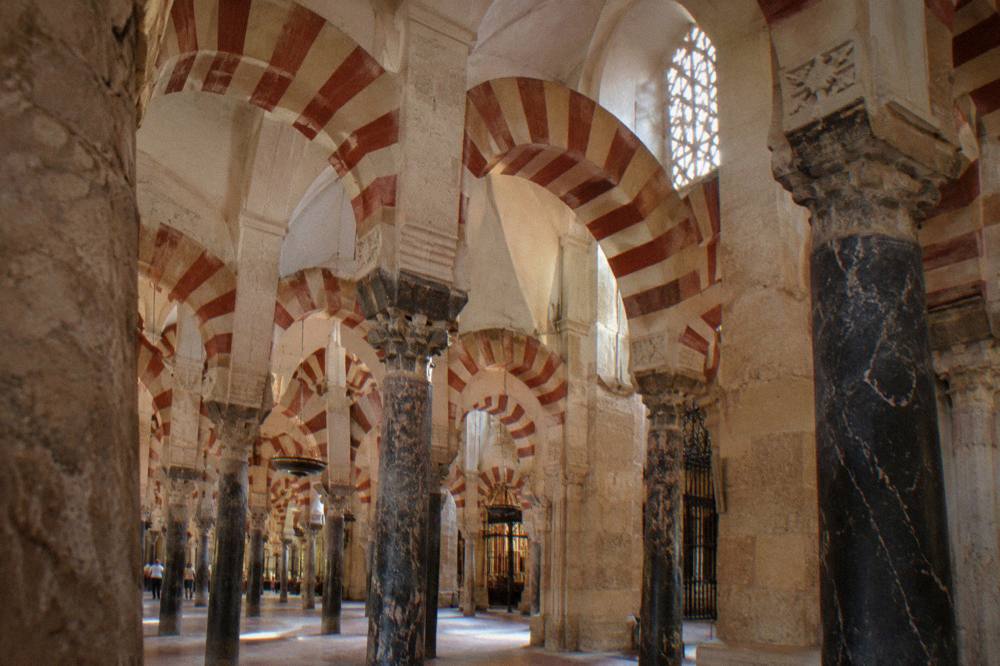
The Cabildo's own wording calls it a "free visit", and that phrase has caused more confusion than any other two words in Cordoba travel planning. A free visit, in this specific sense, means you may enter the building during that one morning hour without paying, as an individual. It does not mean the monument has a free day, a free afternoon, or a free Sunday. The hour is bounded at both ends: doors open for it at 8:30 and access stops at 9:20, giving you at most fifty minutes of interior time if you arrive at the cut-off, and the visit is understood to be over by 9:30, when the building transitions to its paid schedule.
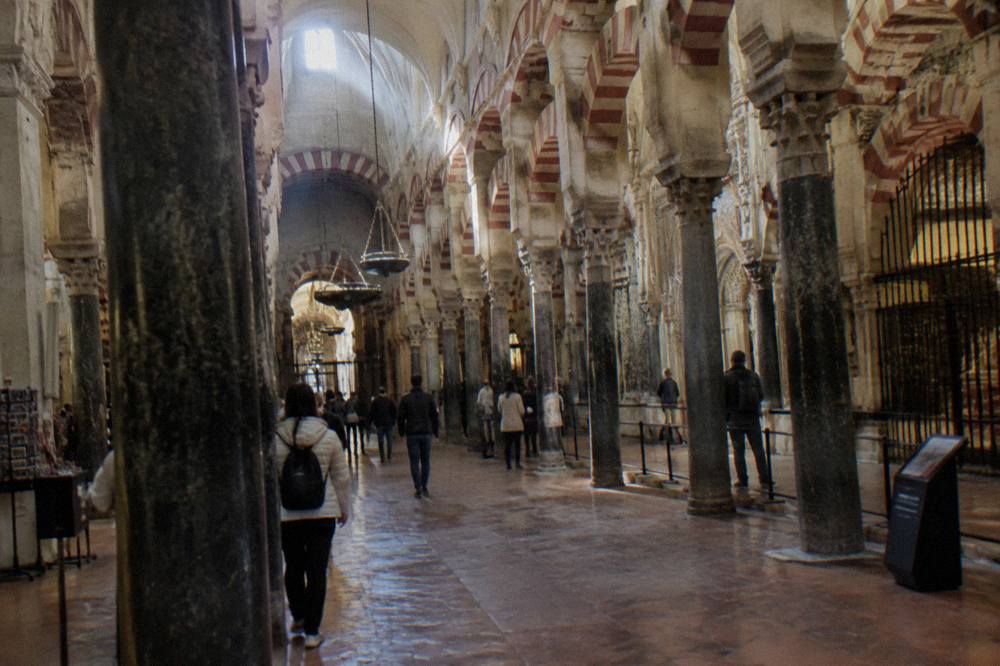
What you see inside during that hour is the same forest of columns and double arches that paying visitors walk through later in the day, and the visit is self-guided. There is no free guided service attached to the slot, and group guiding inside is excluded from it by the individual-visitors-only rule. Whether the Capilla Mayor and the Coro, the cathedral choir section, are open within the free hour is not something this site will claim either way, because the Cabildo's published pages do not settle it. The same honesty applies to the Patio de los Naranjos, the orange tree courtyard: whether it can be entered without a ticket is not stated on the Cabildo's ticket, rules or building pages, so no entry rule is printed here.
For a visitor structuring a day around the free hour, the practical shape is this. You arrive early, you queue as an individual, you get up to fifty minutes inside, and you are out before the paid visiting day begins. The sample hours the Cabildo publishes for a normal weekday show general visiting from 10:00 to 18:00 with last entry thirty minutes before closing, so there is a gap between the end of the free slot and the start of paid entry that you can spend on the surrounding free public space. The Cabildo also notes that hours can change for special events, so the schedule tool on its own site is the final word for your date.
A second change is coming that Sunday and weekday visitors alike should know about. From 1 January 2027, the Cabildo starts optional official guided visits, sold on its website and at the San Eulogio desk, at an increase over the normal ticket, with the price not yet published. From that same date, every guide accredited by the Junta de Andalucia may show the interior. None of that changes the free early slot as published, and none of it makes Sunday free, but it does mean the guided landscape around the building shifts during 2027.
What Do You Still Have To Pay For?
On any day, including inside the free slot, the paid parts are separate: the bell tower at EUR 4, the night visit El Alma de Cordoba at EUR 25, and the Fernandine churches route at EUR 6. On a Sunday you also pay the EUR 15 general admission unless you belong to one of the exempt categories. No free option, at any hour, covers the tower, the night visit or the route ticket.
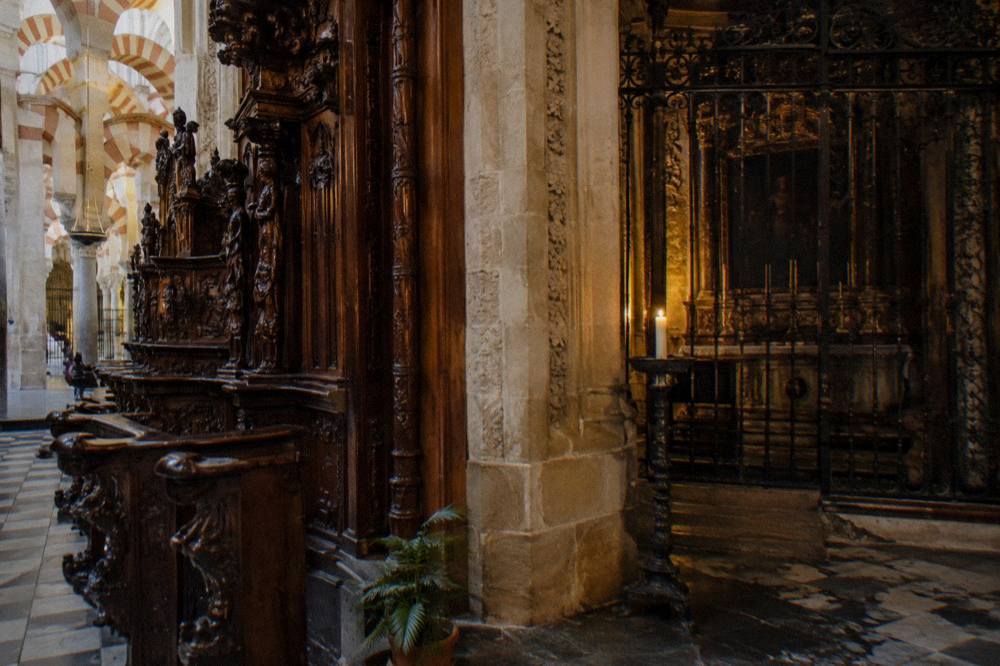
The bell tower, the former minaret that now carries the cathedral bells, is a EUR 4 ticket bought separately. A visitor using the weekday free hour does not get the tower with it; a Sunday visitor paying EUR 15 does not get it either. The tower is its own product with its own capacity, and the free slot covers none of it. The same structure applies to the night visit, El Alma de Cordoba, a 20:00 experience priced at EUR 25, which exists entirely outside both the free hour and general daytime admission. It is the most expensive single way into the building and it is never part of a free arrangement.
The Fernandine route ticket, at EUR 6, covers the group of medieval churches built after the Christian conquest of the city. It is a separate product from the Mezquita ticket, and this site publishes no individual entry rule for those churches, because none of them has been verified for walk-in visitors. The route ticket exists as a EUR 6 fact; the individual churches stay unnamed in terms of entry terms. The San Eulogio information and reception centre is another paid item on the Cabildo's list, and it is where the desk for the new 2027 guided visits sits.
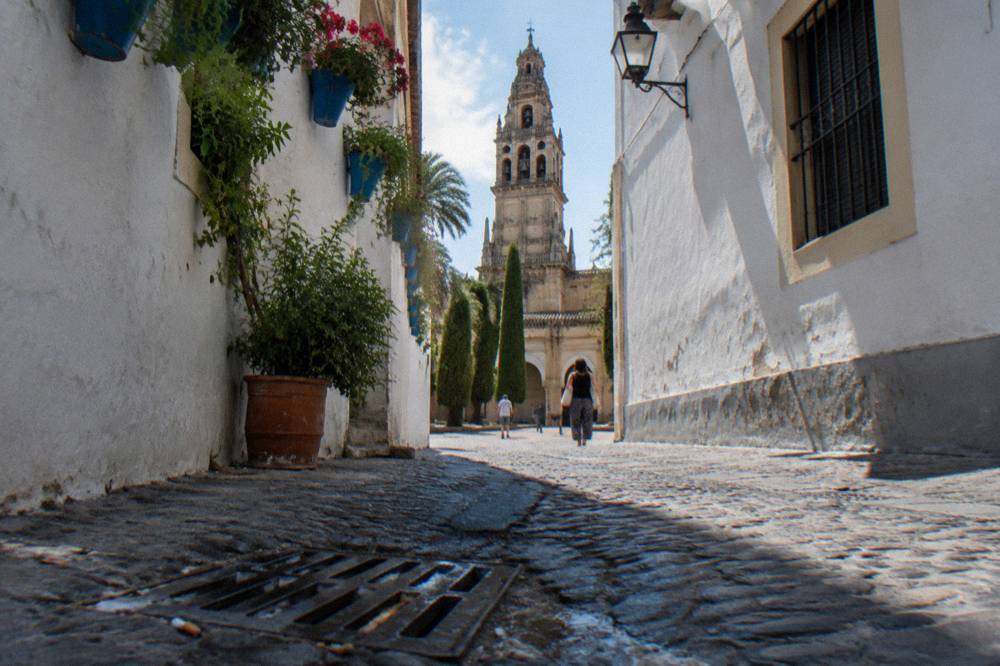
| Item | Price | Covered by the free slot? | Available Sunday? |
|---|---|---|---|
| General admission | EUR 15 | The free slot replaces it, Mon to Sat only | Yes, paid |
| Bell tower | EUR 4 | No | Sold separately, paid |
| Night visit El Alma de Cordoba | EUR 25 | No | Separate schedule, paid |
| Fernandine route | EUR 6 | No | Separate ticket, paid |
| Free early slot | Free | Is the free part | No, Monday to Saturday only |
Around the building, the free-versus-paid split continues, and Sunday visitors should use it. The Puerta del Puente and the Triunfo de San Rafael monument stand in free public space. The Roman Bridge and both riverbanks are free to walk at any hour, while the Torre de la Calahorra at the bridge's south end charges EUR 4.50 to go inside. The Mezquita's own exterior, the walls, the doors and the courtyard of orange trees as seen from outside, costs nothing to look at from the street on any day of the week, and the Juderia's lanes, including the Calleja de las Flores, are public streets.
One caution belongs here because it is a money question. The Palacio de Viana, a short walk north, is sometimes described loosely as part of a free patios experience, but its patios carry an EUR 8.50 ticket, and only during the Festival de los Patios, from 3 to 16 May 2027, does its Patio de la Cancela open as a free out-of-competition patio. Outside that festival window, nothing about Viana is free, and private patios generally are not open to walk into. Sunday planners who want free interiors after paying for the Mezquita should look instead at the municipal museums' free Thursday window, which is a different scheme with different rules entirely.
The Thursday window at the municipal museums, covering the Alcazar de los Reyes Cristianos, the Baños del Alcázar Califal, the Julio Romero de Torres museum, the Taurino museum and the Centro Flamenco Fosforito, gives everyone the last two hours of public access free on non-holiday Thursdays: 18:00 to 20:15 in winter, from 16 September to 15 June, and 12:00 to 14:15 in summer. That is a Thursday scheme, not a Sunday one, and it never applies to the Mezquita. But it shows the pattern of this city: free things here are almost always tied to a specific window, a specific day, or a specific category of visitor, and the honest planning move is to match each free item to its own condition rather than hoping one free rule covers everything.
When Is The Free Option Available?
The free option is available Monday to Saturday, from 8:30 to 9:30, with access stopping at 9:20, and on no other day or hour. It is withdrawn entirely on days of extraordinary celebration, whatever the weekday. Visitors who cannot make that window pay EUR 15, and the exempt categories enter free at any opening time.
The weekday-morning shape of the free slot makes the timing decision the whole game. Arriving at 8:30 gives the full hour; arriving at 9:15 gives five minutes of interior and a walk back out. The slot does not roll forward: when 9:30 comes, the free visit is finished and the building moves to its paid schedule. For travellers staying within walking distance of the old town, this is the cheapest interior visit in Cordoba by fifteen euros per person, but it demands an early alarm and it demands travelling light of expectations about guided commentary, since the slot is individual visitors only. The full index of guides sits on Free Things To Do In Cordoba.
The extraordinary-celebration exclusion deserves its own sentence in any plan. The Cabildo reserves the right to withdraw the free visit on days when the cathedral's liturgical calendar takes over, and those days are not always far ahead in a tourist's awareness. The Cabildo's own schedule tool is the place to confirm that a given Tuesday is an ordinary Tuesday, because a page written in November cannot bless every future date. Hours change for special events, and the building's own site says so directly.
What about the exempt categories, the people for whom "when" is never a question? A visitor born or resident in the Diocese of Cordoba, a child under 10, a holder of the Andalucia Junta 65 card, a visitor with over 64% disability accompanied by a companion, or an ICOMOS member enters free during normal opening hours on any day the building is open. For them, Sunday is free, Monday evening is free, and the 8:30 scramble is irrelevant. For everyone else, the categories are closed, and no amount of early arrival on a Sunday creates a free entry that the rules do not grant.
A final timing note for 2027 planners: the new official guided visits from 1 January 2027 are optional and paid at an increase over the normal ticket, and their existence does not extend the free slot. If anything, the year ahead is the year to re-read the Cabildo's pages before each visit, because the guided-visit launch is the biggest change to the building's visiting arrangements in years, and secondary sources will lag behind it. This site states only what the Cabildo publishes: the visits are optional, they cost more than the standard ticket, the price is not yet public, and the free early slot as published remains Monday to Saturday.
Where Does The Free Visit Start?
The free visit starts at the Mezquita-Catedral's own entrance on the building's north side, along Calle del Cardenal Herrero. Follow the Cabildo's own signage for the door in use. Individual visitors join the entry point for the 8:30 to 9:30 window. No walk or group can start it for you, because groups are excluded from the slot by rule.
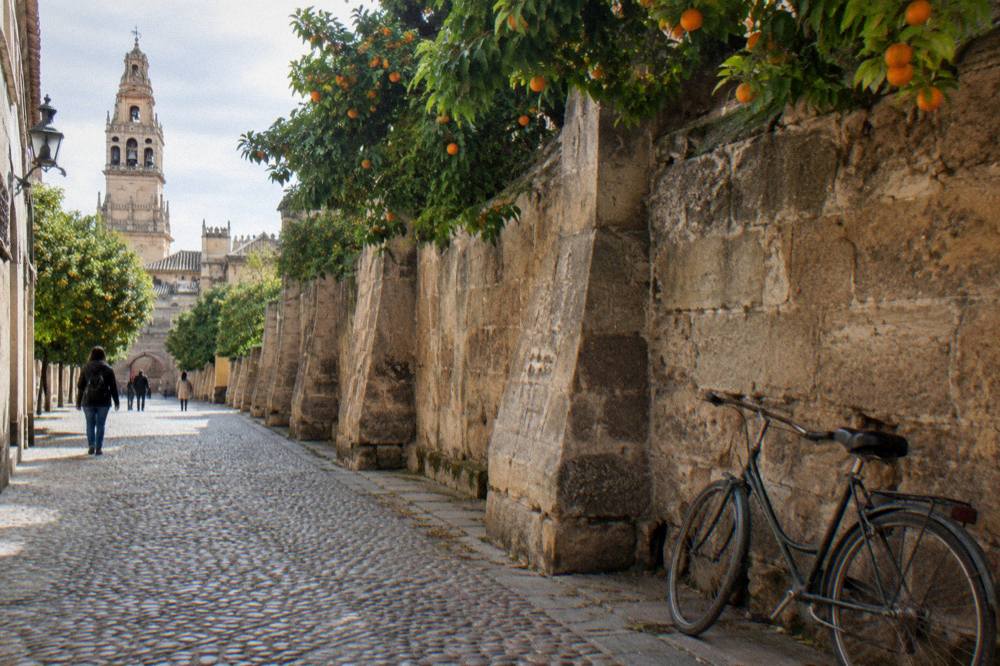
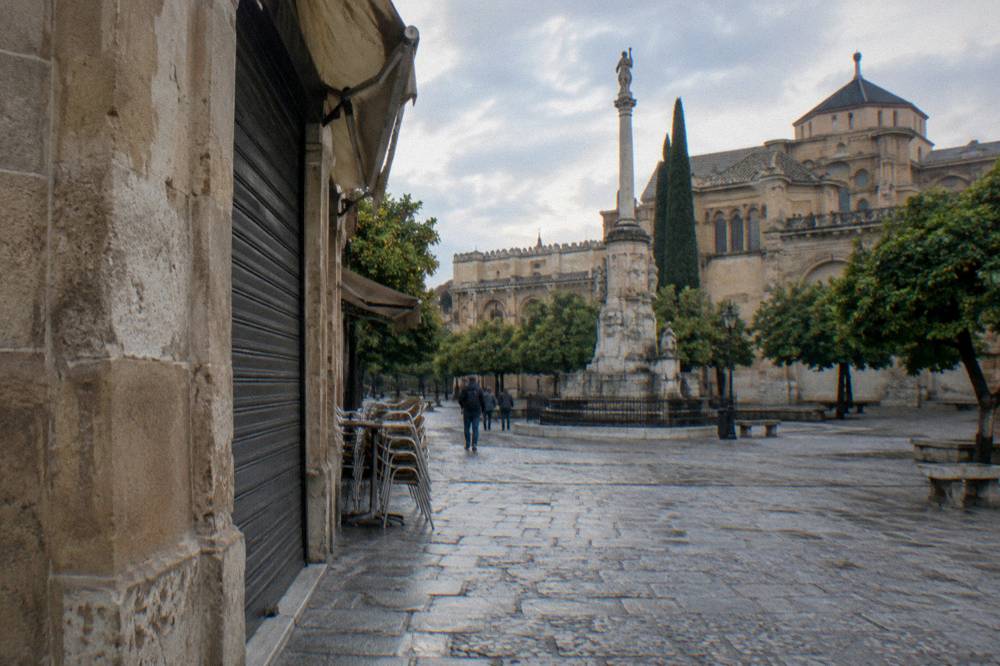
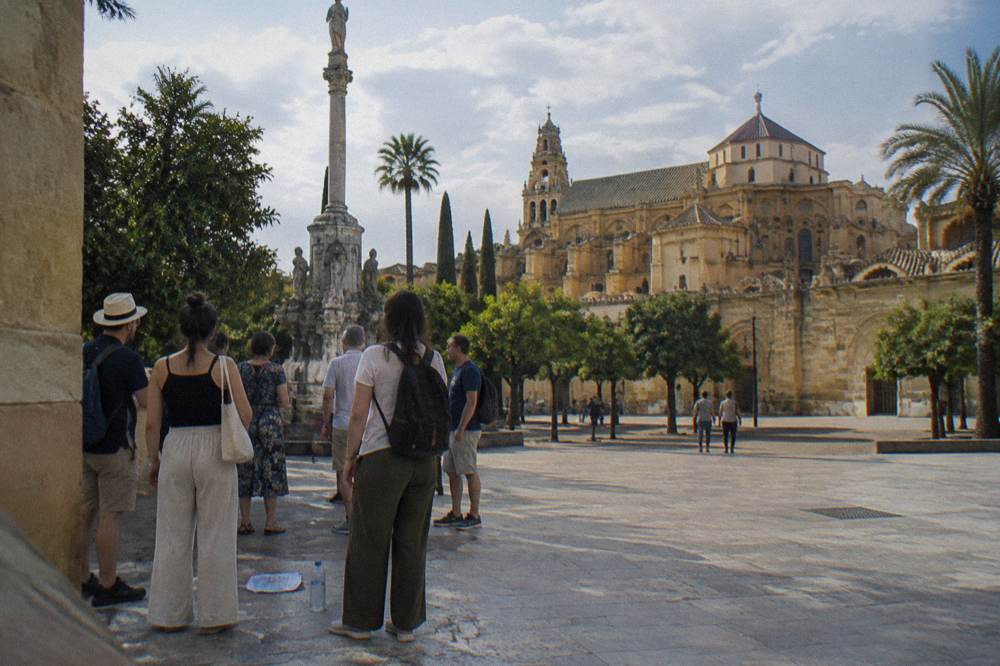
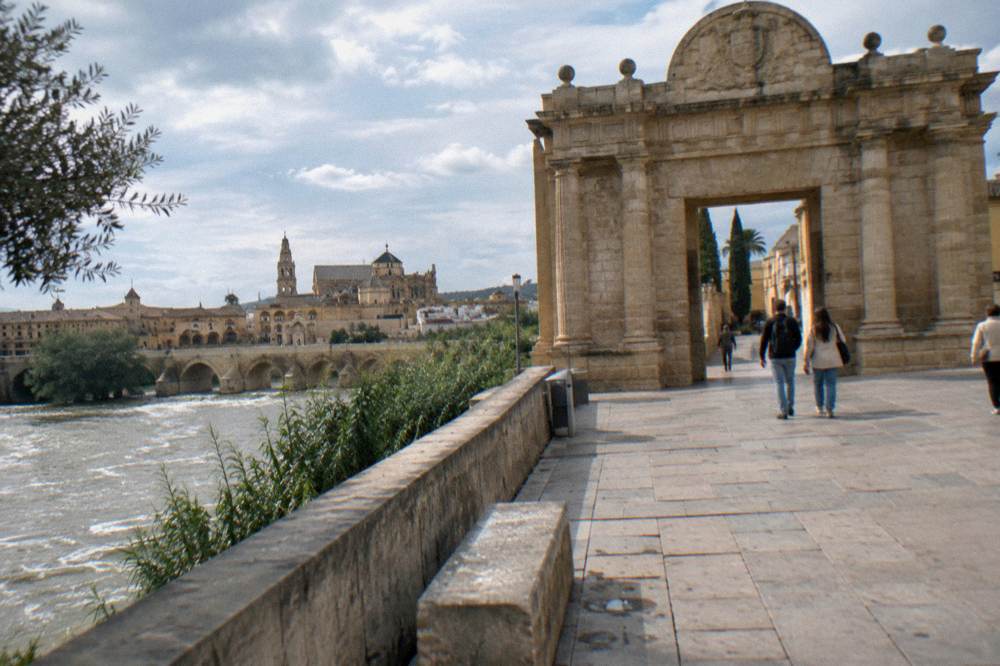
Plaza del Triunfo is the practical staging ground. It is the open square beside the building where the Triunfo de San Rafael monument stands, where the Puerta del Puente arch closes the view, and where the Roman Bridge begins its run across the Guadalquivir. All of that is free public space, open around the clock, which makes the early start easier to absorb: the walk to the door is itself the best free scenery in the city, and the riverbank viewpoint on the south side of the bridge is a free public overlook. For a weekday free-hour visitor, the natural shape is the bridge and square first, the interior at 8:30, and the Juderia lanes after.
The meeting-point geography matters to Sunday visitors too, because it is where the free walking tours gather. Several of the site's walks meet at points within a few minutes of this square, and the square itself is a public stage with no ticket. What no free walk can do is deliver you into the free slot or into the building as a group: the individual-visitors-only rule is absolute, and from 1 January 2027 the interior guiding arrangement changes anyway, when every guide accredited by the Junta de Andalucia may show the interior under the new official scheme. What a guide may or may not do inside during the free hour today is not something a listing's marketing copy decides, and this site does not claim any walk includes the Mezquita.
Inside the old town's street pattern, the other useful landmarks are simple. The Juderia, the old Jewish quarter, runs north from the Mezquita's walls, and the Calleja de las Flores is one of its narrow public lanes. The Puerta de Almodóvar, the eastern gate of the old walls, stands at the other edge of the historic core. All of it is walkable public space, and none of it closes on a Sunday, which is precisely why a Sunday in Cordoba, even without a free Mezquita hour, can still be a largely free day if the plan leans on the streets, the bridge and the river instead of the interiors.
Which Free Walking Tours Meet Nearby?
Several pay-what-you-want walking tours meet within a short walk of the Mezquita-Catedral, all listed on GuruWalk, and none includes entry to the building itself. The English Heritage Free Tour meets at Plaza del Triunfo beside the Mezquita-Catedral itself, while the Best Of Free Tour gathers at the Roman Temple on Calle Capitulares, with both covering the city around the monument in English.
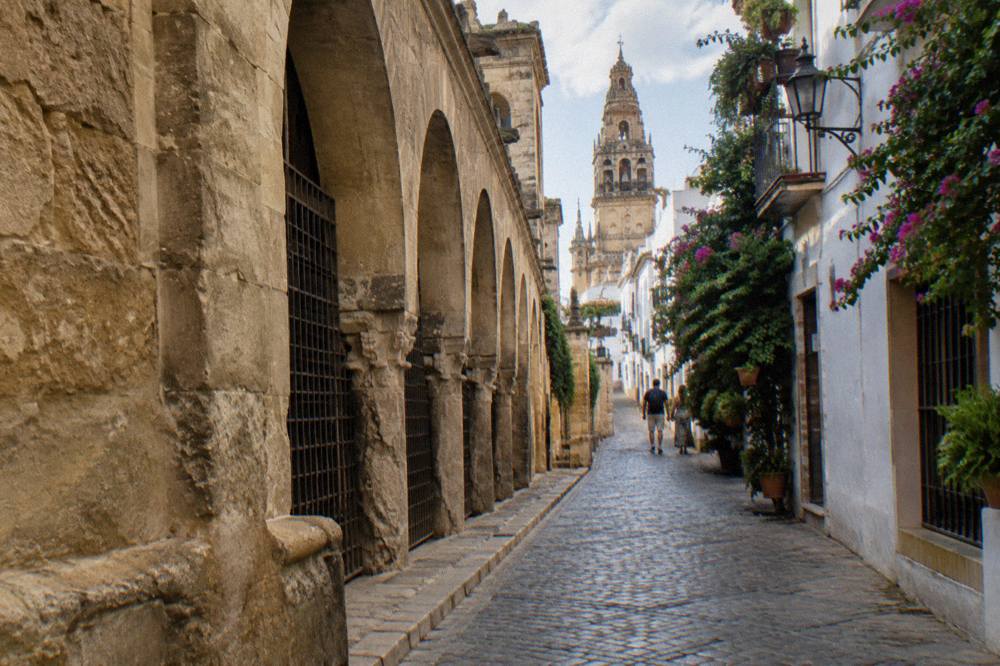
The English Heritage Free Tour, run by guide Enrique and listed on GuruWalk, is the walk most directly tied to this corner of the city. It runs 1 hour 30 minutes, in English, and its meeting point is Plaza del Triunfo, at the Mezquita-Catedral, which places it exactly where a Sunday or weekday visitor is already standing. It carries 4.63 out of 5 across 630 reviews on GuruWalk. Like every walk on this site, guiding is pay what you want, and no money figure belongs beside it; also like every walk, it does not enter the Mezquita, and no claim is made here about its route beyond its platform, guide, meeting point and neighbourhood.
The Best Of Free Tour from Andaloo Tours is the site's most-reviewed English-language walk: 4.94 out of 5 across 3,732 reviews on GuruWalk, 1 hour 45 minutes, in English and Spanish, meeting at the Roman Temple on Calle Capitulares in the old town. Its meeting point sits among the free public-space landmarks of the historic core, the Templo Romano's columns being free to view from the street at any hour. For a visitor weighing the EUR 15 Sunday ticket, a pay-what-you-want walk plus the free public monuments is the obvious budget comparison, and many people do both: the walk for the city's story, the ticket for the interior on their own clock.
The wider roster gives Sunday planners more options, all on GuruWalk unless noted. The Heritage Free Tour from WeTour meets at Plaza de las Tendillas and runs bilingual, 1 hour 30 minutes, with 4.77 out of 5 across 752 reviews. The World Heritage Free Tour from Córdoba Más, also from Plaza de las Tendillas, covers the same category in English or Spanish. The Hidden Gems walk from Cordobaecoexperience, in English from Plaza de las Tendillas, goes deeper into popular culture. Three further walks listed on freetour.com, including the Historic Center Free Tour that meets at Puerta del Puente, Plaza del Triunfo, rate out of 10 rather than out of 5 on that platform, so their scores are never mixed into GuruWalk figures. The site ships 26 walks in total across every category, from old town and Juderia routes to night walks and Medina Azahara, though the night walks on the roster all run in Spanish only, so no English night walk is promised here.
How these walks interact with the Mezquita question is the point of this section. A free walking tour is free in a different sense than the Mezquita's morning slot: pay what you want means the guide works for tips and you decide the amount at the end, a model explained in the site's guide to how free tours work in Cordoba. What no walk changes is the building's own tariff. The Cabildo's rules, not the walks', decide who enters and when. So the practical Sunday combination is a pay-what-you-want English walk through the old town, the free squares, bridge and riverbank around the monument, and the EUR 15 ticket only if the interior matters to you that day, or the Monday 8:30 slot if you can wait.
Mistakes That Trip People Up At The Mezquita On Sundays
The common Sunday mistakes are assuming the morning free hour applies, assuming a free tour group can get you in free, and assuming the exempt categories are broader than they are. Each of these fails against the Cabildo's published rules: the slot is Monday to Saturday, individual visitors only, and the exempt categories are a closed list. One more mistake, expecting the paid extras to be bundled, fails against the separate-ticket structure.
The first mistake is the headline one, and it deserves restating because people still build whole itineraries on it: there is no free hour at the Mezquita on a Sunday. The slot is Monday to Saturday, 8:30 to 9:30, last entry 9:20. A traveller who hears "the Mezquita is free in the morning" and shows up at 8:30 on a Sunday finds a paid opening, not a free one. The second mistake is the mirror image: treating the free weekday slot as a free day. It is 60 minutes, not a day, and it excludes groups. Anyone promising a group walk through the free slot is promising something the rules do not allow.
The third mistake is category creep. "Free for residents" gets repeated loosely, but the rule is specific: born or resident in the Diocese of Cordoba, plus the other named categories, children under 10, the Andalucia Junta 65 card, over 64% disability with companion, and ICOMOS. A UK or US visitor is none of these, and no early arrival, student card or senior bus pass substitutes for them. The fourth mistake is bundling: paying EUR 15 on a Sunday and expecting the bell tower, the EUR 4 separate ticket, to be included, or confusing the EUR 6 Fernandine route with the Mezquita ticket. Every paid part at this building is sold separately, under both the free slot and the general ticket.
The fifth mistake is subtler and grows from good intentions: assuming Sunday's processions or events make things free. Semana Santa in Cordoba, 21 to 28 March 2027, is free to watch in public space, but it does not open the Mezquita for free, and extraordinary celebrations can actually withdraw the free slot on other days. The sixth is treating the municipal museums' free Thursday window or the Junta museums' EU-citizen rule as if they applied to the Mezquita. They do not: those are separate regimes with separate operators, and the Mezquita's tariff belongs to the Cabildo alone. Keeping the regimes separate is the difference between a plan that works and a morning spent re-reading signs at a ticket desk.
Common Questions About Sundays At The Mezquita
Is The Mezquita Free On Sundays?
No. The free visit runs Monday to Saturday, 8:30 to 9:30, with last entry at 9:20, and Sunday is excluded. On Sundays the general admission of EUR 15 applies, except for the Cabildo's exempt categories such as people born or resident in the Diocese of Cordoba and children under 10, who enter free on any open day.
Can a free walking tour get me into the Mezquita for free?
No. The free early slot is for individual visitors only and excludes groups, so no walk can take a group through it. The walks on this site, all pay what you want on GuruWalk apart from the walks listed on freetour.com, cover the city around the monument, and entry is always governed by the Cabildo's own ticket rules.
What time should I arrive for the free weekday slot?
Arrive for 8:30 opening. Access stops at 9:20 and the free visit ends at 9:30, so the earlier you enter the more of the hour you get. The slot runs Monday to Saturday only, and it is withdrawn on days of extraordinary celebration, so the Cabildo's own schedule is the final check for your date.
Is the bell tower included in the ticket?
No. The bell tower is a separate EUR 4 ticket, and it is not covered by the free early slot either. The night visit El Alma de Cordoba at EUR 25 and the Fernandine route at EUR 6 are also separate tickets. Every paid part of the site is sold on its own.
Who gets into the Mezquita free on any day?
People born or resident in the Diocese of Cordoba, children under 10, holders of the Andalucia Junta 65 card, visitors with over 64% disability accompanied by a companion, and ICOMOS members. These categories enter free during normal opening hours, Sundays included. Everyone else pays EUR 15 outside the weekday free slot.
What is free around the Mezquita on a Sunday?
Plenty of public space: Plaza del Triunfo, the Puerta del Puente, the Roman Bridge and both riverbanks, the Juderia lanes including the Calleja de las Flores, and the Templo Romano columns seen from the street are all free at any hour. The Torre de la Calahorra inside the bridge's south end charges EUR 4.50, and Palacio de Viana's patios cost EUR 8.50 outside the May festival.