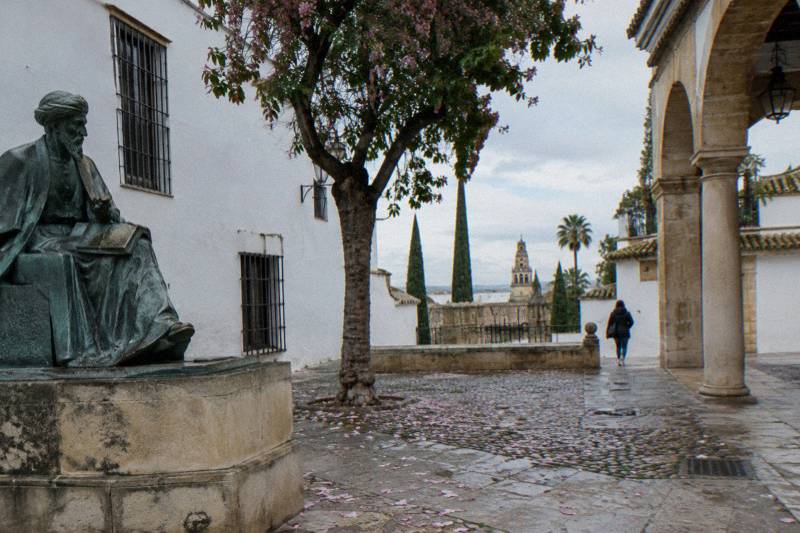
Is The Mezquita In Cordoba Free?
The Mezquita-Catedral in Cordoba is free for one hour on Monday to Saturday mornings, for individual visitors only. Here is exactly what the free slot covers and what still costs money.
In Short
The Mezquita-Catedral is free for one 60-minute slot, Monday to Saturday, 8:30 to 9:30, with last entry at 9:20. The slot is for individual visitors only: groups are excluded, and it does not run on days of extraordinary celebration. Outside that slot, general admission is EUR 15. The bell tower (EUR 4), the night visit El Alma de Cordoba (EUR 25) and the Fernandine route (EUR 6) are separate tickets the free slot does not cover.
This question sits inside the Mezquita-Catedral visitor guide.
Quick Facts
| Question | Answer |
|---|---|
| Is the Mezquita free? | Yes, for a 60-minute morning slot, Monday to Saturday, individual visitors only |
| Free slot times | 8:30 to 9:30, last entry 9:20 |
| General admission outside the slot | EUR 15 |
| Bell tower | EUR 4, separate ticket |
| Night visit El Alma de Cordoba | EUR 25, separate ticket |
| Free all day for | People born or resident in the Diocese of Cordoba, children under 10, holders of the Andalucia Junta 65 card, visitors with over 64% disability plus companion, ICOMOS members |
| Free walks meeting nearby | Runs on GuruWalk, pay what you want |
Is The Mezquita In Cordoba Free?
Yes, but only for one hour a day: the Mezquita-Catedral in Cordoba admits individual visitors free of charge from 8:30 to 9:30, Monday to Saturday, with last entry at 9:20. That single 60-minute slot is not a free visit of the whole building and excludes groups entirely. Outside it, general admission costs EUR 15 per person, terms set by the Cabildo on its ticket page.
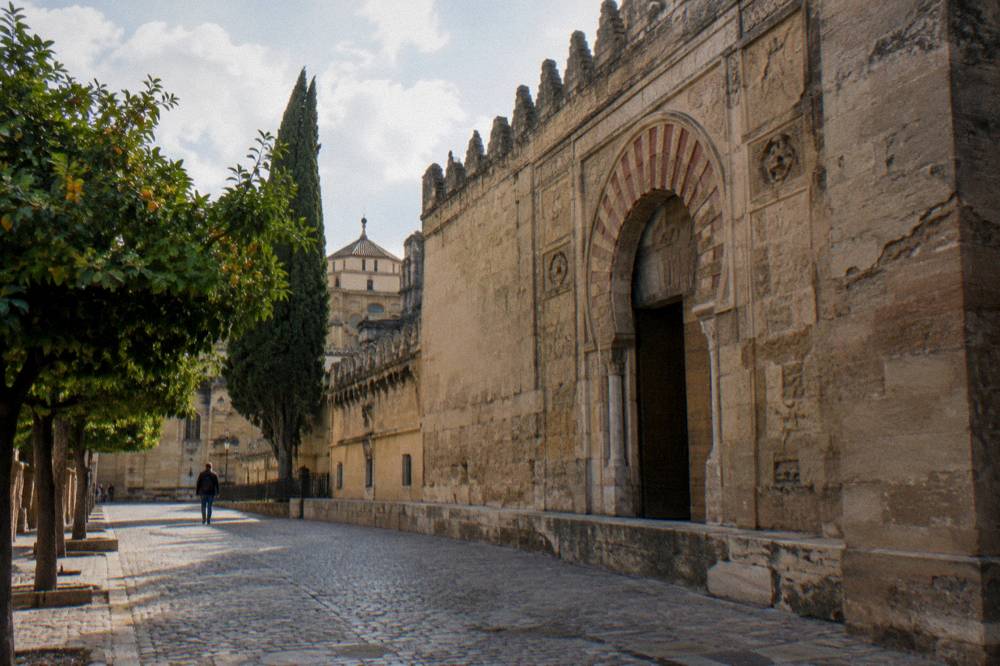
That single hour is the honest answer to the question, and almost every shorthand version of it you will read online is wrong in some way. "The Mezquita is free" is false for most visitors most of the day. "The Mezquita is free in the morning" is closer but still incomplete, because the slot runs Monday to Saturday only: Sunday has no free window at all, and treating Sunday morning as free is the most common mistake visitors make. "Free entry" also quietly drops the individual-only condition. The Cabildo's free visit is explicitly for individual visitors; organised groups cannot use it, and a guide bringing a group through the 8:30 door is not permitted under the current rules.
It helps to picture what the free hour actually is. The Cabildo describes it as a free visit, and it gives you sixty minutes inside the building from the 8:30 opening, with access closing at 9:20, when the exit of visitors begins, before the paid day starts. It is a real entry into the prayer hall, not a glimpse from a doorway. What it is not is a free pass to everything on the site: the bell tower, the night visit and the Fernandine churches route are all separate tickets, and the free slot covers none of them, a split covered in full further down this page. A free walk meets in this neighbourhood: English Heritage Free Tour, 1H30.
The slot also does not run on days of extraordinary celebration, the Cabildo's term for special liturgical and civic occasions when the building's schedule changes. Hours can shift for special events generally, so the day before you go, check the Cabildo's own schedule rather than any summary, including this one. One change worth knowing about is coming: from 1 January 2027 the Cabildo starts optional official guided visits, sold on its own channels at an increase over the normal ticket, with the price not yet published. From that same date, every guide accredited by the Junta de Andalucia may show the interior. The free morning slot itself stands, with no change found on the Cabildo's pages.
For visitors who qualify in other ways, the building is free all day, not just in the morning. People born or resident in the Diocese of Cordoba enter free at any time during opening hours, as do children under 10, holders of the Andalucia Junta 65 card, visitors with over 64% disability accompanied by a companion, and ICOMOS members. If one of those categories describes you, the 8:30 rush is unnecessary; your free entry is not tied to the slot. Everyone else is choosing between the free hour and a EUR 15 ticket.
If the free hour does not suit your morning, a paid walk can still be the cheaper way to see the historic centre, because the walks that surround the Mezquita cost nothing to join and you pay the guide what you want at the end. The walks below all run on GuruWalk, each operated by an independent local guide; this site operates no walk and is not owned by GuruWalk, but earns a referral commission when you book through its links.
What Does The Free Part Include?
The free slot includes entry to the Mezquita-Catedral's interior for 60 minutes as an individual visitor. It does not include the bell tower, the night visit, the Fernandine route or any guided service, and the Cabildo does not state whether the Capilla Mayor and Coro, the cathedral choir area, are open during the slot. Nothing on the official pages says the Patio de los Naranjos can be entered without a ticket either, so no promise is made here.
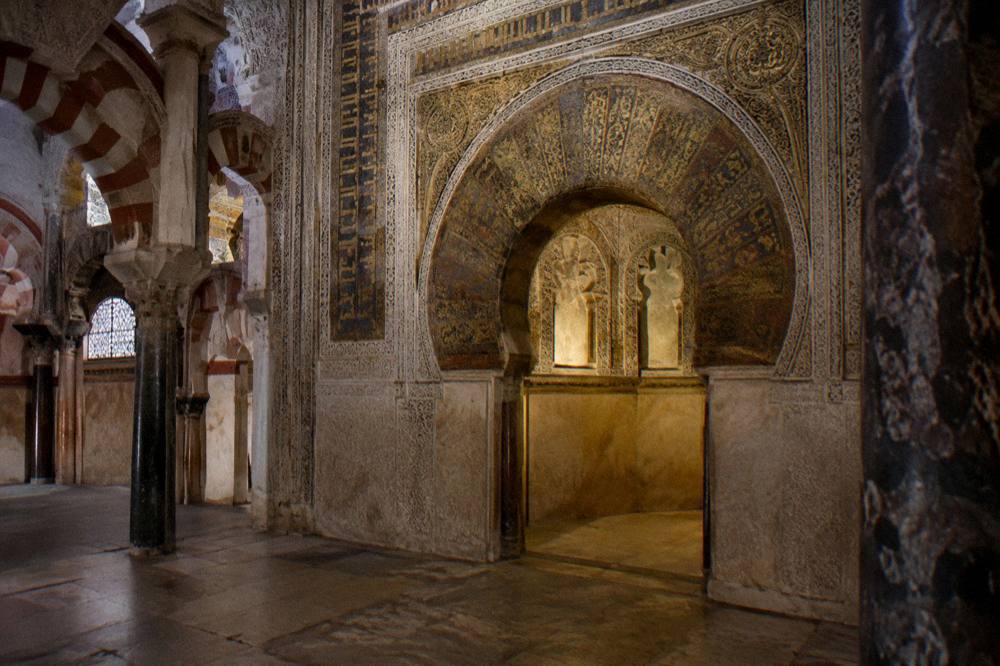
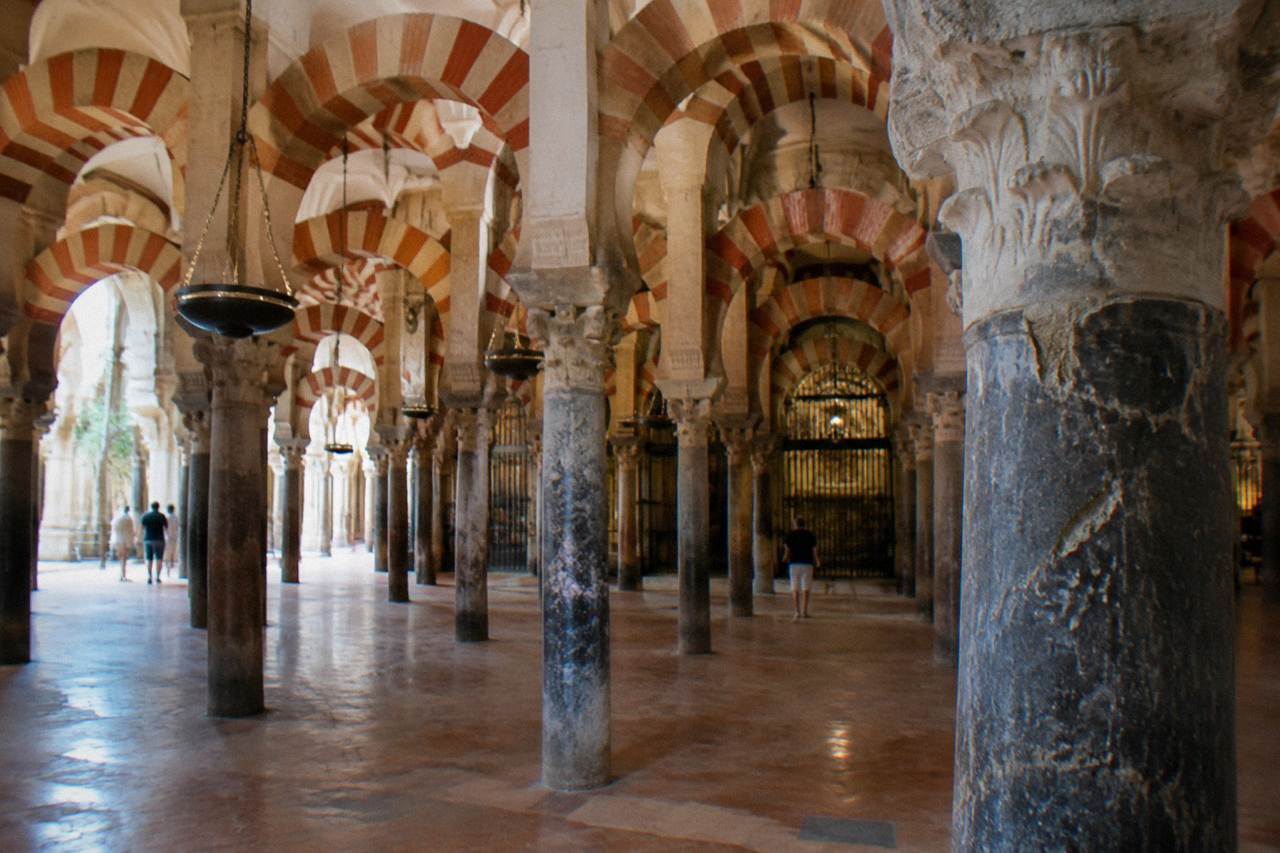
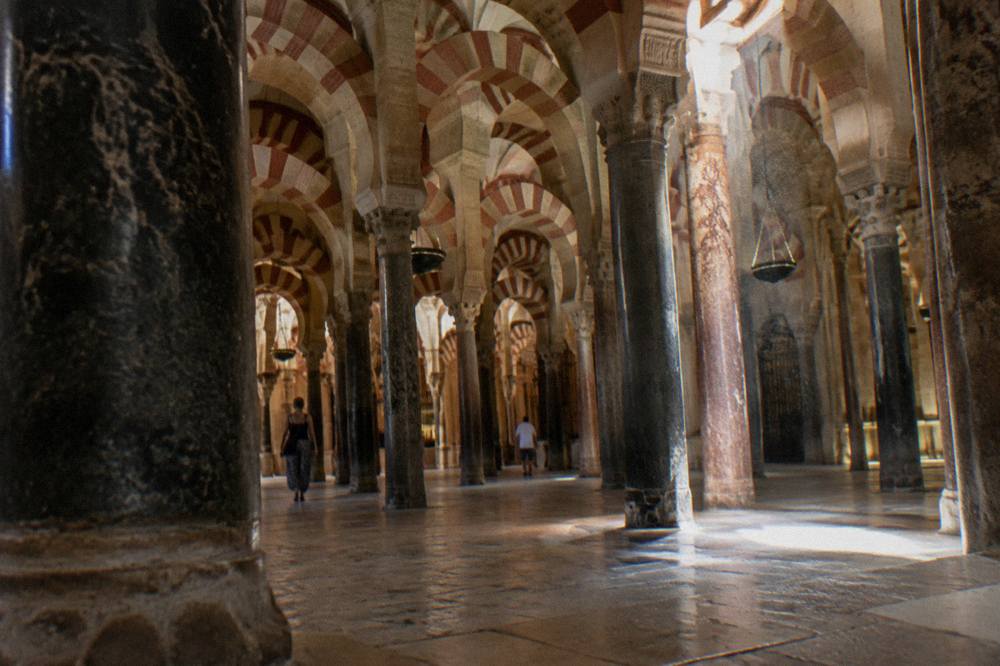
Start with what is certain. From 8:30 individual visitors enter without paying; access closes at 9:20, when the exit of visitors begins, and paid visits take over after 9:30. The hypostyle hall, the forest of columns and double arches that most people picture when they think of the Mezquita, is the heart of that interior, and the free hour puts you in it. You queue with other individuals, you enter, you walk, and at the end of the hour the ordinary paid visiting day begins.
What the free hour does not do is open the paid add-ons. The bell tower, the former minaret, is a EUR 4 ticket bought separately, and the free slot gives no access to it. The night visit, El Alma de Cordoba, is a EUR 25 evening experience at 20:00, again a separate product with its own ticket. The Fernandine route, a EUR 6 ticket covering the route of the Fernandine churches, is a third separate item. Paying nothing at 8:30 buys the interior for an hour and nothing else.
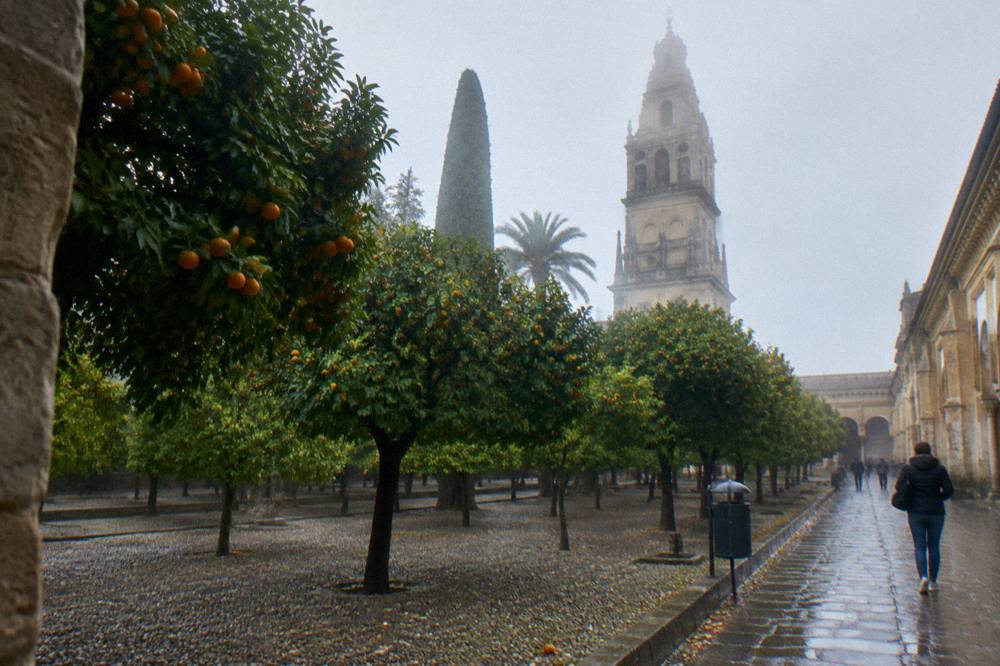
Two things are genuinely unresolved, and honesty matters more than a tidy answer. The Cabildo's pages do not say whether the Capilla Mayor and Coro, the main chapel and choir of the inserted cathedral, are open to free-slot visitors, so this article claims nothing either way. The same goes for the Patio de los Naranjos, the orange tree courtyard: whether it can be entered without a ticket is simply not stated on the ticket, rules or building pages. Visitors sometimes report one thing or another, but a report is not a rule, and the Cabildo's silence is the only authoritative fact available.
It is worth being clear about who the free hour suits. An early riser who wants the famous arches and is happy to move at their own pace gets an excellent deal: the full interior, no payment, one hour on the clock. A visitor who wants the tower, the choir, the courtyard guaranteed or a guide's commentary gets none of that from the slot, and should budget for the relevant ticket or a tour instead. The free hour is a precise instrument, not a general concession, and planning around its edges is what separates the visitor who pays nothing from the one who pays EUR 15 by accident.
For context on how the pieces stack up, the split between free and paid parts at the Mezquita is one of several in Cordoba: the Roman Bridge is free public space while the Torre de la Calahorra inside it costs EUR 4.50, and Palacio de Viana charges EUR 8.50 for its patios. If you are mapping the whole city, the budget guide to Cordoba pulls the free-versus-paid splits together in one place, and the question of which museums and monuments are free covers the rest of the big names.
What Do You Still Have To Pay For?
Four things carry a price even for people who use the free slot: the bell tower at EUR 4, the night visit El Alma de Cordoba at EUR 25, the Fernandine route at EUR 6, and general admission at EUR 15 outside the 8:30 to 9:30 slot. The Cabildo also starts optional official guided visits from 1 January 2027, sold at an increase over the normal ticket, price not published.
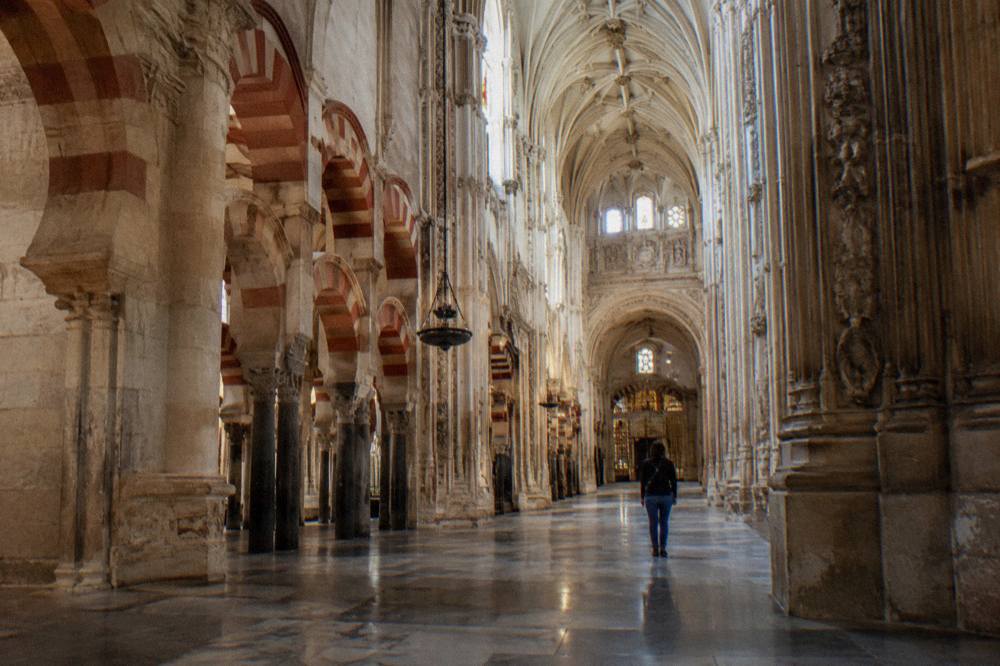
The bell tower is the most tempting of the paid extras, because it is the one people see from the street and assume comes with the building. It does not. The tower is a timed, separately ticketed climb at EUR 4, and the free morning slot covers none of it. If you want both the free interior hour and the tower, you are buying a tower ticket on top, and the tower's own schedule governs when you can go up. The Cabildo sells it as a distinct product on the same ticketing pages as general admission, which is the clearest signal that the free slot and the tower are different purchases.
The night visit is the premium product. El Alma de Cordoba runs at 20:00 and costs EUR 25, a nighttime experience of the building with lighting and staging rather than a plain evening opening. It is the most expensive single ticket on the site, more than the daytime admission and the tower combined, and it exists entirely outside the free slot's logic: the free hour is a morning concession for individuals, while the night visit is a produced event. Visitors deciding between the two should understand they are not variants of the same thing.
The Fernandine route ticket, EUR 6, covers the route of the Fernandine churches, the group of Gothic and Renaissance parish churches founded after the Christian conquest. It is the least connected to the Mezquita itself, but it appears on the same Cabildo ticketing pages and gets mistaken for a Mezquita add-on. Individual walk-in entry to any single Fernandine church is not a verified fact, so if the route interests you, the EUR 6 route ticket is the one confirmed way in. General admission, EUR 15, completes the paid list: it is what the free slot spares you, and it applies every day outside the morning hour for visitors who do not qualify for the all-day free categories.
From 1 January 2027 there will be a fifth paid item, or rather a paid layer over the ordinary ticket. The Cabildo's press release of 19 June 2026 announced optional official guided visits, sold on the Cabildo web and at the San Eulogio desk, at an increase over the normal ticket, with the price not published. The same release notes that only 7% of visitors currently come with a guide, and that from that date every guide accredited by the Junta de Andalucia may show the interior. None of that changes the free slot, but it does mean the paid menu around the building is growing, and any article that prices the guided visits before the Cabildo publishes them is guessing.
| Item | Price | Covered by the free slot? |
|---|---|---|
| Free morning slot, Mon to Sat 8:30 to 9:30 | Free, individuals only | This is the free part |
| General admission, outside the slot | EUR 15 | No, this is what the slot replaces |
| Bell tower | EUR 4 | No, separate ticket |
| Night visit El Alma de Cordoba, 20:00 | EUR 25 | No, separate ticket |
| Fernandine route | EUR 6 | No, separate ticket |
| Official guided visits from 1 Jan 2027 | Increase over normal ticket, price not published | No, optional paid extra |
The pattern to hold onto is simple: one hour, one building, no add-ons. Every other experience attached to the Mezquita-Catedral has its own price and its own rules, and the free slot is not a master key. Visitors who budget on that basis arrive with correct expectations, and visitors who assume "free Mezquita" means free everything end up recalculating at the ticket desk.
When Is The Free Option Available?
The free slot runs Monday to Saturday, from 8:30 to 9:30, with access stopping at 9:20. It is not available on Sundays, not on days of extraordinary celebration, and not for groups. The all-day free entry for people born or resident in the Diocese of Cordoba, children under 10 and the other listed categories works on any opening day instead, outside this schedule entirely.
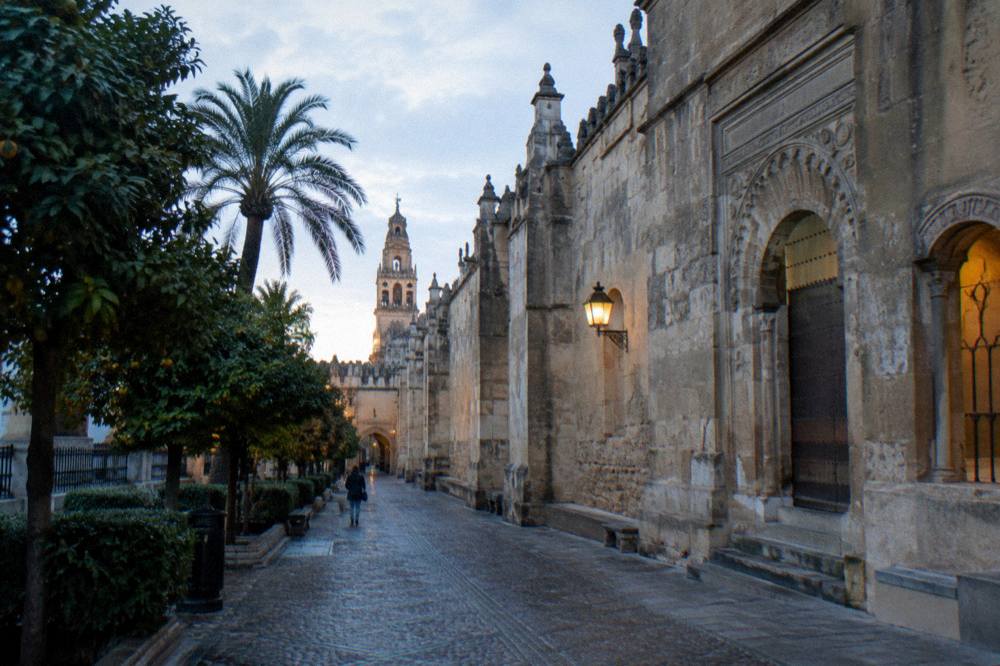
The Monday-to-Saturday detail does more work than its five words suggest. Weekend visitors routinely plan a Sunday morning Mezquita visit on the assumption that the free hour runs daily, and it does not. Sunday has no free slot at all under the published terms, so a Sunday arrival means either the EUR 15 ticket or one of the all-day free categories. Saturday is included, which makes early Saturday the free option for anyone whose trip spans a weekend, but the same 9:20 cutoff applies and the slot is still individuals only.
Days of extraordinary celebration are the second exception, and they are deliberately vague in the calendar sense: the Cabildo uses the phrase for special liturgical and civic days without publishing a single tidy list far in advance. The practical defence is to check the Cabildo's own schedule the day before, because hours change for special events generally, not just for the free slot. The building's ordinary hours also move seasonally and event to event; a sample day in November 2026 shows 10:00 to 18:00 with last entry thirty minutes earlier, which is a shape, not a promise. The paid day starts after the free slot ends, so a schedule change can silently remove the free hour even when the building itself stays open.
The groups exclusion is the third condition, and it matters to more people than expect it. The free visit is for individual visitors only: no groups, and by extension no tour operator can run its paying customers through the free door. If you are travelling independently, you are an individual and the slot is yours. If you have booked any organised group visit, that booking runs on paid terms set by the operator and the Cabildo, not on the free hour. From 1 January 2027 the accreditation change means Junta-accredited guides may show the interior as part of their tours, but that is a change to who may guide inside, not to who enters free at 8:30.
For the qualifying categories, timing works differently and better. People born or resident in the Diocese of Cordoba, children under 10, holders of the Andalucia Junta 65 card, visitors with over 64% disability plus a companion and ICOMOS members enter free during ordinary opening hours, not just in the morning hour. For them the question "when is it free" answers "whenever it is open", and the extraordinary-celebration caveat is the only calendar risk worth checking. Everyone else should treat the 8:30 to 9:30 window as a fixed appointment, set an alarm, and be at the door before 9:20, because the slot does not stretch and the day's paid admission begins the moment it ends.
The timing question connects to a wider one this site covers in detail: whether the free hour is worth building a morning around, and how it compares with simply paying. That trade-off, and the crowd realities of a sixty-minute window, are laid out in the companion piece on what time the Mezquita is free, while the question of who does not pay at the Mezquita unpacks the qualifying categories one by one.
Where Does The Free Visit Start?
The free visit starts at the Mezquita-Catedral's own visitor entrance on the building's north side, by the Patio de los Naranjos, on Calle del Cardenal Herrero. Individual visitors join the entry point there before 8:30, or at latest by the 9:20 access cutoff. The meeting question matters most for the free walking tours, which gather at named points around the building, from Plaza del Triunfo to the Roman Temple.
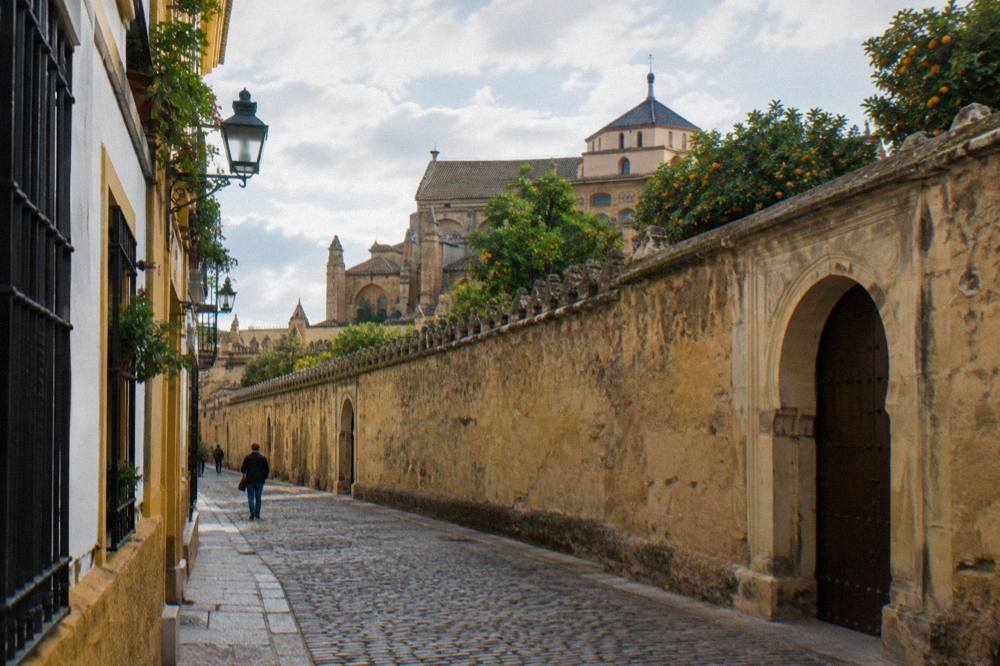
The Door of Deans, the Puerta de las Palmas, the visitor door on the facade: the building has several named doors, and which one actually admits visitors is set by the Cabildo's signage on the day rather than by any permanent rule a blog can safely print. What is stable is the geography. The Patio de los Naranjos lies along the north side of the Mezquita-Catedral, where Calle del Cardenal Herrero runs, and the paid and free flows both begin from the visitor entrance the Cabildo operates there. Arriving a few minutes early costs nothing and removes the only real risk of the free hour, missing the 9:20 cutoff.
Around that entrance sits a small constellation of landmarks that free visitors pass anyway. Plaza del Triunfo, with the Triumph of San Rafael and the Puerta del Puente, sits immediately south of the building in free public space. The Roman Bridge and the riverbank beyond it are free to walk at any hour, and the Juderia's lanes, including the Calleja de las Flores, begin a couple of streets north. None of that exterior geography needs a ticket on any day, which is why a morning built around the free slot can extend into a free half-day without spending anything: the Roman Bridge and Calahorra viewpoint guide and the Juderia and Calleja de las Flores guide map those pieces in full.
The meeting-point question is really about the walks. Free walking tours in Cordoba gather at fixed, named points, and several of them sit within a short walk of the Mezquita's doors, which makes it possible to time a free walk to finish near, or begin near, the free slot. The English Heritage Free Tour, run by guide Enrique on GuruWalk, meets at Plaza del Triunfo, Mezquita-Catedral, literally the square beside the building; it runs an hour and a half in English, pay what you want, and carries a 4.63 rating out of 5 across 630 reviews. The Best Of Free Tour by Andaloo Tours, 4.94 out of 5 across 3,732 reviews on GuruWalk, meets at the Roman Temple, Calle Capitulares, a few minutes north, running an hour and 45 minutes in English and Spanish. Both are listed on GuruWalk's own pages; each walk is run by an independent guide, and this site earns a referral commission when you book through its links.
Routes are given as each operator publishes them, and they can change. This article does not claim that any walk enters, passes through or covers the Mezquita-Catedral or any other landmark, and this site promises no stop on any walk. What can be said is where each walk starts and in which neighbourhood, and that the meeting points cluster in the old town around the building. How free tours work, and what the pay-what-you-want model means for the guide and for you, is explained in the piece on how free walking tours work in Cordoba, with tipping etiquette covered separately in how much to tip a free tour in Cordoba.
Timing a walk against the free slot is a planning exercise in two directions. A walk that ends near the Mezquita in time for 8:30 is one shape of morning; a walk that begins at 10:00 or later, after the paid day starts, pairs better with a decision to pay admission or to skip the interior. The walks themselves cost nothing to join, on either schedule, and their value is in the guide's commentary on the city rather than in any access to the building. Whether a guide can take you inside the Mezquita at all is its own question, and the accreditation change from 1 January 2027 is covered in can free tour guides enter the Mezquita.
The English Heritage Free Tour's Plaza del Triunfo meeting point makes it the walk most naturally paired with the free slot: the square is beside the visitor entrance, so a morning can run from walk to free hour without crossing the city. It is one of the walks in English on a roster that also lists Spanish-language options, and its GuruWalk listing carries the rating and review count quoted above.
Which Free Walking Tours Meet Nearby?
Several pay-what-you-want walks on GuruWalk meet within the old town around the Mezquita-Catedral: the English Heritage Free Tour at Plaza del Triunfo, Mezquita-Catedral; the Best Of Free Tour and the Unknown Side Tour at the Roman Temple, Calle Capitulares; the World Heritage Free Tour and the Heritage Free Tour at Plaza de las Tendillas. All cost nothing to join, and every one is an independent guide's own GuruWalk listing.
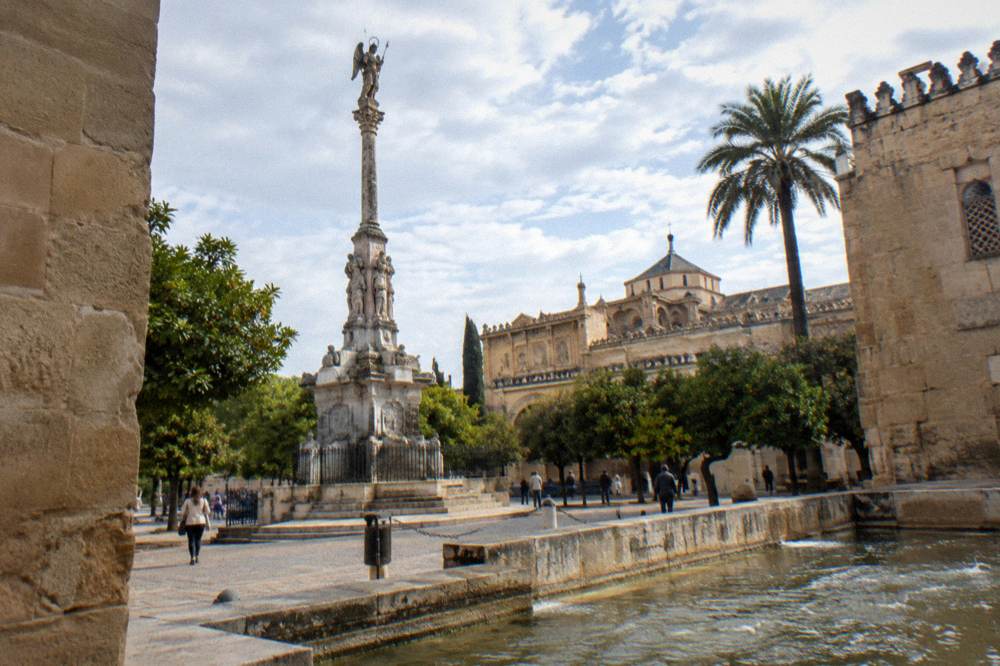
The closest meeting point of all is Plaza del Triunfo, the square immediately south of the Mezquita where the Puerta del Puente and the Triumph of San Rafael stand. Enrique's English Heritage Free Tour, an hour and a half in English, meets there, which puts its gathering point beside the visitor entrance the free slot uses. The Best Of Free Tour by Andaloo Tours, the most reviewed walk on this site's roster with 3,732 reviews and a 4.94 rating out of 5, meets at the Roman Temple, Calle Capitulares, in the same old-town category and a short walk north; it runs an hour and 45 minutes in English and Spanish. Both listings live on GuruWalk, and both are pay what you want, with no fee to join and no fixed price against the walk.
The cluster around Plaza de las Tendillas serves the walks that frame the city centre before heading toward the monumental zone. WeTour's Heritage Free Tour, 4.77 out of 5 across 752 reviews, meets there in an hour and a half in English and Spanish; so does the World Heritage Free Tour by Cordoba Mas, bilingual, an hour and a half, 4.44 out of 5 across 25 reviews; and Cordobaecoexperience's English Hidden Gems Free Tour, an hour and a half in English, 4.56 out of 5 across 98 reviews. Tendillas is the city's main central square, free public space in its own right, and the walks that start there cover the old town's headline neighbourhood, the category this site calls Mezquita, Cathedral And Old Town.
For visitors who prefer the quieter material, the same neighbourhood hosts walks that angle away from the monuments. Jose Manuel's 2 Hour Small-Group English Tour meets at the Statue of Averroes, Puerta de Almodovar, on the Juderia's western wall, running two hours in English with a 4.88 rating out of 5 across 354 reviews. Antonio's English Hidden Corners, an hour and a half in English, meets at Plaza del Doctor Emilio Luque in the centre, a few minutes north of the Judería; it and WeTour's Unknown Side Tour, which meets at the Roman Temple, both sit under 20 reviews, so this site prints no score for either, a policy that keeps small review pools honest. The Jewish Quarter Tour in English by CORDOBA, 4.46 out of 5 across 28 reviews, meets at Puerta de Almodovar and works the Juderia side of the map.
| Walk | Platform and guide | Meeting point | Language | Duration |
|---|---|---|---|---|
| English Heritage Free Tour | GuruWalk, Enrique | Plaza del Triunfo, Mezquita-Catedral | English | 1 hour 30 minutes |
| Best Of Free Tour | GuruWalk, Andaloo Tours | Roman Temple, Calle Capitulares | English, Spanish | 1 hour 45 minutes |
| Heritage Free Tour | GuruWalk, WeTour | Plaza de las Tendillas | English, Spanish | 1 hour 30 minutes |
| World Heritage Free Tour | GuruWalk, Cordoba Mas | Plaza de las Tendillas | English, Spanish | 1 hour 30 minutes |
| 2 Hour Small-Group English Tour | GuruWalk, Jose Manuel | Statue of Averroes, Puerta de Almodovar | English | 2 hours |
| Jewish Quarter Tour in English | GuruWalk, CORDOBA | Puerta de Almodovar | English | 1 hour 30 minutes |
Every walk on that list is free to join in the only sense this site uses the word: guiding is pay what you want, you tip the guide at the end, and there is no ticket, no minimum and no money figure attached to the walk itself. None of them includes the Mezquita's interior, and the free slot excludes groups in any case. Routes follow each operator's own GuruWalk or freetour.com page; this site promises no particular stop. What the walks offer is the city around the building, narrated by the guide who runs the listing, and the neighbourhoods they work are the free half of any Cordoba day: the squares, the Juderia's lanes, the bridge and the riverbank, all public space.
The full landscape of walks, including the Spanish-language options and the Medina Azahara walks that carry separate entry costs on their listings, is mapped in the free walking tours of Cordoba guide, which also explains how the 26 walks shipped on this site divide across the old town, the Juderia, the Axerquia, the night walks and Medina Azahara. This site, Free Things To Do In Cordoba, publishes that directory and the free-attractions research behind it, and the walks themselves belong to their guides.
The Best Of Free Tour's Roman Temple meeting point sits in the heart of the old town, and its review pool, 3,732 reviews with a 4.94 rating out of 5 on GuruWalk, is the largest on the roster. It runs an hour and 45 minutes in English and Spanish, and like every walk here it costs nothing to join.
Mistakes That Trip People Up At The Free Mezquita Visit
The mistakes that cost money are predictable: assuming Sunday has a free slot when it does not, arriving after the 9:20 access cutoff, expecting the bell tower or the night visit to be included, and believing groups or tours can use the free door. Each one is disproved by a specific term on the Cabildo's own pages, and each correction is free to apply.
Sunday is the first and most expensive mistake. The free slot runs Monday to Saturday, and Sunday appears nowhere in it, so a Sunday-morning plan built on free entry ends at the EUR 15 ticket desk. The second mistake is the cutoff: the slot is 8:30 to 9:30 with access stopping at 9:20, and a visitor who treats 9:30 as the arrival deadline loses the hour entirely. The third is scope creep: the bell tower at EUR 4, the night visit at EUR 25 and the Fernandine route at EUR 6 are separate tickets the free slot does not touch, and no combination of free entry plus assumption unlocks any of them.
The fourth mistake is assuming the free hour extends to groups or guided parties. It is for individual visitors only, under the Cabildo's own terms, and no tour listing changes that. The related confusion, believing a free walking tour includes the Mezquita's interior, fails on the same terms plus one more: routes are as each operator publishes them and may change, so no walk on this site is described as entering, visiting or including the building. From 1 January 2027, Junta-accredited guides may show the interior, but that is a change to guiding inside, not to the free door, and the Cabildo's guided visits will carry their own unpublished increase over the normal ticket.
The fifth mistake is trusting a fixed schedule in a building whose hours move. Days of extraordinary celebration suspend the free slot, and ordinary hours shift for special events, which is why the Cabildo points visitors to its own schedule tool and why this article repeats that instruction instead of printing a calendar. The sixth is subtler: assuming the Patio de los Naranjos or the Capilla Mayor and Coro come with the free hour. Both are unresolved on the official pages, so the honest answer is that no entry claim can be made for either, and a visitor who needs them guaranteed should plan on a paid visit's terms rather than the free slot's.
A final planning mistake belongs to the wider day: treating the Mezquita's free hour as the only free thing in the neighbourhood. The squares, the Juderia's lanes, the Roman Bridge and the riverbank are free public space on every day of the week, and the municipal museums run their own separate free windows, the Thursday last-two-hours scheme, which is a different regime entirely and must never be merged with the Mezquita's slot. Visitors who keep the three regimes straight, Cabildo slot, municipal Thursday window, Junta museums' EU-citizen rule, get the city's free layer right almost automatically.
If a walk is part of the plan, the trio below offers the English-language old-town options that pair most naturally with a morning at the building, all pay what you want on GuruWalk.
Common Questions About The Free Mezquita Visit
Is The Mezquita In Cordoba Free?
Yes, for one hour a day: Monday to Saturday, 8:30 to 9:30, with last entry at 9:20, for individual visitors only and not on days of extraordinary celebration. Outside that slot, general admission is EUR 15. The bell tower (EUR 4), the night visit El Alma de Cordoba (EUR 25) and the Fernandine route (EUR 6) are separate tickets the free hour does not cover.
Is the Mezquita free on Sundays?
No. The free slot runs Monday to Saturday only, and Sunday is not part of it under the Cabildo's published terms. Sunday visitors either pay the EUR 15 general admission or qualify for one of the all-day free categories, such as people born or resident in the Diocese of Cordoba, children under 10, the Andalucia Junta 65 card, over 64% disability plus companion, or ICOMOS membership.
What time is the Mezquita free?
The free visit runs from 8:30 to 9:30, Monday to Saturday, and access stops at 9:20, so arriving before that cutoff is essential. It is a 60-minute slot for individual visitors, not an all-morning window. Hours can change for special events, so check the Cabildo's own schedule the day before your visit.
Does the free slot include the bell tower?
No. The bell tower is a separate EUR 4 ticket, and the free morning slot covers none of it. The night visit El Alma de Cordoba (EUR 25, at 20:00) and the Fernandine route (EUR 6) are likewise separate tickets. The free hour covers the building's interior for sixty minutes and nothing else on the site.
Can a free walking tour use the free slot to enter the Mezquita?
No. The free slot is for individual visitors only and excludes groups, and this site does not promise any stop on any walk: routes follow what each guide or operator publishes on GuruWalk or freetour.com, so no walk here is described as entering the building. From 1 January 2027, guides accredited by the Junta de Andalucia may show the interior, but that concerns paid, accredited guiding, not the free morning door.
Who gets into the Mezquita free all day?
People born or resident in the Diocese of Cordoba, children under 10, holders of the Andalucia Junta 65 card, visitors with over 64% disability accompanied by a companion, and ICOMOS members enter free during ordinary opening hours, not just in the morning slot. Everyone else pays EUR 15 outside the 8:30 to 9:30 window. The Cabildo's ticket page lists these categories as the conditions for all-day free entry.