Free Museums In Cordoba: Thursday Hours And The EU Citizen Rule
Cordoba splits its free museum access across two separate schemes: a Thursday evening window at the municipal museums that is open to everyone, and an every-open-day rule at the Junta de Andalucía museums that applies only to accredited EU citizens. Knowing which museum sits under which regime is the difference between walking in free and paying at the desk.
In Short
The municipal museums (Alcázar de los Reyes Cristianos, Baños del Alcázar Califal, Museo Julio Romero de Torres, Museo Taurino and Centro Flamenco Fosforito) are free for everyone on non-holiday Thursdays during the last two hours: 18:00 to 20:15 in winter, 12:00 to 14:15 in summer, until capacity. The Junta museums (Medina Azahara, Museo Arqueológico, Museo de Bellas Artes, Sinagoga) are free every open day for accredited EU citizens only; everyone else pays EUR 0.30 to EUR 1.50.
Part of the Free Things To Do In Cordoba guides.
Quick Facts
| Question | Answer |
|---|---|
| Which museums are free on Thursdays? | Alcázar de los Reyes Cristianos, Baños del Alcázar Califal, Museo Julio Romero de Torres, Museo Taurino, Centro Flamenco Fosforito |
| When exactly? | Last two hours on non-holiday Thursdays: 18:00 to 20:15 winter, 12:00 to 14:15 summer, until capacity |
| Which museums are free for EU citizens? | Medina Azahara, Museo Arqueológico, Museo de Bellas Artes, Sinagoga, every open day |
| What do non-EU visitors pay at those? | EUR 0.30 (Sinagoga) to EUR 1.50 (Medina Azahara) |
| What always costs money? | Palacio de Viana patios (EUR 8.50), the municipal combined ticket, the Mezquita-Catedral outside its early free slot (EUR 15) |
| Closing days | Municipal museums closed Mondays, 1 January and 25 December; Junta museums keep their own calendars |
| Free guided walks | 26 pay-what-you-want walks run on GuruWalk and freetour.com |
Which Cordoba Museums Are Free On Thursdays?
Yes: five municipal museums in Cordoba are free on non-holiday Thursdays during the last two opening hours, meaning 18:00 to 20:15 from 16 September to 15 June and 12:00 to 14:15 from 16 June to 15 September, subject to capacity. The list includes the Alcázar de los Reyes Cristianos, the Baños del Alcázar Califal, the Museo Julio Romero de Torres, the Museo Taurino and the Centro Flamenco Fosforito.
This Thursday window is the single piece of free museum access in Cordoba that comes with no conditions on who you are. It is set by the city's own ordinance and published on the municipal museums page, and it belongs to the Ayuntamiento's five museum sites alone. The Mezquita-Catedral is not part of it, and neither are the museums run by the Junta de Andalucía, which work on a completely different principle explained further down this page. Treating the Thursday window as a citywide rule is the most common mistake visitors make.
The mechanics are simple but strict. Thursday is the only weekday the window runs, it does not run when the Thursday is a public holiday, and the museum admits free visitors only until its capacity is reached. The window is the final block of the day in winter and the midday block in summer, so the season you visit in changes when you need to turn up. There is no ticket to pre-book and no list to join: you queue, you enter, you pay nothing.
Two of the five sites deserve special mention because they are destinations in their own right. The Alcázar de los Reyes Cristianos is a fortress palace with gardens, and its entry outside the free windows is a small fee, with the municipal tariff and secondary sources disagreeing on the exact figure, so confirm at the gate rather than trusting either number you may have read elsewhere. The Museo Julio Romero de Torres sits in a former hospital building beside the Plaza del Potro and holds the work of Cordoba's best-known modern painter. Both share the same Thursday terms as the smaller sites.
| Municipal museum | Thursday free window (winter) | Thursday free window (summer) | Notes |
|---|---|---|---|
| Alcázar de los Reyes Cristianos | 18:00 to 20:15 | 12:00 to 14:15 | Gardens included; fee outside the window is contested, pay at the gate |
| Baños del Alcázar Califal | 18:00 to 20:15 | 12:00 to 14:15 | Caliphal bathhouse next to the Alcázar |
| Museo Julio Romero de Torres | 18:00 to 20:15 | 12:00 to 14:15 | Also free 18 May |
| Museo Taurino de Cordoba | 18:00 to 20:15 | 12:00 to 14:15 | Also free 18 May |
| Centro Flamenco Fosforito (Posada del Potro) | 18:00 to 20:15 | 12:00 to 14:15 | Flamenco interpretation centre |
A free museum hour pairs naturally with a free walking tour, and the old town is where most of them start. The Heritage Free Tour, 1H30, run by WeTour on GuruWalk, meets at Plaza de las Tendillas and covers the city's heritage on a pay-what-you-want basis, rated 4.77 out of 5 across 752 reviews. It runs in English and Spanish, and because the Thursday window is the last two hours of the day in winter, an afternoon walk can end within walking distance of the museums as the free window opens.
Which Cordoba Museums Are Free For EU Citizens Only?
Medina Azahara, the Museo Arqueológico y Etnológico, the Museo de Bellas Artes and the Sinagoga are free every open day, but only for accredited EU citizens. Everyone else pays a nominal entry fee of EUR 0.30 at the Sinagoga up to EUR 1.50 at Medina Azahara. This is a nationality rule, not a day rule: it applies on Tuesday as much as Sunday, and it never merges with the municipal Thursday window.
The distinction trips up British, American and other non-EU visitors constantly, because plenty of travel copy in Spanish and English writes "entrada gratuita" without the nationality condition that the Junta de Andalucía cultural agenda attaches to it. Accreditation means showing an EU passport or national ID card at the desk. A driver's licence from an EU country does not accredit citizenship for this purpose, and a residency card from outside the EU does not either. Bring the passport.
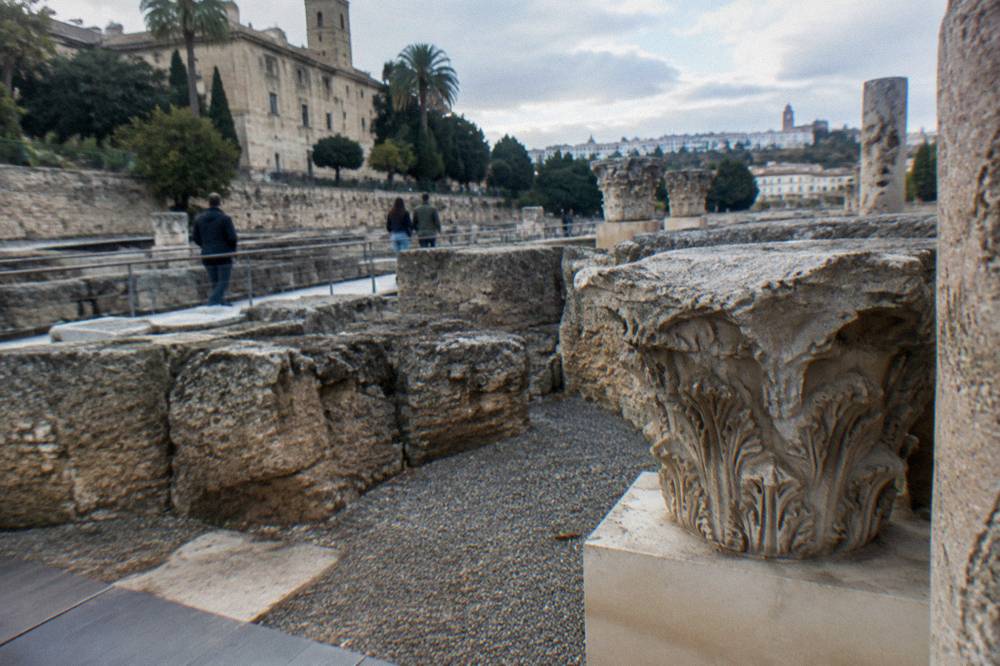
The Sinagoga in the Judería is the cheapest of the four and the one most visitors will pass anyway: EUR 0.30 for non-EU citizens, open Tuesday to Sunday from 9:00 to 15:00. It is one of the few medieval synagogues surviving in Spain and sits a few steps from the Plaza de Maimónides. The Museo Arqueológico y Etnológico, built around the remains of a Roman theatre in its basement, and the Museo de Bellas Artes, in the former Convento de la Merced, sit near each other in the old town and share the same EU rule.
Medina Azahara is the outlier geographically. The ruined caliphal city sits outside the city, has its own visitor centre, and charges non-EU citizens EUR 1.50. Its calendar is seasonal: Tuesday to Saturday 9:00 to 18:00 and Sunday 9:00 to 15:00 from 21 September to 20 March, with extended summer and spring schedules beyond that, and it closes on 1 and 6 January, 1 May and 24, 25 and 31 December. The shuttle from the visitor centre to the site itself is a separate matter, and its fare is not published, so budget for it at the desk.
If a museum day is the spine of your visit, a walk first gives the streets their context before the display cases do. The city's cardable walks on GuruWalk span the old town, the Judería and the hidden corners of the Axerquía, all pay what you want.
What Costs Money At Cordoba Museums?
The municipal museums charge outside the Thursday window and their listed free days, the Palacio de Viana patios cost EUR 8.50 with no free slot found, and the municipal combined ticket is a paid product. The Mezquita-Catedral is a separate regime entirely: EUR 15 general admission, with a free early slot Monday to Saturday 8:30 to 9:30 for individual visitors only. No free walk or museum ticket covers any of these.
Starting with the municipal side: outside Thursdays and the fixed free days, the five city museums charge admission, and there is a combined ticket, the Bono General, that bundles them at a price set by the city tariff. The Alcázar's own standard fee is contested between the municipal tariff and secondary listings, so this site deliberately prints no figure for it: pay at the gate and treat the fee as small. The Baños del Alcázar Califal, Julio Romero de Torres, Taurino and Fosforito each carry their own tariff on the same municipal schedule.
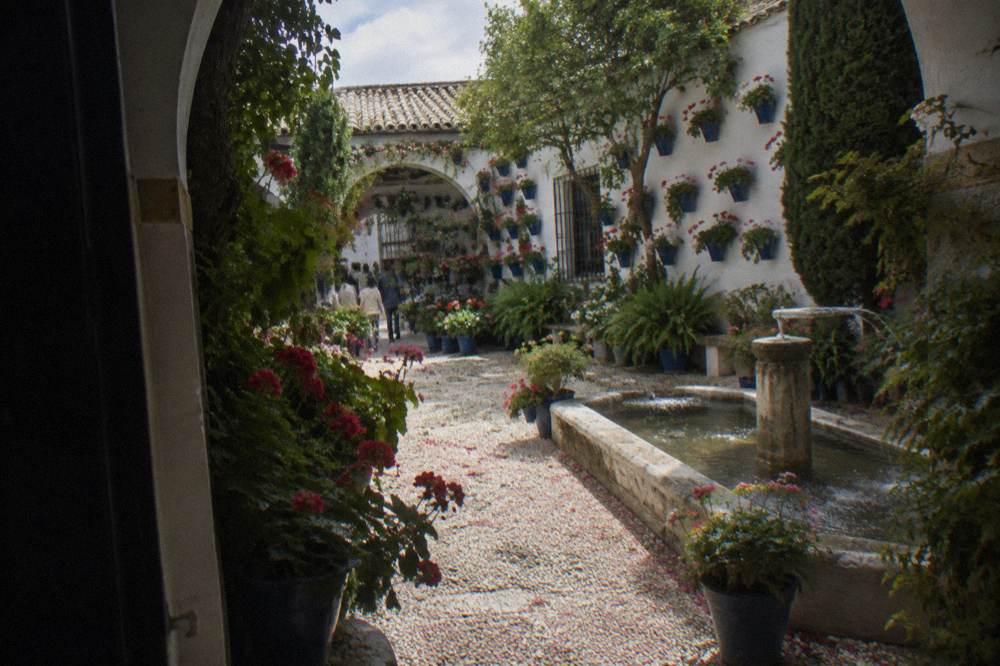
The Palacio de Viana is the clearest "not free, anywhere" case among the museum-like sites. Its patios cost EUR 8.50, it is open Tuesday to Saturday 10:00 to 19:00 and Sunday and holidays 10:00 to 15:00 through the autumn and winter season, and it closes on Mondays. The one exception is narrow: during the Festival de los Patios, its Patio de la Cancela participates as a free, out-of-competition patio. That is a festival-window rule, not a year-round one, and the rest of the palace's patios stay paid throughout.
On the Junta side, "costs money" means very little money for most readers: EUR 0.30 to EUR 1.50 for non-EU citizens. The genuinely expensive items sit outside the museum systems. The Mezquita-Catedral charges EUR 15 outside its early free slot, and its bell tower (EUR 4), the night visit El Alma de Cordoba (EUR 25) and the Fernandine churches route (EUR 6) are separate tickets the free slot does not touch. The Torre de la Calahorra museum inside the bridge tower costs EUR 4.50, even though the Roman Bridge and the riverbank viewpoint outside it are free public space.
| Site | Free route | What you pay otherwise |
|---|---|---|
| Municipal museums (five sites) | Thursday window and fixed free days | Standard tariff per site, or the Bono General combined ticket |
| Medina Azahara, Arqueológico, Bellas Artes, Sinagoga | Every open day, EU citizens with ID | EUR 0.30 to EUR 1.50 for non-EU citizens |
| Palacio de Viana | Only the Patio de la Cancela during the patios festival | EUR 8.50 for the patios |
| Mezquita-Catedral | Mon to Sat 8:30 to 9:30 slot, individuals only | EUR 15; bell tower EUR 4, night visit EUR 25, Fernandine route EUR 6 |
| Torre de la Calahorra | None found | EUR 4.50 |
Planning a paid museum hour into a day of free sightseeing works best when the day has a spine. This site's guide to spending a free day in the city walks through that arithmetic in detail, and the museums fit neatly into it.
Which Other Days Are Free At The Municipal Museums?
Beyond Thursdays, the municipal museums are free on 28 February, 8 September, 27 September and 17 December, on the Noche del Patrimonio, and, for the Julio Romero de Torres and Taurino museums only, on 18 May. These dates come from the city's fiscal ordinance for the current year and apply to everyone. The Junta museums are not part of this list at all.
The fixed dates map onto the city's civic calendar. Andalusia Day falls on 28 February, which in 2027 is a Sunday, and the Junta-run sites treat it as an opening holiday while the municipal museums simply open free. The September dates bracket the heritage season, and 17 December sits inside the Christmas programme. The Noche del Patrimonio, an evening when museums across the city open free, ran on 11 and 12 September in the 2026 edition; the 2027 dates had not been published when this page's sources were read, so treat that edition as past rather than as a template. Other pages covering the same trip are gathered on Free Things To Do In Cordoba.
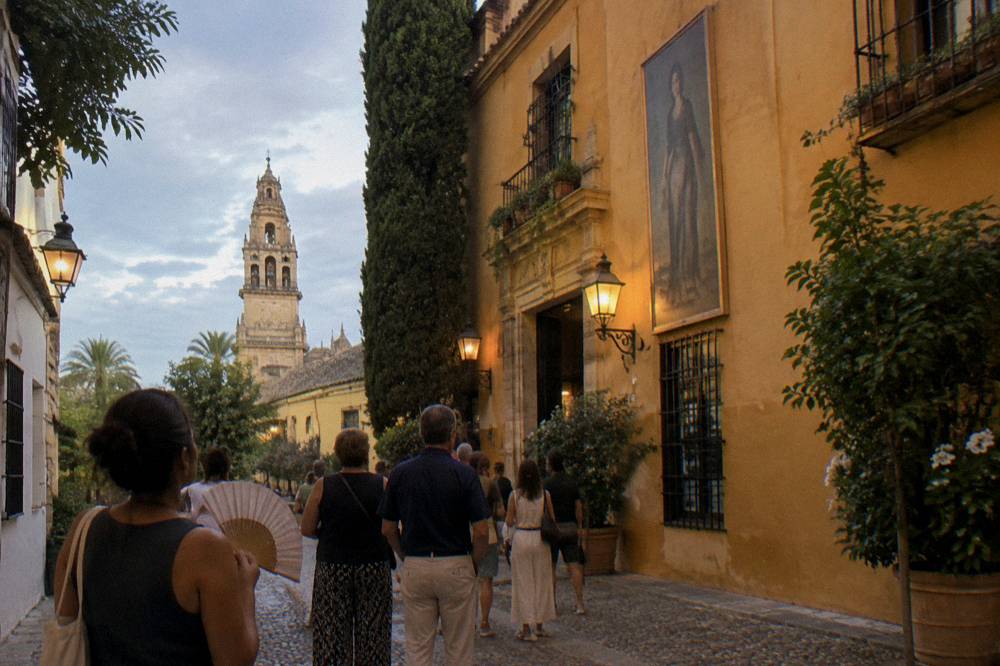
The 18 May quirk is worth stating precisely because partial free days get garbled in secondhand listings. Only the two museums named in the ordinance participate. Turning up at the Alcázar on 18 May expecting the same rule will end at the ticket desk. Likewise the Thursday window does not expand onto these festival days: each is a full-day free opening, which is more generous than a Thursday, but only at the sites the ordinance names.
If your visit lands on one of these dates, pair it with the free street life around the museums. The plazas and markets of the old centre cost nothing and sit between almost every museum door in the city, and the World Heritage Free Tour, 1H30, run by Córdoba Más on GuruWalk, meets at Plaza de las Tendillas and frames the city's World Heritage listing on a pay-what-you-want basis, rated 4.44 out of 5 across 25 reviews.
When Are The Municipal Museums Open?
From 16 September to 15 June, the municipal museums run Tuesday to Friday 8:15 to 20:15, Saturday 9:30 to 17:30 and Sunday and holidays 8:15 to 14:15. From 16 June to 15 September they run Tuesday to Sunday 8:15 to 14:15. They close on Mondays, 1 January and 25 December. The Thursday free window always occupies the last two hours of that day's access.
The winter and summer schedules differ enough to matter. In the cooler months the weekday opening is a long block stretching to 20:15, which is exactly why the Thursday free window lands at 18:00 to 20:15: the museum is at the end of its day. In summer the whole schedule compresses into the morning, and the Thursday window moves to 12:00 to 14:15 for the same reason. A visitor who memorises the winter window and turns up at 18:00 in July finds a museum that closed four hours earlier.
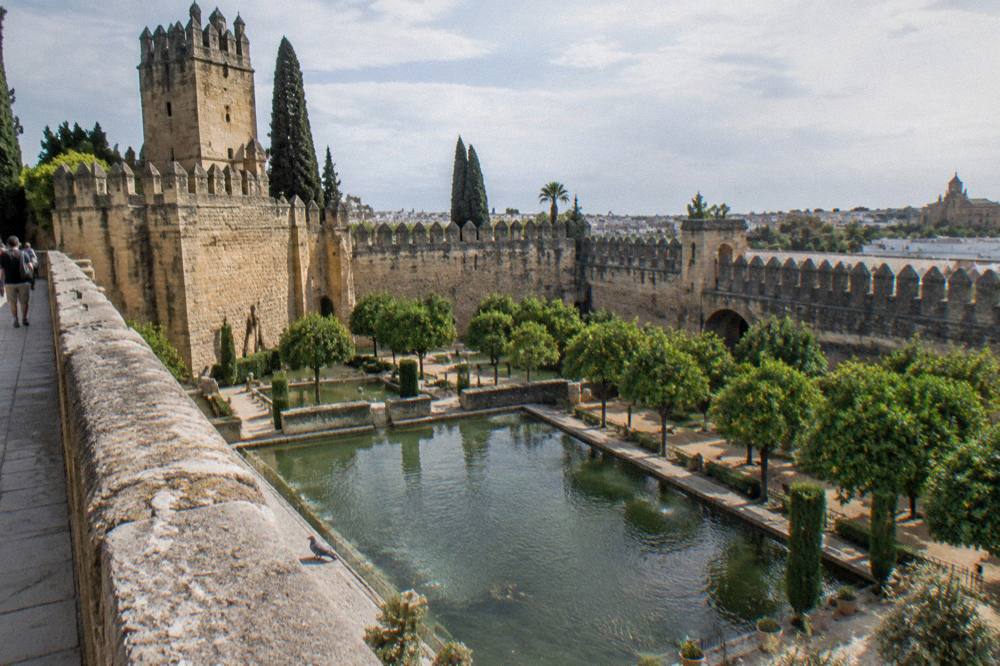
Mondays are the dead day, and 1 January and 25 December close everything. The municipal museums page has, in past years, listed extraordinary Monday openings for specific dates, but no such list is published for the current season, so plan on Monday being closed unless the museum itself says otherwise. Hours can also shift for special events, which is a standing caveat on the city's own schedule.
The Junta museums keep entirely separate calendars, which is one more reason not to merge the regimes in your head. Medina Azahara's seasonal schedule was given above; the Sinagoga runs Tuesday to Sunday 9:00 to 15:00 and was closed for a restoration stretch in July 2026, a reminder that small sites close for works without much notice. The Museo Arqueológico and Bellas Artes follow the Junta's standard cultural-agenda hours rather than the city's, so check each site's own page when a visit matters.
| Season | Tue to Fri | Saturday | Sunday and holidays | Closed |
|---|---|---|---|---|
| 16 Sep to 15 Jun | 8:15 to 20:15 | 9:30 to 17:30 | 8:15 to 14:15 | Mondays, 1 Jan, 25 Dec |
| 16 Jun to 15 Sep | 8:15 to 14:15 | 8:15 to 14:15 | 8:15 to 14:15 | Mondays, 1 Jan, 25 Dec |
How Do You Combine A Free Museum Hour With Free Sights?
The working plan is to spend the day on free public space, the Judería, the Roman Bridge, the plazas and the riverside, then enter a municipal museum during the free two-hour Thursday window. In winter the 18:00 start leaves the afternoon fully free for streets, while the summer 12:00 to 14:15 slot makes the museum a midday anchor with the afternoon left over, and everything is walkable in the historic centre.
The geography helps. The Alcázar, the Baños del Alcázar Califal and the Julio Romero de Torres museum sit within a few minutes of each other around the western edge of the old town, near the Judería and the Puerta de Almodóvar. The Taurino museum and the Fosforito centre sit by the Plaza del Potro and the Corredera side. Picking one cluster rather than racing between them is the realistic move: the window is two hours and capacity applies, so one museum, chosen in advance, is the sane plan.
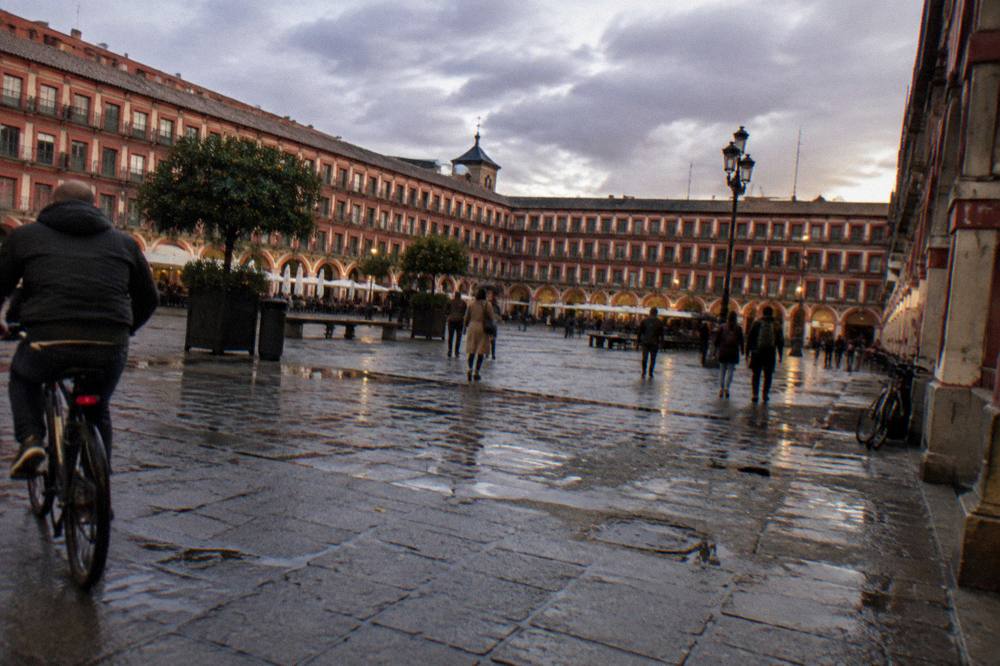
The free connective tissue between them costs nothing. The Judería's streets and the Calleja de las Flores are public space, the Roman Bridge and the south-bank Mirador de la Calahorra viewpoint are open around the clock, and the Plaza de la Corredera, Plaza de las Tendillas and Plaza del Potro are free squares. The Roman Bridge and Calahorra viewpoint guide covers that side of the river, and the free gardens and riverside walk strings the green spaces together. A day built this way spends nothing until the museum choices you actually want to pay for.
A free walk slots into the morning of either version. The English Hidden Gems Free Tour, run by Cordobaecoexperience on GuruWalk, meets at Plaza de las Tendillas and runs an hour and a half in English about the city's popular culture, rated 4.56 out of 5 across 98 reviews, pay what you want. It pairs well with an afternoon museum window because the meeting point sits between the two museum clusters.
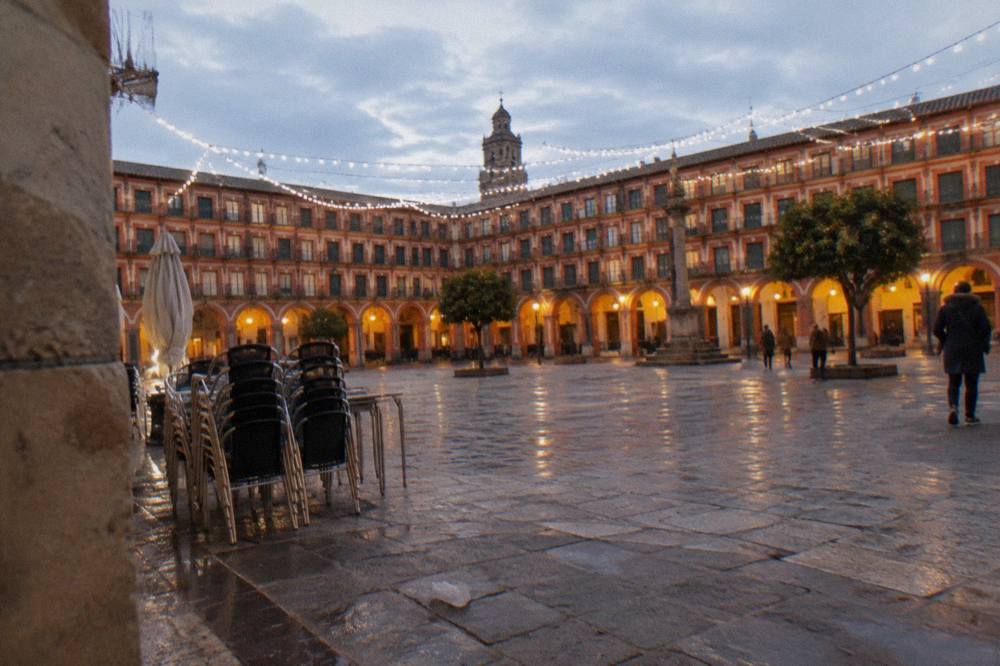
For the evening after a winter Thursday window, the seasonal calendar does the rest. Noche Blanca del Flamenco on 19 June 2027 is free to watch in public space, Semana Santa from 21 to 28 March 2027 fills the streets with processions anyone can stand and watch, and the Christmas programme from 1 December 2026 to 6 January 2027 is a free public spectacle. None of it needs a ticket, and all of it sits within walking distance of the museums.
Mistakes That Trip People Up At Free Museums In Cordoba
The recurring errors are merging the three museum regimes, assuming Sunday carries a free scheme, treating the EU rule as a day rule, and expecting patios to be free year-round. Each mistake sends visitors to a ticket desk that was never going to let them in. The fixes are one-line rules, and they are worth carrying into the city.
The first mistake is treating "free museums" as one system. Cordoba has a municipal Thursday regime, a Junta nationality regime and a Cabildo regime at the Mezquita-Catedral, and they do not borrow from each other. The Thursday window will not get you into Medina Azahara, an EU passport will not waive the Alcázar's fee on a Tuesday, and nothing free covers the bell tower. This site's homepage breaks the three regimes out plainly if you want the summary.
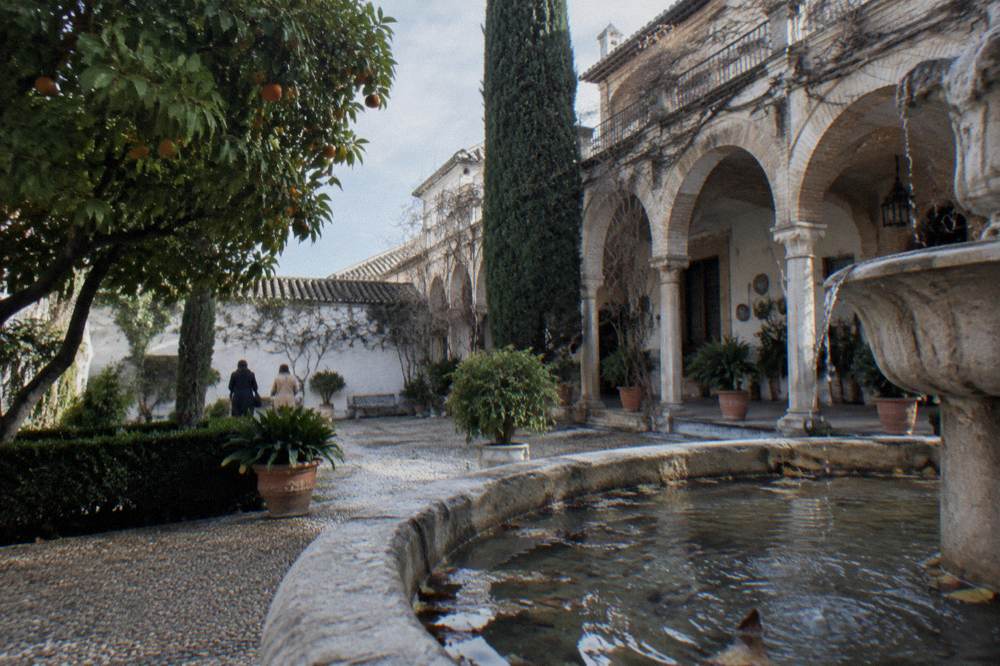
The second is the Sunday assumption. There is no Sunday free scheme at the municipal museums; Sunday simply has shorter hours, 8:15 to 14:15 in winter. The third is printing "free for EU citizens" without the condition, which strands non-EU visitors at the desk expecting zero and paying EUR 0.30 to EUR 1.50; the amounts are trivial, but the surprise is avoidable. The fourth is the patios: private patios open free only during the Festival de los Patios, 3 to 16 May 2027, with no appointment system announced, and walking into them outside that fortnight is not on offer. Palacio de Viana's patios stay paid even during the festival, apart from its one out-of-competition patio.
Two smaller traps close the list. A holiday Thursday has no free window, so check the calendar for the date you plan. And the capacity cap is real: the window is "until capacity", which is the city's own wording, so arriving at the start of the window rather than the end is the practical reading of it.
Common Questions About Free Museums In Cordoba
Are museums free on Sundays in Cordoba?
No. The municipal museums have no Sunday free scheme; Sunday is simply a shorter opening day, 8:15 to 14:15 in the winter season. Free access at the municipal museums runs on non-holiday Thursdays for the last two hours, plus the fixed free dates listed by the city ordinance. The Junta museums are free for EU citizens on Sundays as on every open day.
Is the Alcazar free?
Only inside the free windows: the Thursday last-two-hours scheme and the fixed free dates. Outside those, it charges a small fee whose exact figure is disputed between the municipal tariff and secondary listings, so expect to pay at the gate. Its Thursday window is 18:00 to 20:15 in winter and 12:00 to 14:15 in summer, until capacity.
Is Medina Azahara free?
It is free every open day for accredited EU citizens showing an EU passport or national ID. Everyone else pays EUR 1.50. It is a Junta de Andalucía site with its own seasonal calendar, closed Mondays except holiday eves, and closed on 1 and 6 January, 1 May and 24, 25 and 31 December. The visitor-centre shuttle is separate.
Is the Synagogue free?
For accredited EU citizens it is free on every open day. Non-EU visitors pay EUR 0.30, the smallest museum fee in the city. It opens Tuesday to Sunday from 9:00 to 15:00 and closes Mondays, and it is a Junta site, so the municipal Thursday window does not apply to it in either direction.
Which day is best for free museums in Cordoba?
A non-holiday Thursday, because the last two hours of access are free at all five municipal museums for everyone. In winter that means arriving for 18:00; in summer, for 12:00. If your Thursday is a public holiday, the window does not run, so the fixed free dates become the fallback worth checking against your travel dates.
Do free walking tours include the museums?
No. The pay-what-you-want walks on GuruWalk and freetour.com cover the streets and the city's story, not museum interiors, and no walk's listing includes entry. Museum free access comes only through the schemes on this page. The walks still pair well with a museum hour, since most meeting points sit inside the historic centre.