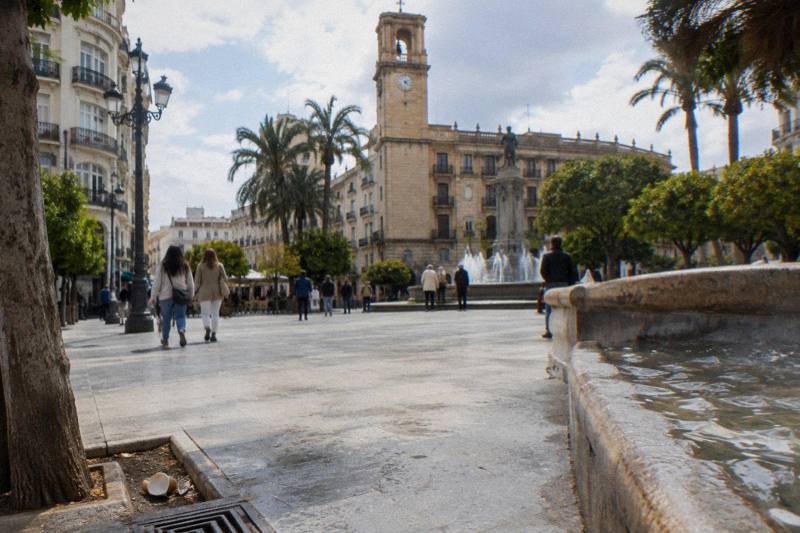
Free Gardens And Riverside Walks In Cordoba
Cordoba's green side splits into genuinely free public gardens, gardens tied to paid or conditional monuments, and a riverbank that costs nothing at all. Here is the honest split, plus the free walking tours that meet nearby.
In Short
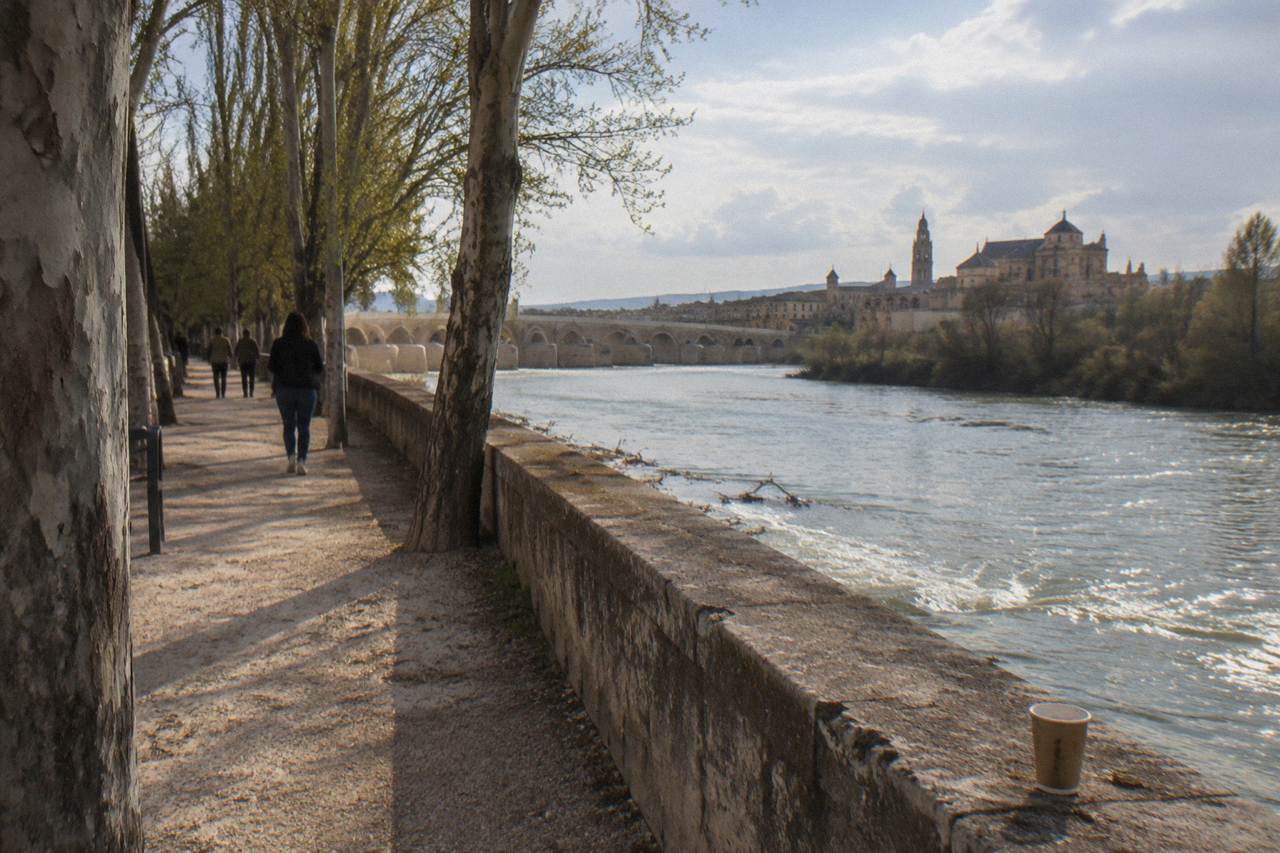
The Jardines de la Victoria, the Jardines de la Agricultura, the Campo Santo de los Martires and the full Guadalquivir riverbank including the Paseo de la Ribera are free public space. The Jardines del Alcazar de los Reyes Cristianos are conditional, free only in the municipal museums' Thursday window. The Jardin Botanico and the Alcázar's Naturaleza Encendida night show are paid, with no free slot found.
Part of the Free Things To Do In Cordoba guides.
Quick Facts
| Question | Answer |
|---|---|
| Which gardens are free public space? | Jardines de la Victoria, Jardines de la Agricultura, Campo Santo de los Martires, Parque Periurbano Los Villares |
| Is the riverside free? | Yes, the Paseo de la Ribera and the Guadalquivir banks are public space, free around the clock |
| Which gardens are conditional? | Jardines del Alcazar de los Reyes Cristianos, free only in the municipal museums' non-holiday Thursday window (winter 18:00 to 20:15, summer 12:00 to 14:15) |
| What costs money? | Jardin Botanico, the Alcázar's Naturaleza Encendida night show, Palacio de Viana's patios at EUR 8.50 |
| Does the Alcazar have a stated price? | No figure is printed here; sources disagree, so expect a small fee at the gate outside the free windows |
| Nearest free walk platforms | GuruWalk and freetour.com, both pay what you want |
Which Gardens And Riverside Walks In Cordoba Are Free?
The Jardines de la Victoria, the Jardines de la Agricultura, the Campo Santo de los Martires and the Parque Periurbano Los Villares are free public green space, as are the Paseo de la Ribera and both banks of the Guadalquivir, open around the clock as streets and parks rather than ticketed sites. None of these asks for a ticket, a booking or a tip to enter, because all of them are simply part of the city.
Cordoba's green geography falls into two halves. North and west of the historic centre sit the city's great promenade parks, the Jardines de la Victoria and the Jardines de la Agricultura, which Cordobans use as their everyday promenade. South lies the Guadalquivir, crossed by the Puente Romano and lined by the Paseo de la Ribera, a riverbank walk that is public space in the fullest sense. Between the two, small green pockets like the Campo Santo de los Martires sit inside the old town itself, a quiet walled garden steps from the Mezquita-Catedral's walls.
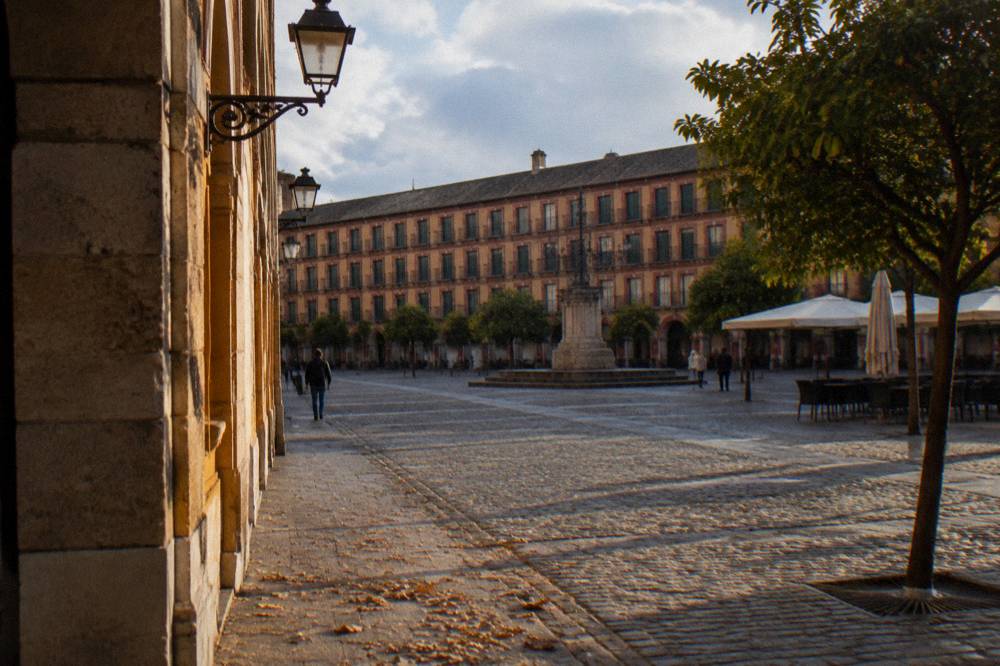
The Jardines de la Victoria are the anchor of the free green side and the reason many people search for this page in the first place. The gardens sit at the western edge of the centre, a short stroll from Plaza de las Tendillas, and they carry the classic Cordoban promenade character: shaded walks, benches, fountains and the monumental gates that frame the park's entrances. Because the gardens are unfenced public space, there is no opening ritual, no ticket desk and no closing time beyond the ordinary rhythm of a city park. That also means there is nothing to book, which is worth saying plainly in a travel era where visitors increasingly assume everything needs a reservation.
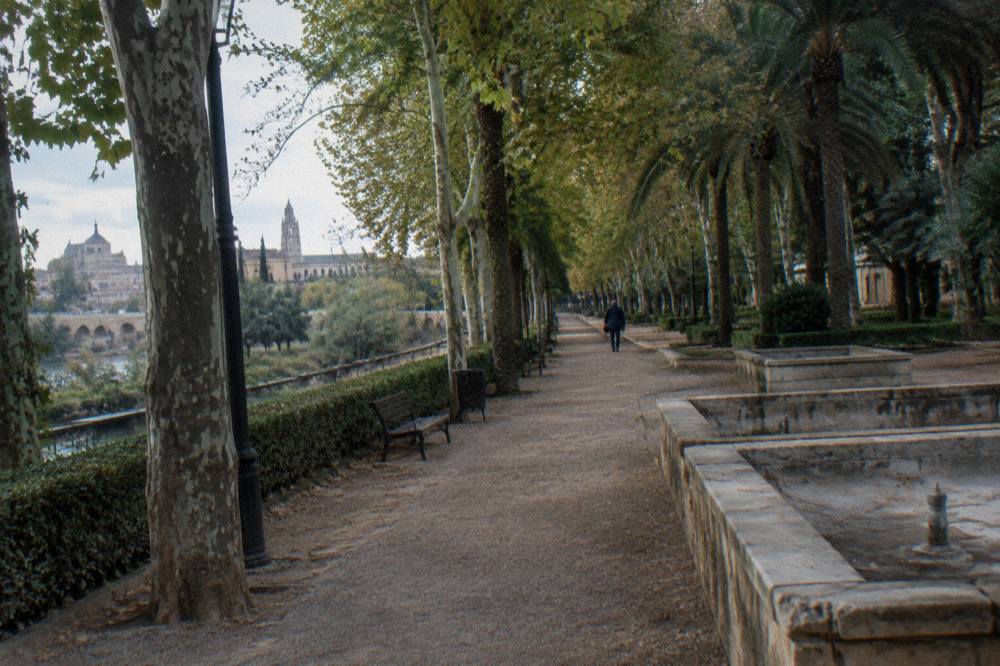
The Jardines de la Agricultura continue the same green corridor toward the Guadalquivir, and they are free on the same terms. This park is the looser and quieter of the pair, with wide lawns and mature trees, and it connects naturally toward the river if you are building a walking loop from the centre out to the water. The Campo Santo de los Martires is the third genuinely free green space, and the contrast is the point: instead of a promenade park it is a historic walled garden in the heart of the old town, small enough to cross in minutes and free to enter as public space.
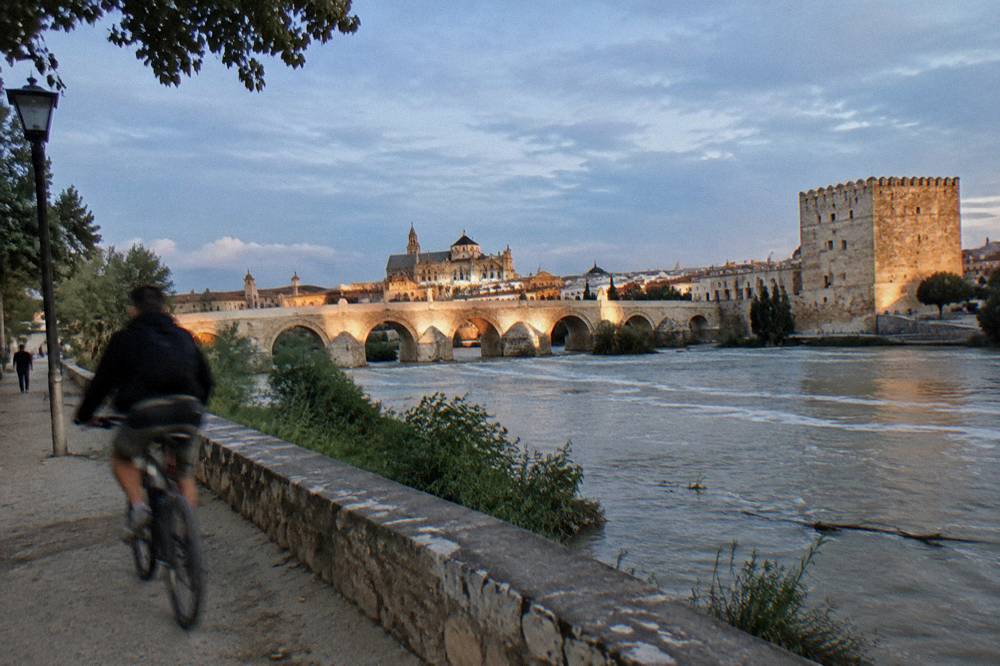
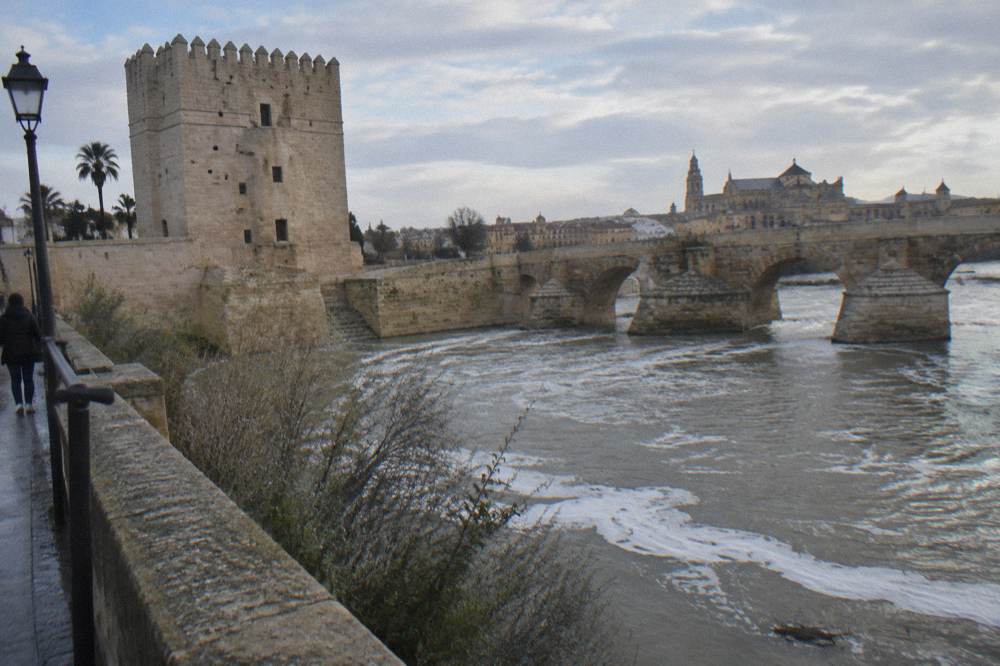
Out at the edge of the municipality, the Parque Periurbano Los Villares is the one large natural park on the free list, a peri-urban woodland rather than a garden. It is free, though it sits well outside the centre, so it belongs on the list for readers with a car or a long stay rather than for a first visit built around the old town. The riverside completes the free picture. The Paseo de la Ribera and the banks of the Guadalquivir are public space around the clock, from the water mills to the south bank viewpoint, and the riverbank is covered in more depth in the Roman Bridge and Calahorra viewpoint guide.
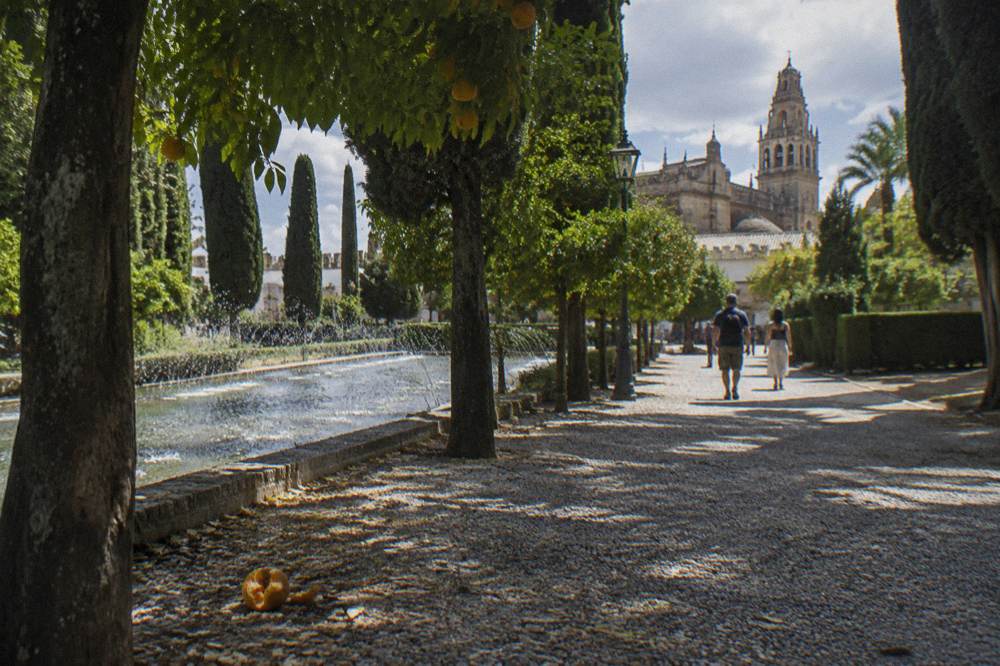
One boundary worth drawing early: the free gardens are free because they are public parks, not because someone waived a fee. That distinction matters the moment you step from a park into a monument garden, where different rules, windows and price regimes take over, and the rest of this guide is largely about where those lines fall.
Which Gardens Are Free Only At Certain Times?
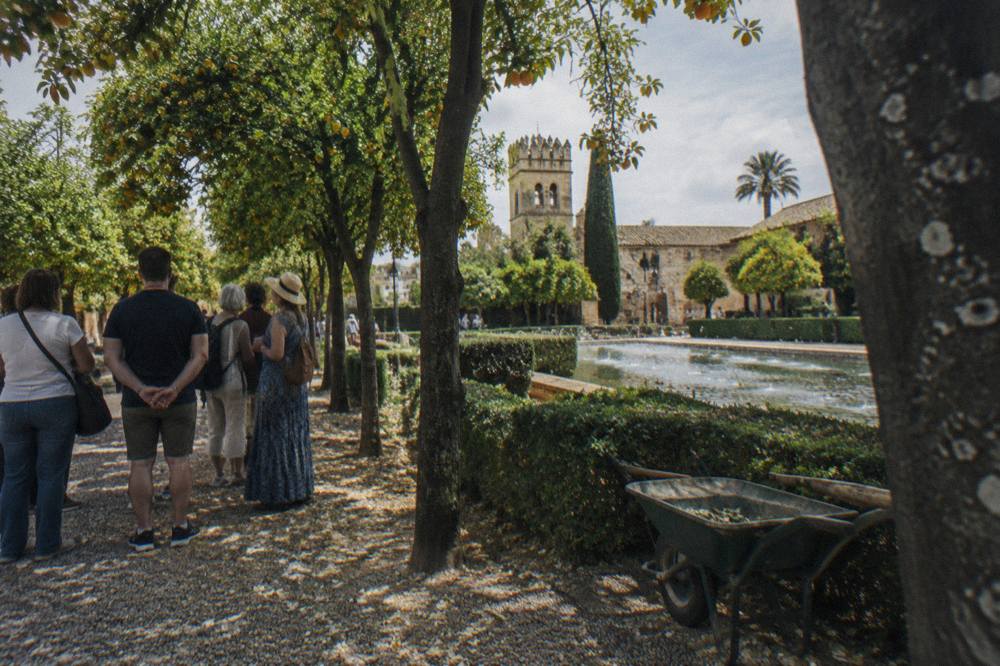
The Jardines del Alcazar de los Reyes Cristianos are the conditional case: they belong to the municipal museums scheme, free for everyone only in the last two hours of public access on non-holiday Thursdays, 18:00 to 20:15 in winter and 12:00 to 14:15 in summer, until capacity. Outside that window the gardens are seen on a paid Alcazar visit, at a small fee.
The Thursday window is the single most useful free mechanism in Cordoba for monument gardens, and it is a municipal rule that covers the Alcazar de los Reyes Cristianos, the Baños del Alcázar Califal, the Museo Julio Romero de Torres, the Museo Taurino and the Centro Flamenco Fosforito together. It is not a Mezquita rule and not a Junta de Andalucía rule: the city runs it, it applies on Thursdays that are not public holidays, and entry is subject to capacity, which is the honest caveat the municipal page itself attaches. The same scheme adds full free days on 28 February, 8 September, 27 September, 17 December and the Noche del Patrimonio, and the Julio Romero de Torres and Taurino museums are also free on 18 May.
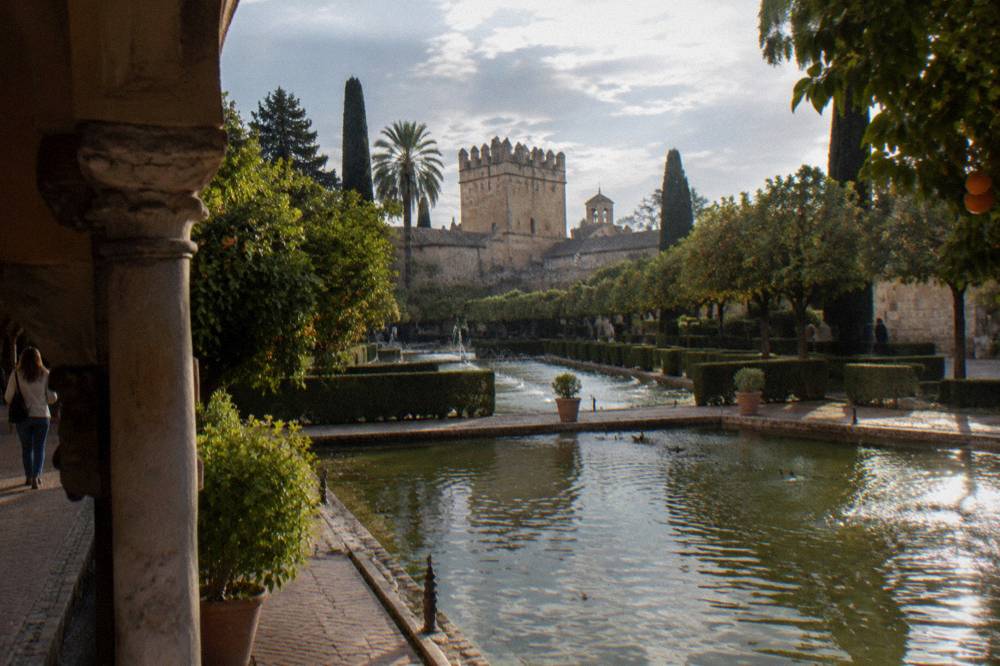
For a gardens-focused visit, the Alcazar's outdoor spaces are the prize of that window. The Jardines del Alcazar are the most monumental gardens in the city, structured in terraces with pools, fountains and clipped hedges below the fortress walls, and they are normally bundled with the palace visit rather than offered as a separate free-roam park. The Thursday window is therefore the one dependable route to seeing them without paying, and planning a Thursday arrival around 18:00 in the cooler months is a legitimately good tactic for a budget itinerary. The fuller picture of the building, its contested price and its free days is laid out in the Alcazar de los Reyes Cristianos guide.
Two warnings follow directly from the scheme's own wording. First, the window is the last two hours of public access, so arriving at the start of it matters; there is no all-day Thursday free run. Second, the municipal museums close on Mondays, along with 1 January and 25 December, so a Monday or holiday Thursday delivers a closed gate rather than a free one. The summer window flips to the middle of the day, 12:00 to 14:15, which changes the rhythm of a hot-weather itinerary completely, since the free hours and the midday heat now coincide.
| Garden or green space | Free status | Condition |
|---|---|---|
| Jardines de la Victoria | Free | Public park, no conditions |
| Jardines de la Agricultura | Free | Public park, no conditions |
| Campo Santo de los Martires | Free | Public space in the old town |
| Paseo de la Ribera and Guadalquivir banks | Free | Public space, around the clock |
| Parque Periurbano Los Villares | Free | Peri-urban park on the city's edge |
| Jardines del Alcazar de los Reyes Cristianos | Conditional | Free only in the Thursday window and on the municipal free days, until capacity |
| Jardin Botanico | Paid | No free slot found |
The riverbank, by contrast, has no windows at all, and that asymmetry is worth appreciating. The Paseo de la Ribera does not close, does not fill to capacity and does not change its rules by season, which makes it the dependable half of any gardens-plus-riverside day. A sensible pattern for visitors who want monument gardens without paying is to treat Thursday as the Alcazar day and the riverbank as the any-day spine of the trip.
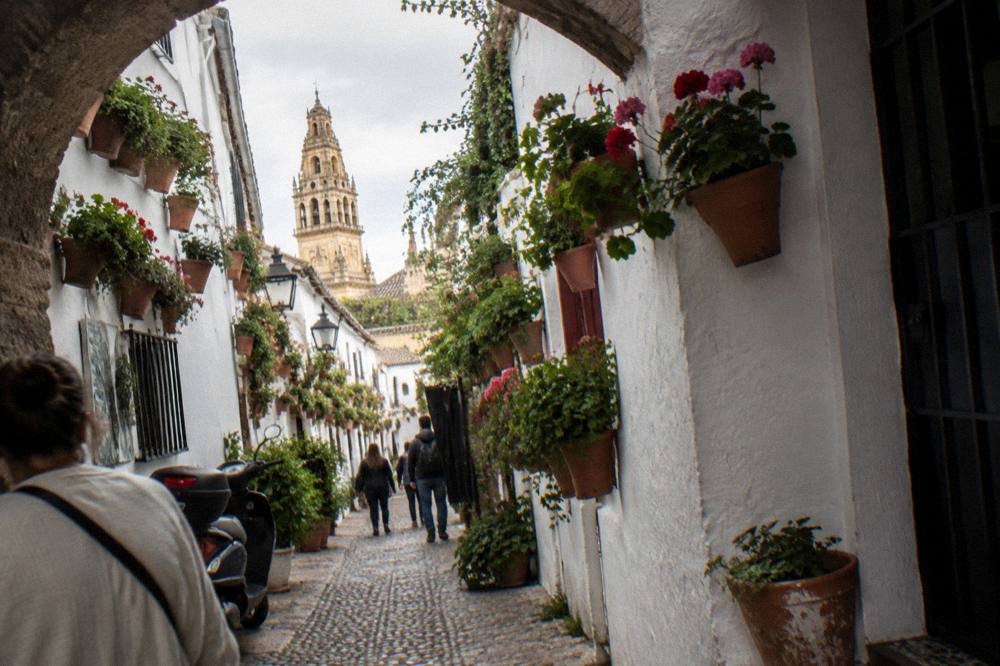
There is also a seasonal, conditional freebie that belongs in this section even though it is not a garden in the park sense: during the Festival de los Patios, 3 to 16 May 2027, the private courtyard gardens of the Judería and the Barrio de San Basilio open to visitors free of charge, with no appointment. That is the one moment in the Cordoban year when the city's most famous gardens, the patio gardens normally hidden behind private doors, become free to walk into. The full rules and dates sit in the Cordoba Patios Festival guide.
What Costs Money At The Cordoba Gardens?
The Jardin Botanico de Cordoba is paid with no free slot found, the Alcazar gardens' Naturaleza Encendida is a paid night show with its winter schedule and price unresolved, and Palacio de Viana's courtyard gardens charge EUR 8.50 for the patios. The Alcazar itself charges a small fee outside its free windows, and no reliable single figure for that fee can be printed because the official tariff and secondary sites disagree.

Start with the contested one, because it is the trap. The Alcazar de los Reyes Cristianos's fee appears in two conflicting versions across sources, EUR 7 in the municipal tariff and EUR 5 on several secondary pages, and until that disagreement is settled the honest instruction is simply to expect a small fee at the gate. What is not contested is the Thursday free window described above, so the garden visitor's arithmetic is straightforward: Thursday evening or the listed free days cost nothing, every other visit costs a modest amount confirmed at the desk.
The Jardin Botanico is the clearest paid case among the gardens themselves. It is a purpose-built botanical collection on the riverside, richer in labelled species than the promenade parks, and it is paid: no free entry window is published. That makes it the one garden on the riverside route where a budget itinerary has to make an actual choice. Visitors comparing it against the free Jardines de la Agricultura directly across the green corridor should know they are comparing a scientific collection with a free public park, and the free option is generous.
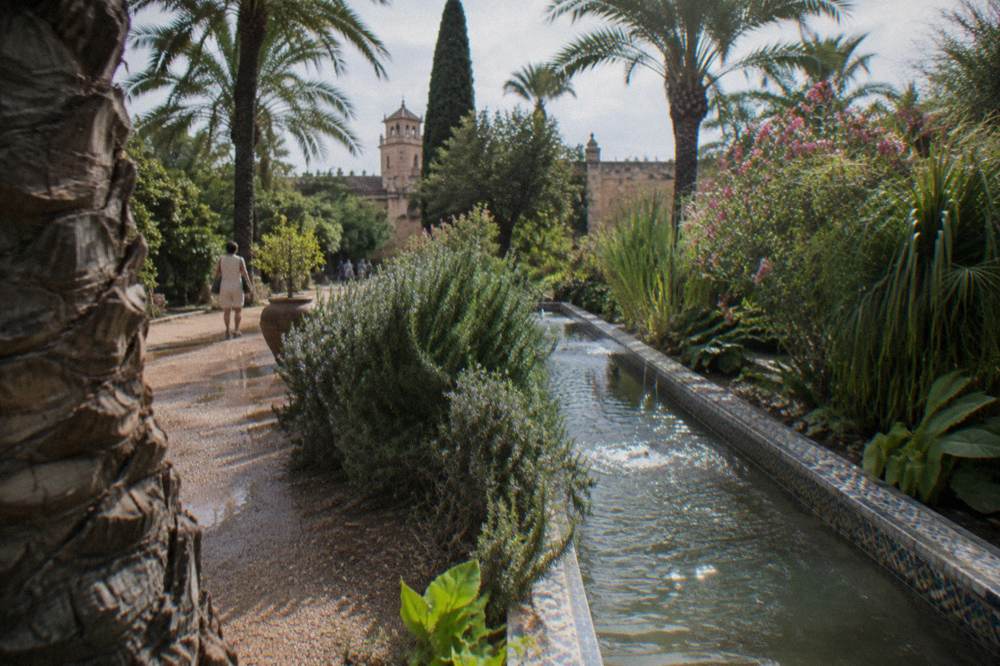
Naturaleza Encendida deserves its own line because it looks like a garden event and is priced like a ticketed show. It is an illuminated night show staged in the Alcazar gardens, it is paid, and its winter schedule and price are unresolved, so it should never be presented as a free evening garden opening. Similarly, Palacio de Viana is a museum palace whose twelve courtyard gardens are its main draw, and the patios cost EUR 8.50, even though its Patio de la Cancela participates as a free out-of-competition patio during the May festival. The details, including that festival exception, are unpacked in the Palacio de Viana guide.
Two paid items attach to the riverbank too, and they are worth separating from the free walk itself. The Torre de la Calahorra at the bridge's south end charges EUR 4.50 to go inside, even though the Roman Bridge, the riverbank and the south-bank viewpoint are free public space. And the Mezquita-Catedral's bell tower, visible from much of the riverside, is a separate EUR 4 ticket on top of the cathedral's own EUR 15 general admission. Free outside, paid inside, is the recurring structure here, and naming it plainly prevents most disappointment.
| Paid item | Price | What the free alternative is |
|---|---|---|
| Jardin Botanico | Paid, no figure printed | Jardines de la Agricultura, free |
| Alcazar de los Reyes Cristianos (outside free windows) | A small fee, figure contested | The Thursday window, free |
| Naturaleza Encendida night show | Paid, schedule and price unresolved | The riverbank at night, free |
| Palacio de Viana patios | EUR 8.50 | Festival patios in May, free |
| Torre de la Calahorra interior | EUR 4.50 | The bridge and viewpoint, free |
| Mezquita bell tower | EUR 4 | The free early slot covers the building only |
A note on what this guide deliberately does not say. Some questions, including whether the Patio de los Naranjos can be entered without a Mezquita ticket, are simply not confirmed, so this guide calls them neither free nor paid. Treat any confident claim you read elsewhere about free entry to that courtyard with caution.
If a guided walk appeals more than planning all of this alone, the Heritage Free Tour on this site's tour page is a pay-what-you-want option on GuruWalk that meets at Plaza de las Tendillas, the natural gateway between the centre and the Jardines de la Victoria.
When Can You Visit The Gardens And Riverside?
The free parks and the riverbank are public space with no stated hours or closing days, while the conditional Alcazar gardens follow the municipal museums calendar, closed Mondays plus 1 January and 25 December, with the free window in the last two hours of each non-holiday Thursday. The Patios festival's 2027 opening hours are unpublished, so no hours can be stated for May.
The municipal calendar matters most here because it is the only gardens schedule in Cordoba that is fully documented. For the Alcazar and its gardens, winter opening runs 16 September to 15 June with Tuesday to Friday hours of 8:15 to 20:15, Saturdays 9:30 to 17:30 and Sundays and holidays 8:15 to 14:15. Summer, 16 June to 15 September, compresses everything to 8:15 to 14:15, Tuesday to Sunday. The summer free window therefore sits inside the 12:00 to 14:15 band, and the winter one inside the evening. Closed days are Mondays, 1 January and 25 December, and the municipal page has in the past listed extraordinary Monday openings for specific dates, so a Monday visitor should check the city's own museums page for the current season.
The free parks answer the same question more simply. The Jardines de la Victoria, the Jardines de la Agricultura and the riverbank are unfenced public space, which means the city publishes no visiting hours for them and no closing days; they behave like streets. The Campo Santo de los Martires is a walled garden in the old town and is free public space on the same basis. None of that is a promise about lighting, safety or comfort at any hour, and this guide adds no advice beyond that.
Seasonality enters through the festival calendar rather than through opening hours. The Patios festival, 3 to 16 May 2027, is free entry with no appointment, and the only published 2026 contest hours, 11:00 to 14:00 and 18:00 to 22:00, cannot be carried over as a promise for 2027, because the 2027 hours are not yet published. The same festival window brings the Concurso de Rejas y Balcones, the balcony and railing competition, which is free to see on the same streets. Outside May, the private patios close their doors again, and the year-round free garden inventory is the one listed in the first section.
The river, finally, keeps one simple rhythm: the riverside is free public space in every month, with no seasonal restriction on walking it. If your visit lands on a Thursday, the free window at the Alcázar and the evening riverbank combine naturally, and that pairing is the closest thing Cordoba has to a perfect free day outdoors.
How Do You Combine The Gardens With Other Free Sights?
A practical free loop runs from Plaza de las Tendillas through the Jardines de la Victoria and the Jardines de la Agricultura down to the Guadalquivir, across the Puente Romano to the free south-bank viewpoint, and back into the Judería past the Calleja de las Flores and the Campo Santo de los Martires, with the Thursday Alcazar window slotting into the same geography if the day allows. Every piece of that loop is free public space.
The geography makes this easier than in most cities, because Cordoba's free green spaces and free old-town sights sit in a compact belt. The Jardines de la Victoria begin a few minutes west of Plaza de las Tendillas, the square where several free walking tours gather. The Jardines de la Agricultura continue the green corridor toward the river, and the Paseo de la Ribera delivers you to the Puente Romano. Crossing the bridge is free, the south-bank Mirador de la Calahorra is free public space, and the return into the Judería passes the Calleja de las Flores, the Plaza de Maimónides and the Synagoga's street, all free to walk.
The Alcazar gardens sit exactly on this loop, at the southern edge of the old town beside the river, which is why the Thursday window is so valuable: it converts a monument stop on an already-free route into a free one. On a non-holiday Thursday in winter, a walk that starts in the Jardines de la Victoria in the late afternoon can reach the Alcazar for 18:00, use the free window, and finish on the riverbank after dark. In summer the same logic runs at midday, 12:00 to 14:15, and pairs better with a riverside finish in the cooler evening.
| Free sight | Type | How it fits the gardens loop |
|---|---|---|
| Plaza de las Tendillas | Open public square | Starting point, and a free-tour meeting hub |
| Jardines de la Victoria | Public park | First green stop west of the centre |
| Jardines de la Agricultura | Public park | Continues the corridor toward the river |
| Paseo de la Ribera | Public riverbank | Delivers you to the Puente Romano |
| Puente Romano and Mirador de la Calahorra | Public bridge and viewpoint | Free crossing and free view from the south bank |
| Calleja de las Flores and the Judería lanes | Public streets | Return leg into the old town |
| Campo Santo de los Martires | Free walled garden | Quiet stop near the Mezquita walls |
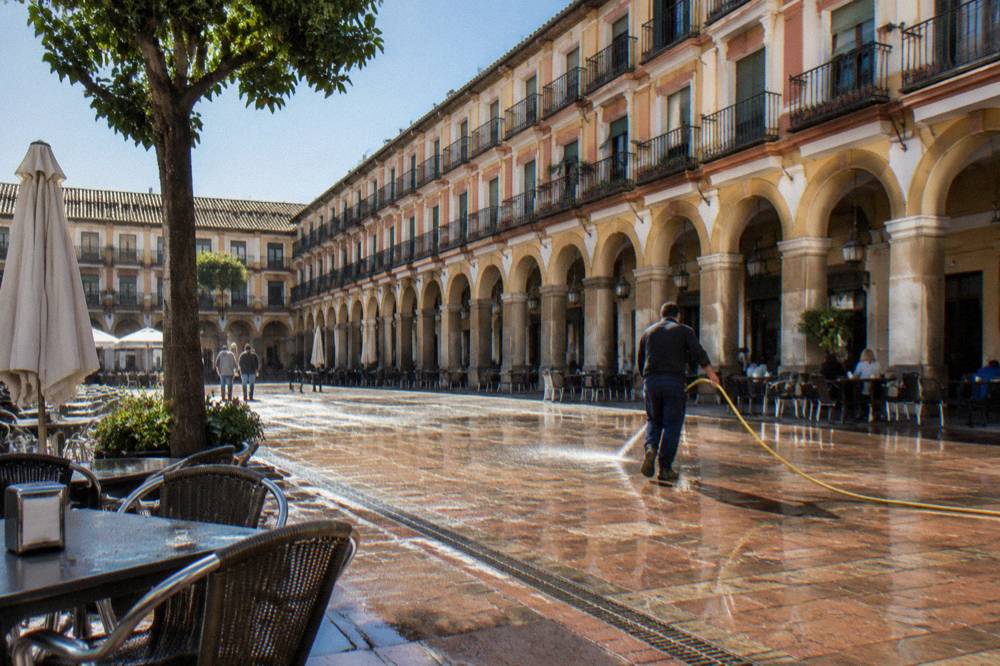
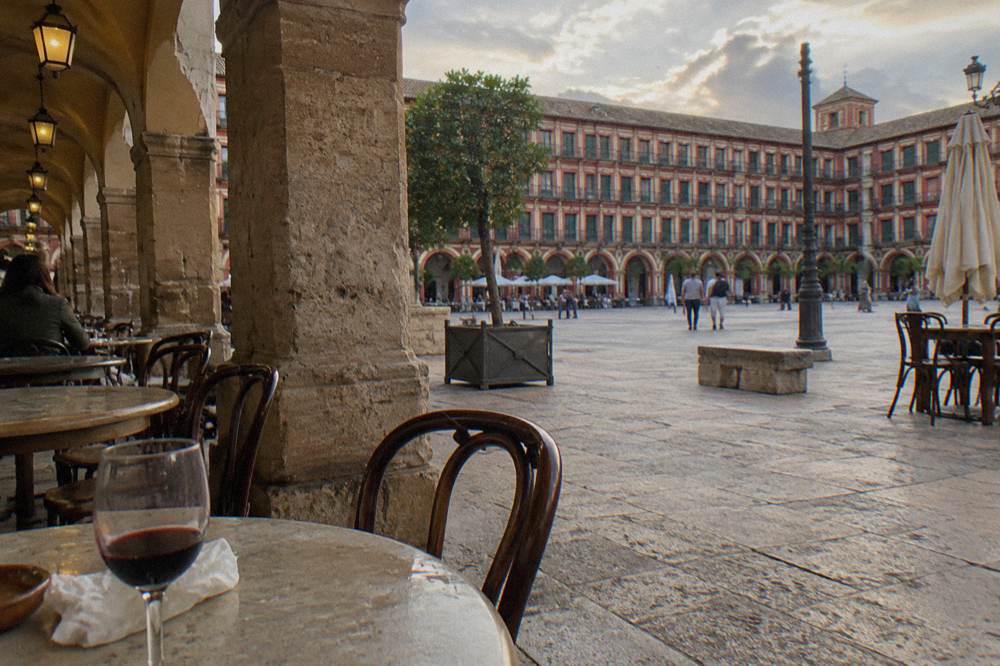
Other free pieces extend the day without cost. The Plaza de la Corredera, the Templo Romano seen from the street, the Puerta de Almodóvar and the city walls are all free public space, and several of them are covered in their own pages, including the guide to the plazas and markets. In May, the whole loop gains the patios layer, since the festival gardens open along the Judería and San Basilio streets that the loop already crosses. For a fuller treatment of the patios themselves, see the Judería and Calleja de las Flores guide.
One paid temptation sits inside this free loop and should be named as such: the botanical garden on the riverside. It interrupts nothing, it simply charges, so the choice is between a paid collection and the free parks on either side of it. Everything else on the loop holds its free status all year.
Which Free Walking Tours Meet Near The Gardens?
Free walking tours on GuruWalk meet at Plaza de las Tendillas, at the Roman Temple on Calle Capitulares, at Plaza de la Corredera, at Puerta de Almodóvar and at Plaza del Triunfo, and every one of these points sits within a short walk of the free gardens and riverbank described above. All of these walks are pay what you want, and the site's directory ships 26 of them across the city.
The Plaza de las Tendillas cluster is the most useful for a gardens-focused visit, because the square is effectively the front door of the Jardines de la Victoria. The Heritage Free Tour, 1 hour 30 minutes, run by WeTour on GuruWalk, rated 4.77 out of 5 across 752 reviews, meets there, as does the World Heritage Free Tour, 1 hour 30 minutes by Córdoba Más, 4.44 out of 5 from 25 reviews, and the English Hidden Gems Free Tour by Cordobaecoexperience, 1 hour 30 minutes, 4.56 out of 5 from 98 reviews. All of them are English-language or bilingual walks, and none charges a fixed price.
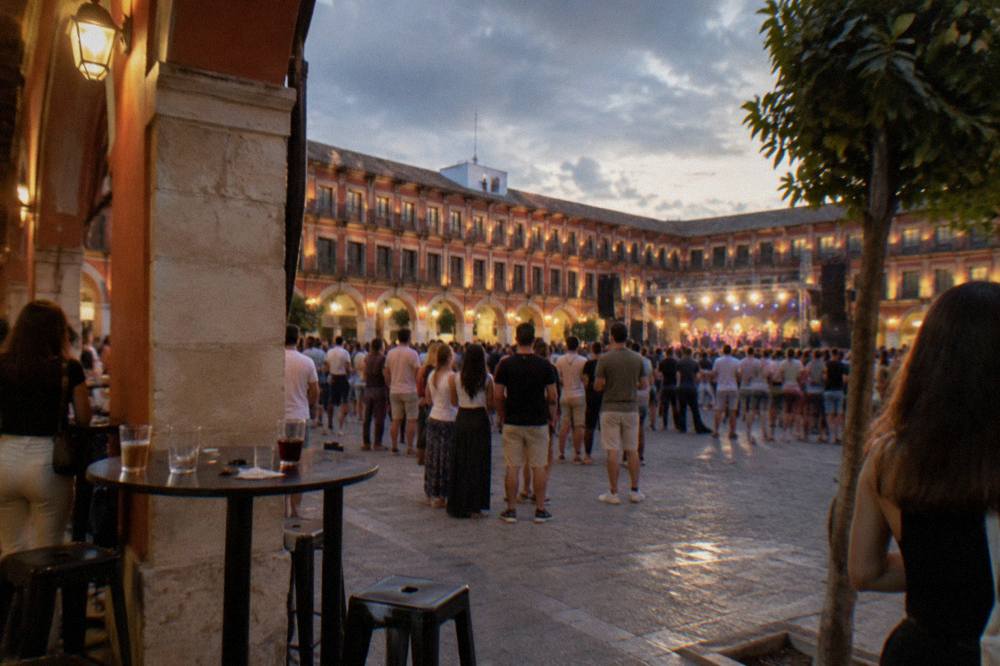
The Roman Temple on Calle Capitulares is the other great meeting hub, hosting the Best Of Free Tour by Andaloo Tours, 1 hour 45 minutes, 4.94 out of 5 across 3,732 reviews, the largest review pool on the roster, alongside the Unknown Side Tour by WeTour and the 2 Hour Small-Group English Tour by Jose Manuel, 4.88 out of 5 from 354 reviews. The temple itself is a free public sight, so the meeting point doubles as a free stop. At Puerta de Almodóvar, the Jewish Quarter Tour in English meets beside the old walls, and at Plaza de la Corredera the walks oriented to the Axerquía side of the city begin. The Roman Bridge area, Puerta del Puente at Plaza del Triunfo, anchors the riverside end of the map, right where the garden loop meets the water.
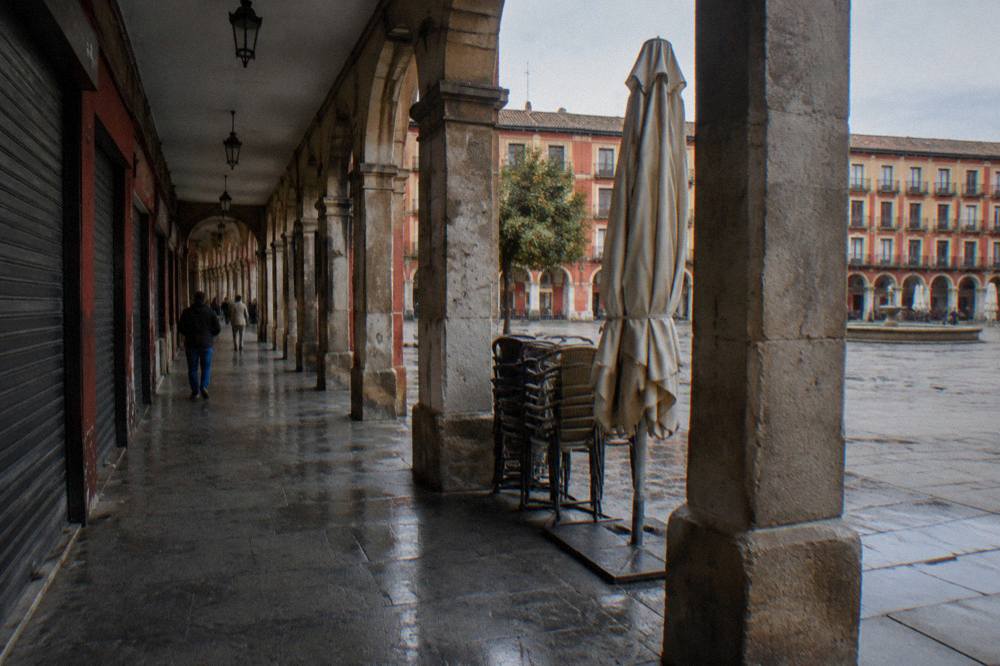
A word on how these walks relate to the gardens: a free walking tour is a guided street walk, pay what you want, and it is not a garden tour. It will not, and cannot, be described here as covering any particular landmark, since no verified routes exist beyond meeting points. What the walks offer the gardens visitor is orientation: the Tendillas and Temple walks start within minutes of the free parks and the riverbank, so pairing a morning walk with an afternoon following this guide's loop is a natural structure. If Spanish is your language, additional GuruWalk options meet at the same hubs, including the Altournative Complete Tour, 4.92 out of 5 across 3,035 reviews, and the Max 8 People Free Tour by Sergio, 4.96 out of 5 from 607 reviews.
How free tours work mechanically is a question in its own right, and the site answers it in full elsewhere, including how much to tip: there is no fixed charge, you pay the guide what you choose at the end, and booking a place through the guide's GuruWalk page costs nothing. That pay-what-you-want structure is also why this site never puts a money figure on a walk: the price is the tip, and the tip is the walker's decision. For readers entirely new to the model, the explanation in how free walking tours work in Cordoba and the practical numbers in what to tip a free tour guide are the two pieces to read first.
Mistakes That Trip People Up At The Cordoba Gardens
The common mistakes are assuming the Alcazar gardens are a public park, expecting the botanical garden to be free, treating the riverside as ticketed because the Calahorra tower is not, counting on patio gardens outside May, and planning a Monday visit to any municipal garden or museum. Each mistake comes from merging one free regime with another, and Cordoba runs separate regimes for its parks, its municipal monuments and its private patios.
The first mistake is the Alcazar assumption. Visitors hear "gardens" and picture the Jardines de la Victoria, then arrive at the Alcazar's gates expecting to stroll in. The Alcazar gardens are monument grounds, free only in the Thursday window and on the listed free days, and otherwise seen on a paid visit. The second is the reverse: paying for the botanical garden without knowing the free parks sit on either side of it, which is a legitimate choice but should be a choice.
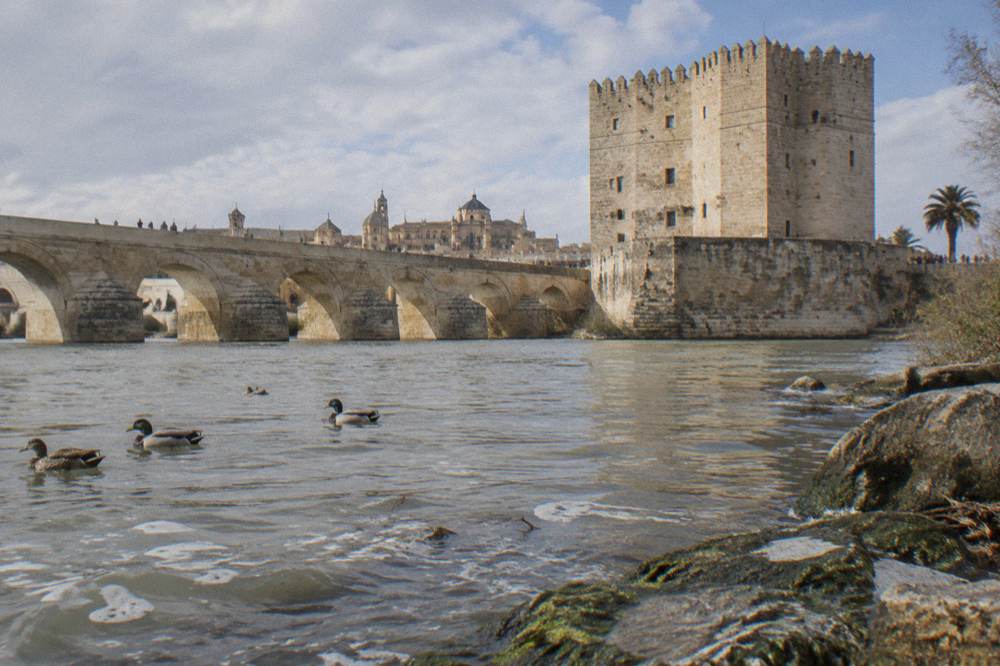
The third mistake is the tower-and-bridge confusion. The Puente Romano, the riverbank and the Mirador de la Calahorra are free public space, while the Torre de la Calahorra's interior costs EUR 4.50. Walkers who assume the tower must be free because the bridge is, or who assume the bridge must be paid because the tower is, have both got it wrong in opposite directions. The fourth is the patios mistake: outside the 3 to 16 May 2027 festival, the celebrated patio gardens of the Judería and San Basilio are private homes with closed doors, and Palacio de Viana's version charges EUR 8.50 all year. The fifth is the Monday trap: municipal gardens and museums close on Mondays, along with 1 January and 25 December, so the free Thursday plan dies quietly if the rest of the week is miscounted.
A final mistake belongs to readers who book a free walking tour and expect the gardens: no Cordoba walk has a verified route beyond its meeting point and neighbourhood, so no tour can be promised to pass through, enter or include any garden or monument. Book the walk for the guide and the orientation, and use this guide for the green spaces themselves. The umbrella planning picture, including how the gardens fit a full free itinerary, sits in the complete free things to do in Cordoba guide, and this page is part of the wider site, Free Things To Do In Cordoba.
Common Questions About Cordoba Gardens And Riverside Walks
Are the Jardines de la Victoria free?
Yes. The Jardines de la Victoria are unfenced public park space with no ticket, no booking and no stated hours; they function like a city street. They are the anchor of Cordoba's free green side and sit a short walk west of Plaza de las Tendillas.
Is the Cordoba riverside walk free?
Yes. The Paseo de la Ribera and the banks of the Guadalquivir are free public space around the clock, as is the Puente Romano and the south-bank Mirador de la Calahorra. Only the Torre de la Calahorra's interior is paid, at EUR 4.50.
Can you visit the Alcazar gardens for free?
Yes, but only in the municipal museums' free window: the last two hours of public access on non-holiday Thursdays, 18:00 to 20:15 in winter and 12:00 to 14:15 in summer, until capacity, plus the listed free days including 28 February and 17 December. Outside those times the visit is paid.
Is the botanical garden in Cordoba free?
No. The Jardin Botanico de Cordoba is paid, and no free-entry window is published for it. The free alternatives on the same green corridor are the Jardines de la Victoria and the Jardines de la Agricultura, both public parks.
When are the patio gardens free to visit?
Only during the Festival de los Patios, 3 to 16 May 2027, when private courtyards open free of charge with no appointment. The 2027 opening hours are not yet published. Outside the festival, the patio gardens are private homes, and Palacio de Viana's courtyards charge EUR 8.50 year-round.
Do any free walking tours meet near the gardens?
Yes. On GuruWalk, walks meet at Plaza de las Tendillas beside the Jardines de la Victoria, at the Roman Temple, at Plaza de la Corredera and at Puerta de Almodóvar, all pay what you want. Freetour.com also lists free tours in the city, including Historic Center and Monumental walks meeting at Tendillas and Puerta del Puente.