Cordoba In One Day: A Free Route From The Mezquita Hour To The River
One day is enough to see the free side of Cordoba if you start inside the Mezquita-Catedral free hour and work outward to the river, the Juderia and the old plazas. This route orders every free stop around that one fixed morning slot and names every part that still costs money.
In Short
Yes, one day covers Cordoba's free highlights. Start at the Mezquita-Catedral free slot, Monday to Saturday 8:30 to 9:30, individual visitors only, then walk the Juderia, Calleja de las Flores, the Roman Bridge and its south bank viewpoint, Plaza de la Corredera and Plaza de las Tendillas, all free public space. The Alcázar carries a small fee outside its free Thursday window.
Part of the Free Things To Do In Cordoba guides series, this route packs the city's free side into a single day built around one immovable morning slot.
Quick Facts
| Question | Answer |
|---|---|
| The one fixed free slot | Mezquita-Catedral, Monday to Saturday 8:30 to 9:30, last entry 9:20, individual visitors only, no groups |
| Who never pays at the Mezquita | People born or resident in the Diocese of Cordoba, children under 10, Andalucia Junta 65 card holders, over 64% disability plus companion, ICOMOS members |
| General Mezquita admission outside the slot | EUR 15 |
| Free all day, no ticket | Roman Bridge, riverbank, Juderia streets, Calleja de las Flores, Plaza de la Corredera, Plaza de las Tendillas, Templo Romano exterior |
| Free for EU citizens only | Medina Azahara, Museo Arqueologico, Museo de Bellas Artes, Sinagoga, others pay EUR 0.30 to EUR 1.50 |
| Free for everyone, Thursdays | Municipal museums, last two hours of opening: 18:00 to 20:15 winter, 12:00 to 14:15 summer, until capacity |
| Closing day to plan around | Municipal museums and Palacio de Viana close Mondays; Medina Azahara closes Mondays except holiday eves |
What Can You See For Free In One Day In Cordoba?
In one free day you can see the Mezquita-Catedral during its free hour, wander the Juderia and Calleja de las Flores, take in the Roman Bridge and south bank viewpoint, admire the Templo Romano columns, and stroll Plaza de la Corredera, Plaza de las Tendillas and the San Basilio patio streets, all at no cost. Only the interiors, such as the Alcázar, bell tower, Palacio de Viana and Calahorra tower, charge entry.
The honest starting point is that Cordoba splits cleanly into a free outdoor layer and a paid indoor layer. The free layer is unusually rich: the entire historic street network, the Guadalquivir riverbank, the Roman Bridge and a chain of public plazas from Plaza del Potro to Plaza de Capuchinos cost nothing and need no ticket, no booking and no timing. A visitor who never enters a single paid building still sees the outline of the city that made it a World Heritage site.
The paid layer is equally real. General admission to the Mezquita-Catedral outside the free slot is EUR 15, the bell tower is EUR 4 as a separate ticket, the night visit El Alma de Cordoba is EUR 25, and the Fernandine churches route is EUR 6. The Torre de la Calahorra inside the bridge's south tower is EUR 4.50. Palacio de Viana charges EUR 8.50 for its patios. None of those prices is covered by the Mezquita free slot, and a one day plan should treat them as choices, not defaults.
Two free-entry schemes sit inside that paid layer and are worth knowing before the day starts. Municipal museums, including the Alcázar de los Reyes Cristianos and the Baños del Alcázar Califal, open free to everyone for the last two hours on non-holiday Thursdays, until capacity. The Junta de Andalucía museums, Medina Azahara among them, are free every open day for accredited EU citizens only, with everyone else paying EUR 0.30 to EUR 1.50. Those are different schemes with different conditions, and neither applies to the Mezquita. The full breakdown lives in the free museums in Cordoba guide.
One day therefore works best as a walking day. Everything in this route sits inside the historic centre or on the river, the distances between stops are short city blocks, and the only decision that cannot be moved is the morning: the Mezquita free slot exists only between 8:30 and 9:30.
Which Free Stops Fit Around The Mezquita Free Hour?
The Mezquita-Catedral free visit runs Monday to Saturday from 8:30 to 9:30, with access stopping at 9:20, for individual visitors only: no groups, and none on days of extraordinary celebration. It is a 60 minute slot, not a free day. Build the morning backwards from it: enter at 8:30, leave by 9:30, and the Juderia, Calleja de las Flores and the river are all within a short walk of the gates.
That slot is the anchor of the whole day because nothing else in Cordoba is time-boxed this way. It excludes groups entirely, so anyone on a guided walk cannot use it, and the Cabildo notes hours can change for special events, so the day before, check the Cabildo's own schedule. What the free slot does not cover also matters: the bell tower at EUR 4, the night visit at EUR 25 and the Fernandine route at EUR 6 are separate tickets, and the slot covers none of them.
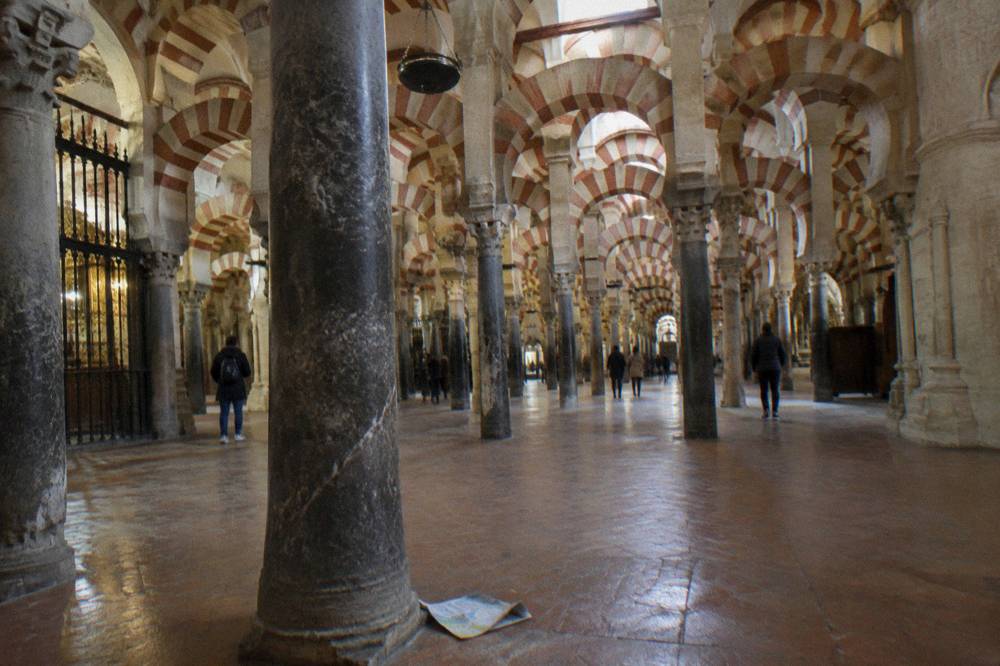
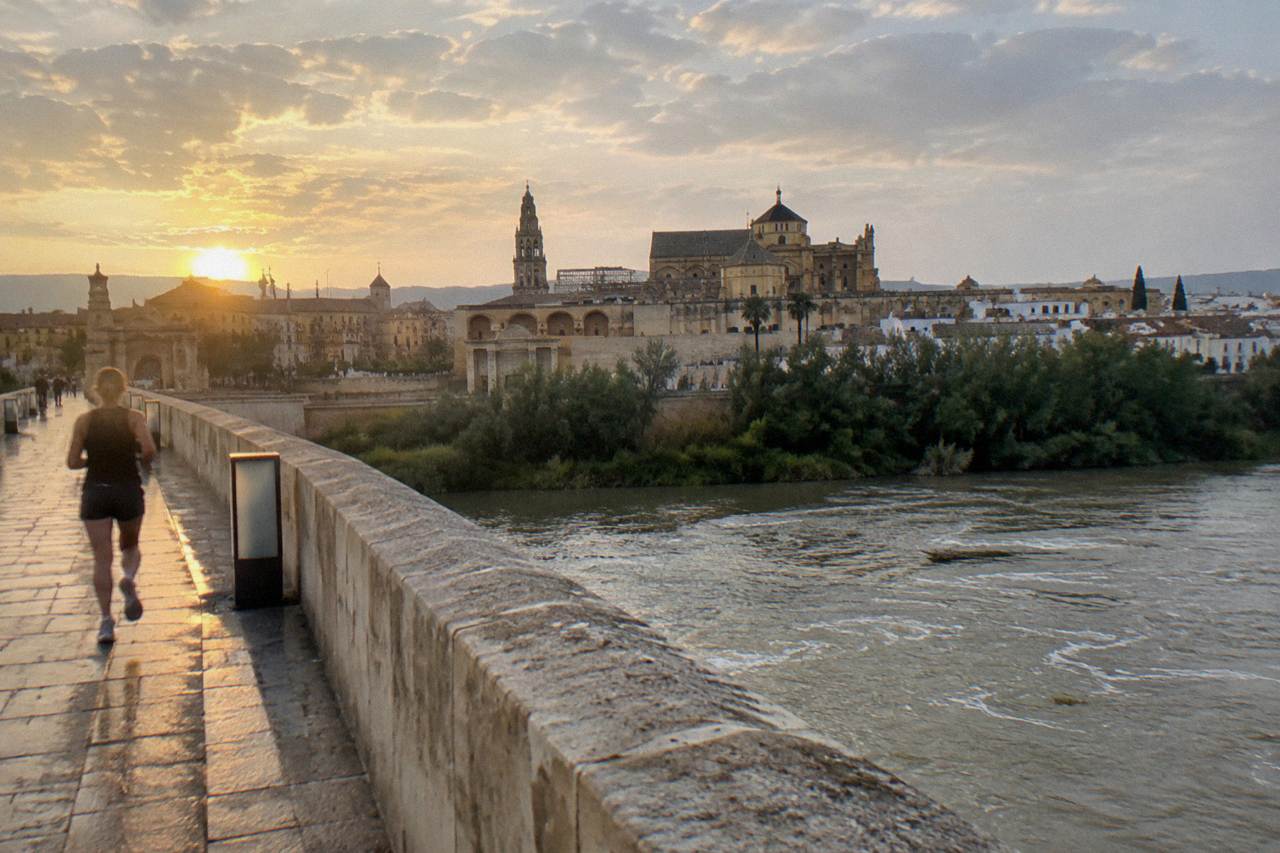
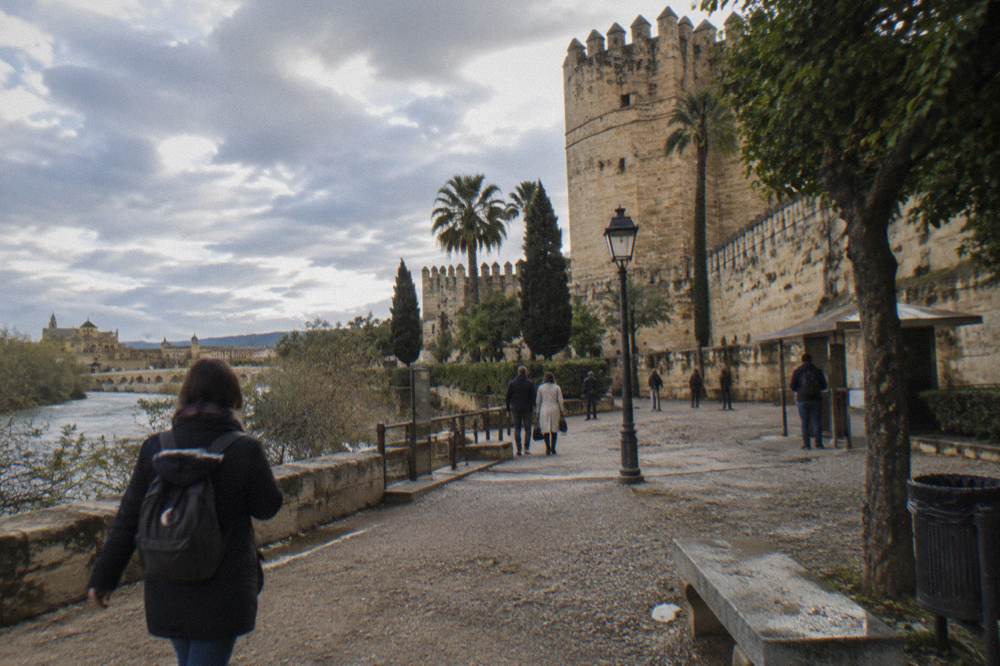
Straight after the slot, the natural flow is outward. The Puerta del Puente and the Triunfo de San Rafael stand at the Mezquita's doorstep in free public space. From there the Roman Bridge crosses the Guadalquivir with no ticket at any hour, and the Mirador de la Calahorra on the south bank gives the classic view back across the river to the building you just left. The bridge and riverbank are free 24 hour public space, while the Torre de la Calahorra at the bridge's southern end is paid inside at EUR 4.50, a distinction worth holding onto before you queue anywhere. The Roman Bridge and Calahorra viewpoint guide unpacks that split. One of the free walks starts in this part of the city: English Heritage Free Tour, 1H30.
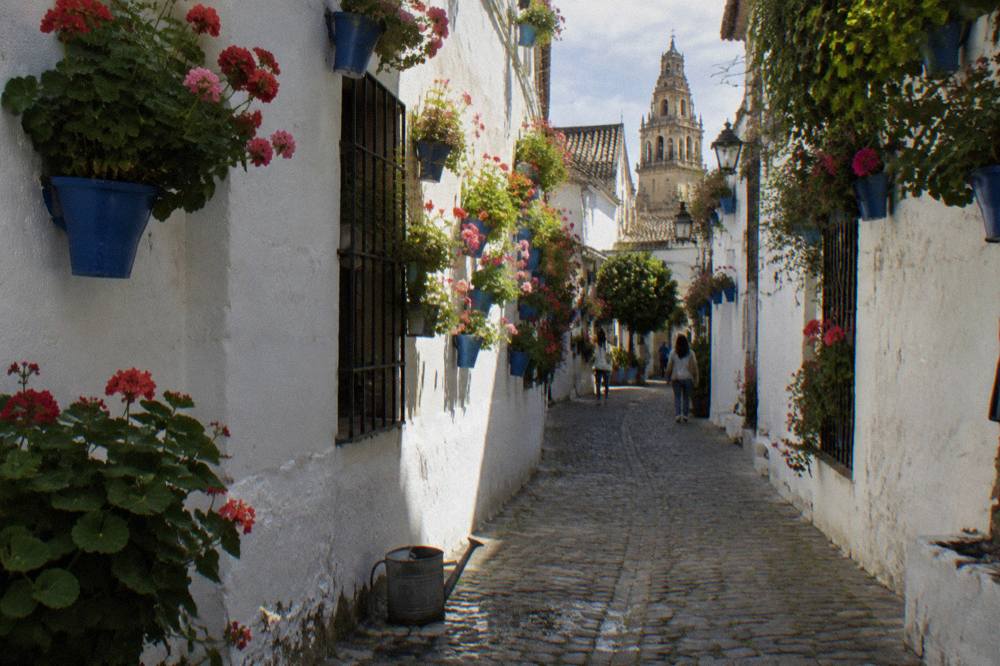
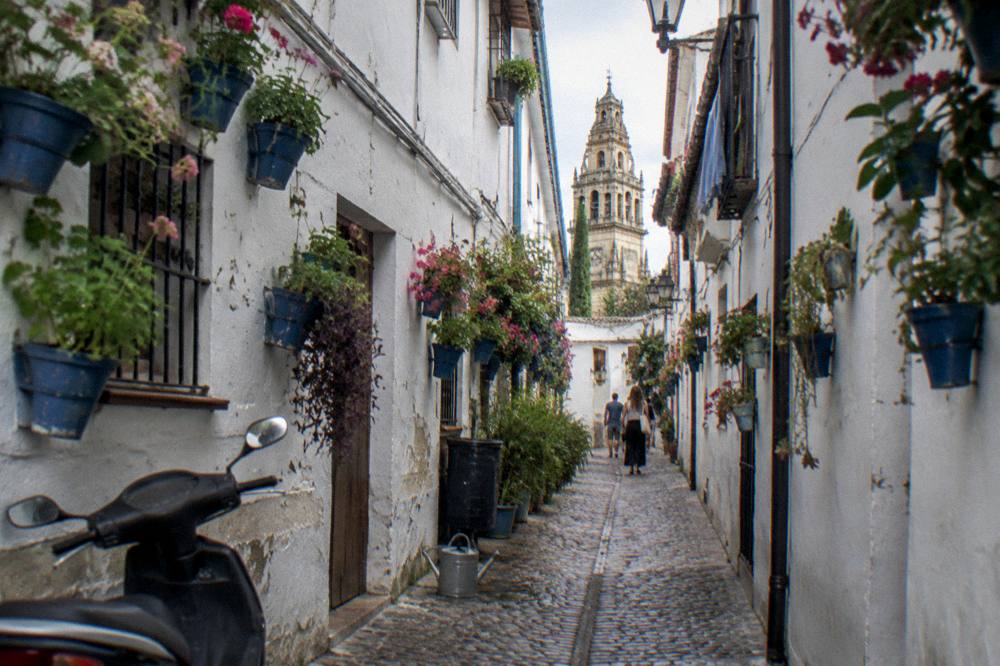
Back on the north bank, the Juderia wraps around the Mezquita's western flank. Its streets and alleys are free public space, and Calleja de las Flores, the narrow flower lined lane, is the single most photographed free spot in the city. The streets around Plaza de Maimonides and Plaza de Judios, the Sinagoga's square, belong to the same free network, though the Sinagoga itself follows the Junta rule: free for accredited EU citizens, EUR 0.30 for everyone else.
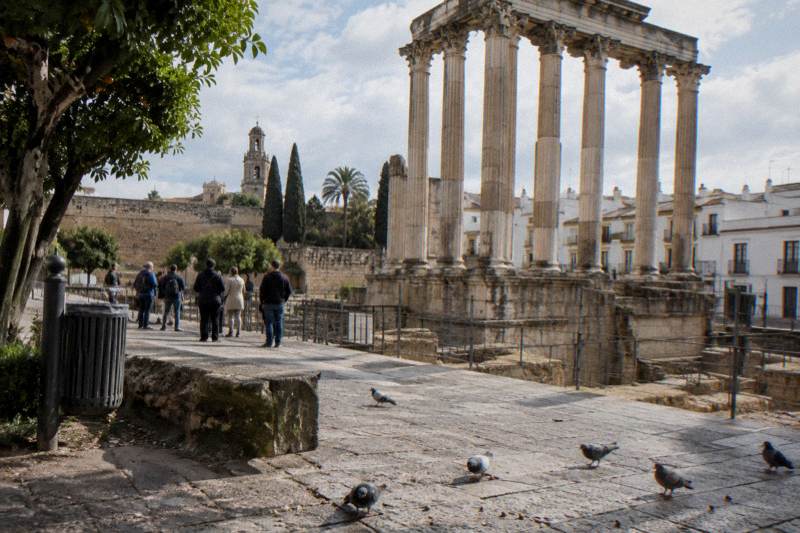
The Best Of Free Tour, 1H45 by Andaloo Tours is the related tour for this article because its meeting point, the Roman Temple on Calle Capitulares, sits directly on this route between the river loop and the northern plazas, and its 1 hour 45 minute length leaves most of a one day visit intact. It runs in English and Spanish on GuruWalk, rated 4.94 out of 5 across 3,732 reviews, the largest review pool of any walk on this site's roster of 26.
If the Mezquita slot has already passed by the time you read this, the rest of the day still works. The outdoor layer has no schedule at all, and the afternoon can absorb a pay what you want walk instead, covered lower down.
What Costs Money In A One Day Plan?
Inside one day, the reliable paid items are Mezquita general admission at EUR 15 outside the free slot, the bell tower at EUR 4, the night visit at EUR 25, the Fernandine route at EUR 6, the Torre de la Calahorra at EUR 4.50 and Palacio de Viana's patios at EUR 8.50. The Alcázar de los Reyes Cristianos charges a small fee outside its free windows, and no figure should be trusted until the gate confirms it.

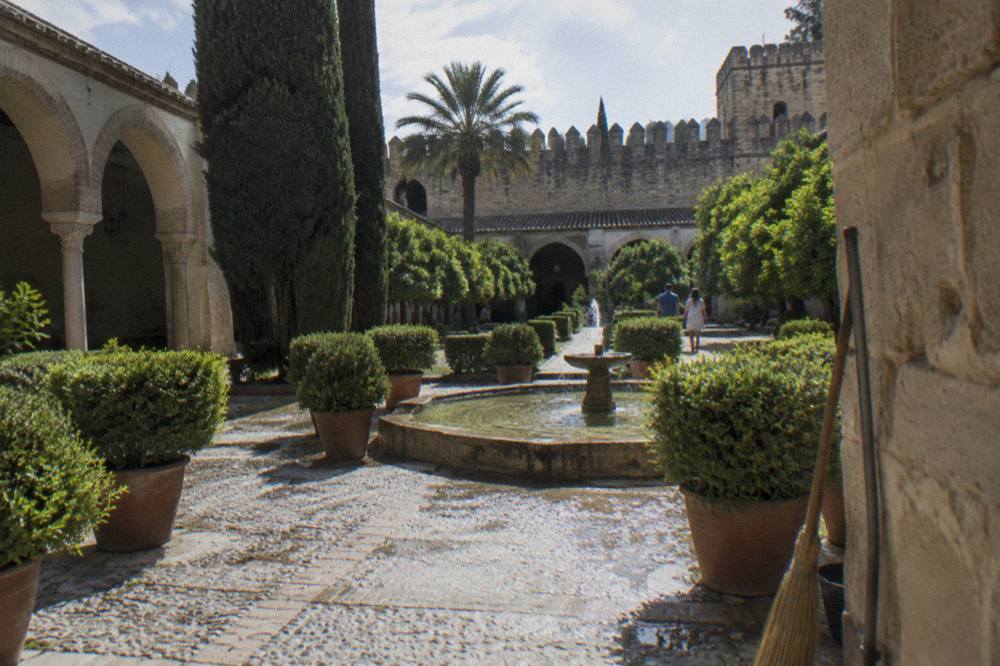
That last point is deliberate. The municipal tariff and several secondary sources disagree on the Alcázar price, so this site prints none. What is settled is the free window: non-holiday Thursdays, the last two hours of public access, 18:00 to 20:15 in winter from 16 September to 15 June and 12:00 to 14:15 in summer from 16 June to 15 September, for everyone, until capacity. The Alcázar also joins the other municipal museums in closing on Mondays, 1 January and 25 December.
| Item | Status | Price | Condition |
|---|---|---|---|
| Mezquita-Catedral, 8:30 to 9:30 | Free in the slot | EUR 0 | Monday to Saturday, individual visitors only, not on days of extraordinary celebration |
| Mezquita-Catedral, outside the slot | Paid | EUR 15 | Free all day only for Diocese residents and born, under 10, Junta 65 card, over 64% disability plus companion, ICOMOS |
| Mezquita bell tower | Paid | EUR 4 | Separate ticket, never covered by the free slot |
| El Alma de Cordoba night visit | Paid | EUR 25 | Separate evening ticket at 20:00 |
| Fernandine churches route | Paid | EUR 6 | One route ticket; individual church entry rules are not verified |
| Torre de la Calahorra | Paid | EUR 4.50 | The bridge itself outside is free public space |
| Palacio de Viana patios | Paid | EUR 8.50 | Its Patio de la Cancela is free only during the patios festival |
| Medina Azahara | Free for EU citizens | EUR 1.50 others | Free every open day for accredited EU citizens only |
| Alcázar de los Reyes Cristianos | Free Thursday window | Small fee otherwise | Last two hours, non-holiday Thursdays, until capacity |
Medina Azahara deserves a separate word because a one day plan is exactly where it causes trouble. It sits outside the city, its own site keeps longer hours than most municipal museums, and reaching it eats hours that the historic centre needs. Free for accredited EU citizens or EUR 1.50 for everyone else is the entry picture, with a shuttle from the visitor centre whose fare this site does not print because no official figure has been read. Spanish language free walks meet at the Medina Azahara Visitor Centre and are pay what you want for the guiding, but the site entry is bought separately: those walks are never fully free, and no amount for the extras should be assumed.
The patios follow a different calendar entirely. Private patios are free to enter only during the Festival de los Patios, 3 to 16 May 2027, with no appointment, and the 2027 hours are not yet published. Telling yourself you will see patios on a random one day visit outside May is the fastest way to be disappointed; the streets of San Basilio and Alcázar Viejo are free to walk any day, the interiors are not.
On Which Days Does A Free Day In Cordoba Work?
The free Mezquita slot runs Monday to Saturday, so Sunday is the one day the anchor stop drops out, and Mondays add closed municipal museums and a closed Palacio de Viana and Medina Azahara. The best free day is a non-holiday Thursday, which stacks the Mezquita morning slot with the municipal museums' free two hour window in the evening. Any other weekday still delivers the full outdoor layer.
Sunday needs its own sentence because it is misunderstood often. The Mezquita free slot is Monday to Saturday; Sunday is not in it, and general admission at EUR 15 is the only entry that day. The Junta museums, Medina Azahara included, are normally open on Sundays and keep their EU citizen rule. Municipal museums open Sunday mornings but their free Thursday window does not exist on a Sunday, and there is no Sunday free scheme of any kind. The outdoor layer, bridge, Juderia, plazas, riverbank, is simply public space and works every day of the week.
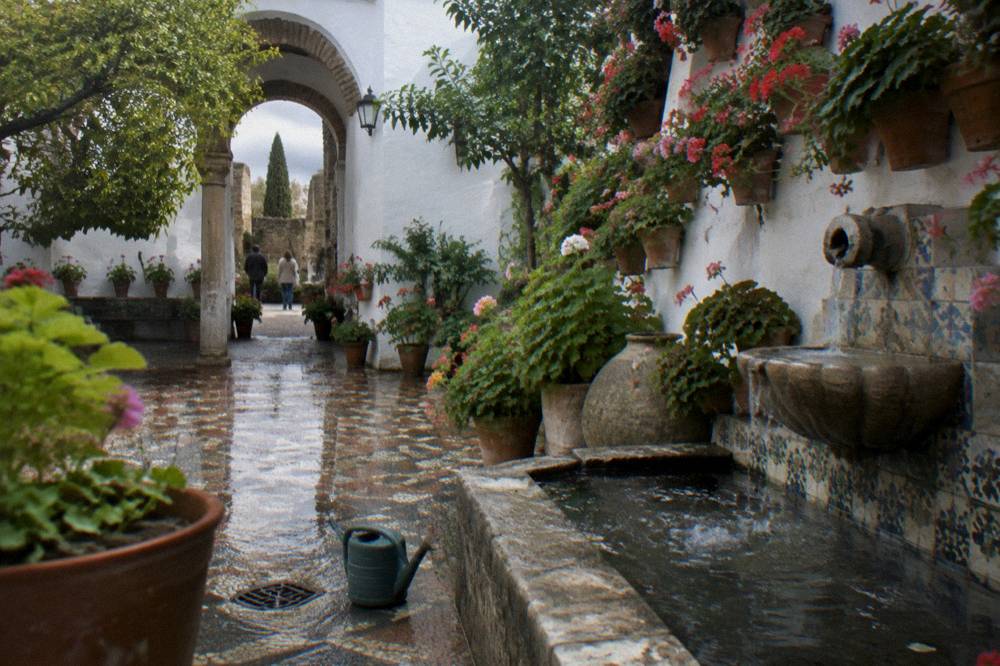
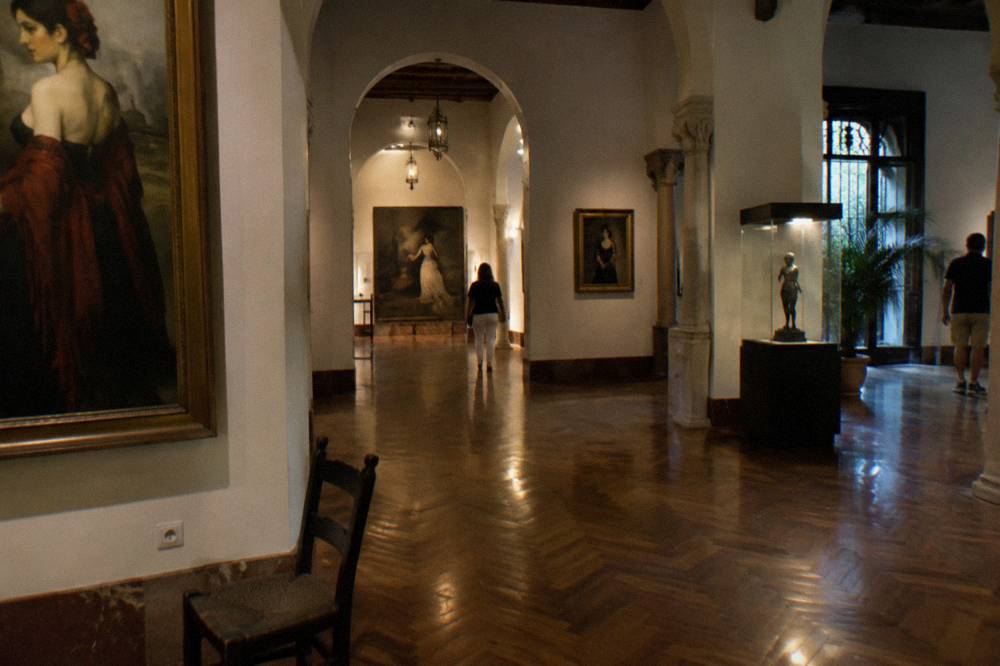
Thursday is the compound day. The Mezquita slot opens the morning, the free outdoor route fills the middle, and from 18:00 to 20:15 in winter the Alcázar, Baños del Alcázar Califal, Julio Romero de Torres, Taurino and Centro Flamenco Fosforito all open free for their last two hours, until capacity. That is the only scheme in the city that is free for every visitor regardless of nationality, which is why it earns its own row in every table on this site.
The calendar adds free festival days that can transform a one day visit. Cruces de Mayo runs 28 April to 2 May 2027, the Festival de los Patios 3 to 16 May 2027, the Feria de Nuestra Señora de la Salud 22 to 29 May 2027 with a free to walk fairground though most casetas are members only, the Noche Blanca del Flamenco on 19 June 2027, Semana Santa 21 to 28 March 2027 and Carnaval en la calle 6 to 14 February 2027, all free to watch in public space. The municipal museums also open free on 28 February, 8 September, 27 September and 17 December, and the Julio Romero de Torres and Taurino museums alone on 18 May.
How Do You Order The Free Stops?
The order that works is: Mezquita free slot at 8:30, Juderia and Calleja de las Flores mid morning, the Roman Bridge and the south bank viewpoint before noon, Plaza de las Tendillas and Plaza de la Corredera in the afternoon, and the Templo Romano and Plaza de Capuchinos as the northern finish. That is one loop, roughly clockwise, with no backtracking and no transport.
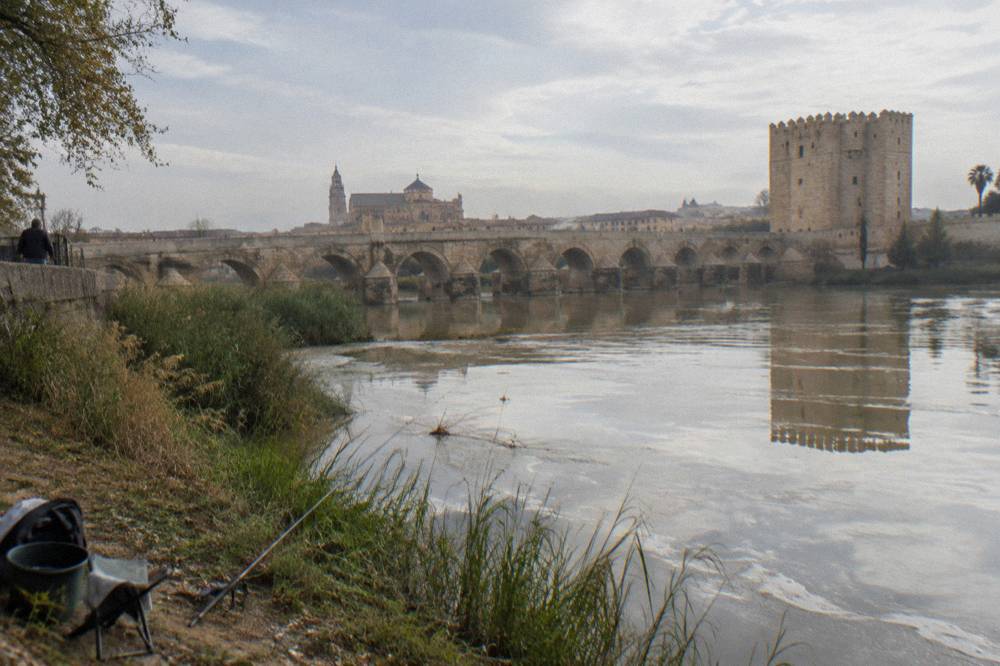
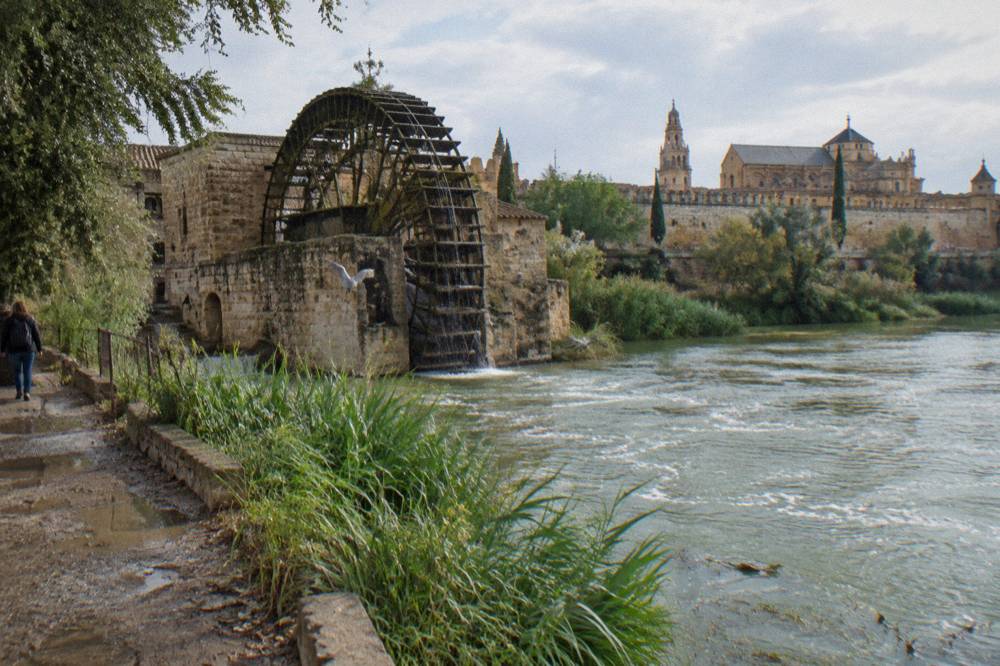
Start at 8:30 at the Mezquita-Catedral, using the free slot before access stops at 9:20. Come out through the Puerta del Puente into the Plaza del Triunfo. Walk the bridge to the far bank, take in the Mirador de la Calahorra, and return on the same bridge: the bridge is free public space at any hour, the tower at its end is the paid part. Before you cross back, the riverbank path, the Paseo de la Ribera and the Guadalquivir banks are free to walk, and the Molino de la Albolafia sits on the water in view.
Mid morning belongs to the Juderia. Enter the old Jewish quarter from the Plaza del Triunfo side, walk to Calleja de las Flores, then to Plaza de Maimonides and Plaza de Judios. The Puerta de Almodóvar on the quarter's eastern edge and the city walls around it are free public space, and the statue of Averroes stands outside the gate. If the Sinagoga is on the list, remember the nationality rule: free for accredited EU citizens, EUR 0.30 for everyone else, Tuesday to Sunday 9:00 to 15:00.
| Stop | Nearest meeting point on the roster | Cost |
|---|---|---|
| Mezquita-Catedral free slot | Puerta del Puente, Plaza del Triunfo | Free, 8:30 to 9:30 |
| Roman Bridge and Mirador de la Calahorra | Puerta del Puente, Plaza del Triunfo | Free public space |
| Juderia, Calleja de las Flores, Plaza de Maimonides | Plaza de las Tendillas | Free public space |
| Plaza de la Corredera | Plaza de la Corredera | Free public space |
| Templo Romano exterior | Roman Temple, Calle Capitulares | Free public space |
| San Basilio patio streets | Puerta de la Luna | Free public space |
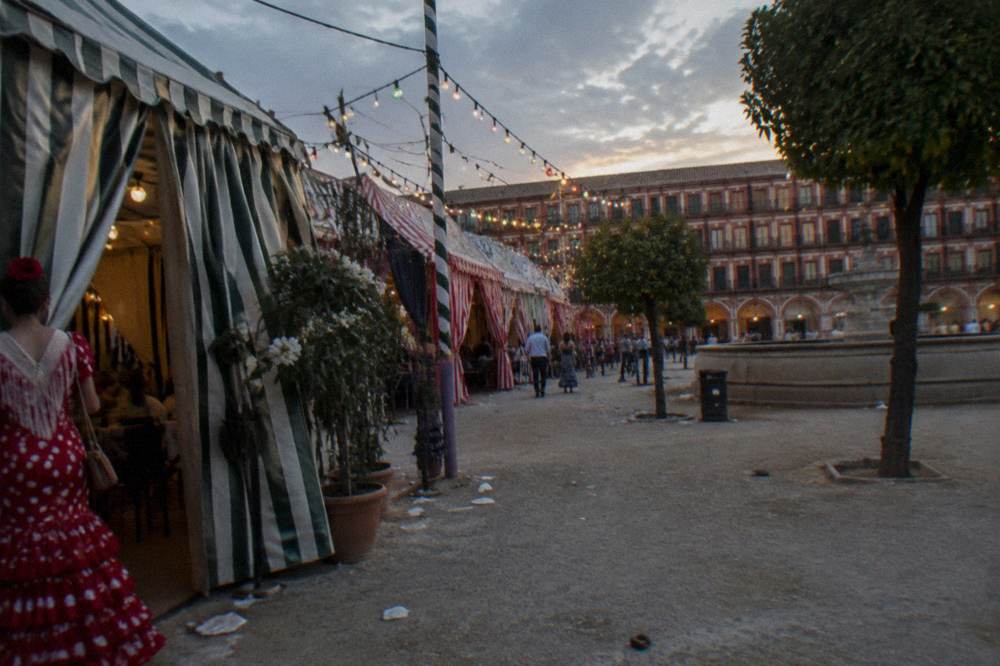
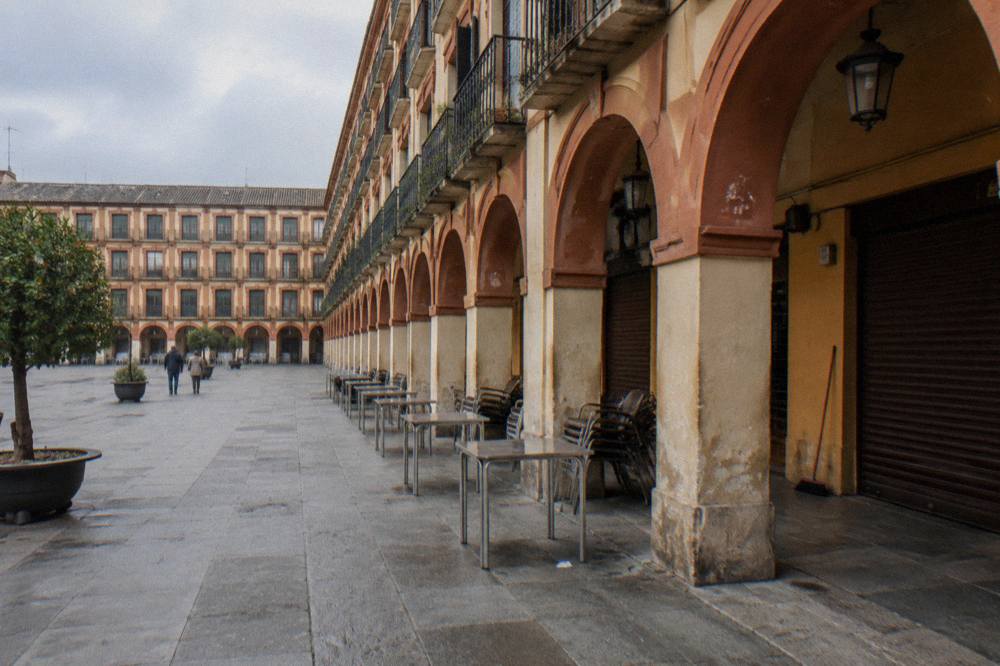
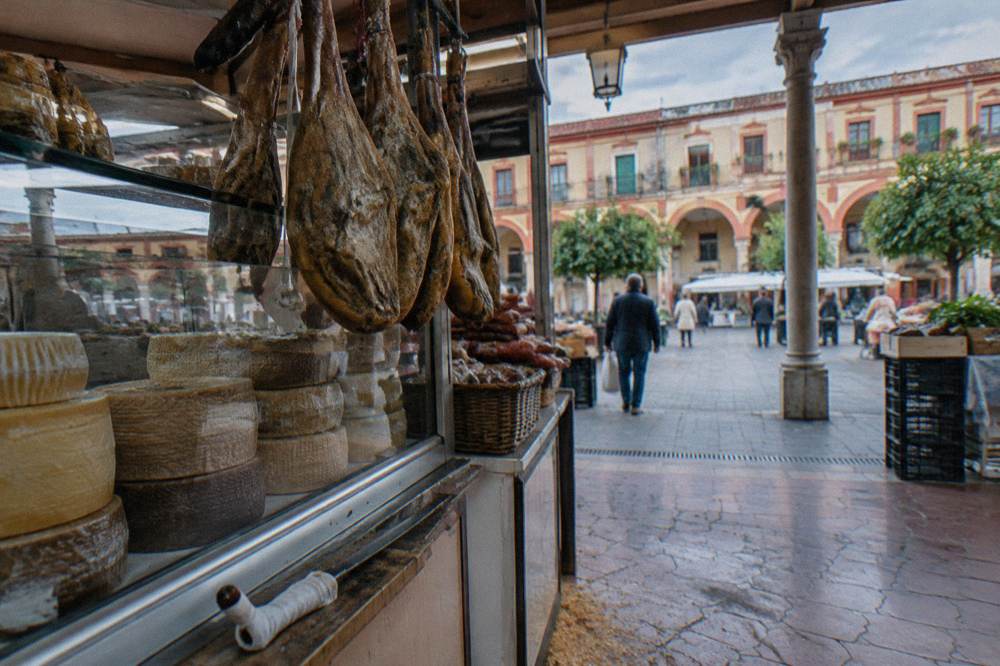
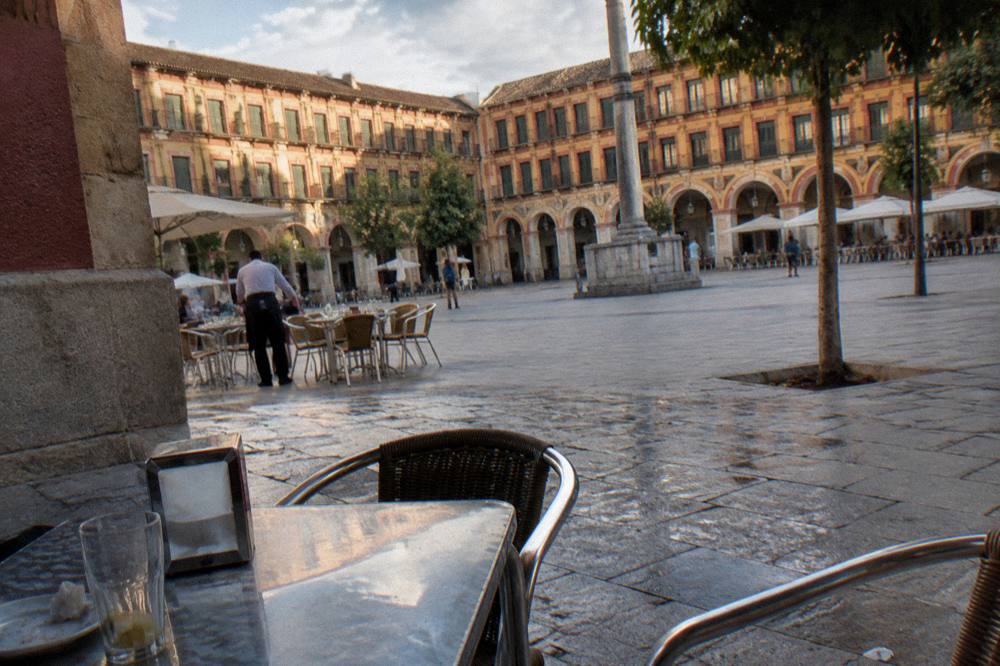
The afternoon loop runs north and west. Plaza de las Tendillas is the city's main square, free and open, and several walks on the roster meet there precisely because it is the natural hinge between the monumental east and the commercial west. From Tendillas, Plaza de la Corredera is a short walk north, a broad arcaded porticoed square unlike anything else in Andalusia, with the Mercado Sánchez Peña at its edge. Plaza del Potro and the Campo Santo de los Mártires sit nearby, and the Cristo de los Faroles in Plaza de Capuchinos makes a quiet evening close.
The Templo Romano columns on Calle Capitulares belong late in the loop because the street connects the Corredera side back toward the Mezquita. The temple's exterior is free public space; guided visits to its interior exist but their current times are not confirmed. The Mausoleo Romano by the Puerta de Gallegos is likewise an exterior only.
Which Free Walking Tours Fit Into One Day?
A pay what you want walk fits a one day plan best either before the Mezquita slot or in the afternoon after it, because no free walk enters the Mezquita and the 8:30 to 9:30 slot excludes groups. English speakers have several GuruWalk options, all free to book with the tip decided at the end, meeting at points already on this route: the Roman Temple, Plaza de las Tendillas, Plaza del Triunfo and Puerta de Almodóvar.
This site lists 26 walks, every one of them pay what you want, and the English language ones cluster around exactly the landmarks in this route. The Best Of Free Tour, 1H45 by Andaloo Tours, 4.94 out of 5 from 3,732 reviews on GuruWalk, meets at the Roman Temple on Calle Capitulares. The 2 Hour Small-Group English Tour by Jose Manuel, 4.88 out of 5 across 354 reviews, meets at the Averroes statue by Puerta de Almodóvar, which sits on this route's Juderia leg. The Jewish Quarter Tour in English by CÓRDOBA, 4.46 out of 5 from 28 reviews, also meets at Puerta de Almodóvar and covers the quarter in the route's mid morning stretch.
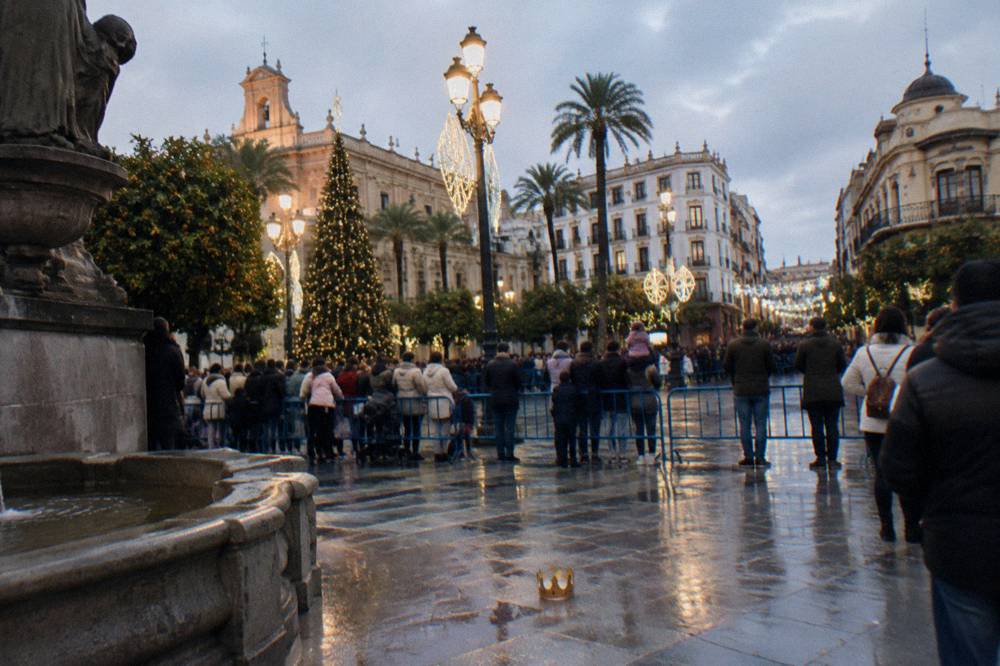
The Heritage Free Tour, 1H30 by WeTour meets at Plaza de las Tendillas, the hinge of the afternoon loop, and runs in English and Spanish, rated 4.77 out of 5 across 752 reviews on GuruWalk. Its 90 minute length is short enough to slot between lunch and the Corredera without breaking the day.
For a morning anchored on the Mezquita itself, the English Heritage Free Tour, 1H30 by Enrique, 4.63 out of 5 from 630 reviews, meets at Plaza del Triunfo beside the Mezquita-Catedral, in English only. Meeting at the monument's own doorstep makes it the natural choice for the hour after the free slot ends at 9:30, before the Juderia walk.
Two cautions keep the day honest. First, no walk on this roster has a verified route beyond its meeting point and neighbourhood, so pick a walk by its platform, its guide, its meeting point and its language, not by any promised landmark list, and never believe a claim that a free walk enters the Mezquita. From 1 January 2027 the rules around guided access inside change with the Cabildo's new official guided visits, and nothing on this site should be read as a promise about what any individual free guide may do inside. Second, the Spanish only walks, including the Medina Azahara walks and all the night walks, are page topics on their own: the night tours on this roster run in Spanish, so no English night walk should be assumed. The free walking tours in Cordoba guide lists all of them with languages and meeting points.
Mistakes That Trip People Up At A One Day Cordoba Plan
The classic mistakes are assuming the Mezquita is simply free, expecting patios outside May, mixing up the three free schemes, planning the Alcázar without the Thursday window, and putting Medina Azahara inside a one day city route. Each one wastes hours or money, and each is avoidable with a single sentence of planning. The list below is drawn from the traps this site's own fact checking surfaced.
The first mistake is treating the Mezquita free slot as a free visit of the whole building. It is a 60 minute window, Monday to Saturday 8:30 to 9:30, for individual visitors only, no groups, and it does not run on days of extraordinary celebration. Sunday is not in it. The bell tower, the night visit and the Fernandine route are separate tickets the slot never covers, and whether the Patio de los Naranjos can be entered without a ticket is unresolved, so no plan should promise it. Anyone telling you the Mezquita is free, full stop, is selling you the first mistake on this list.
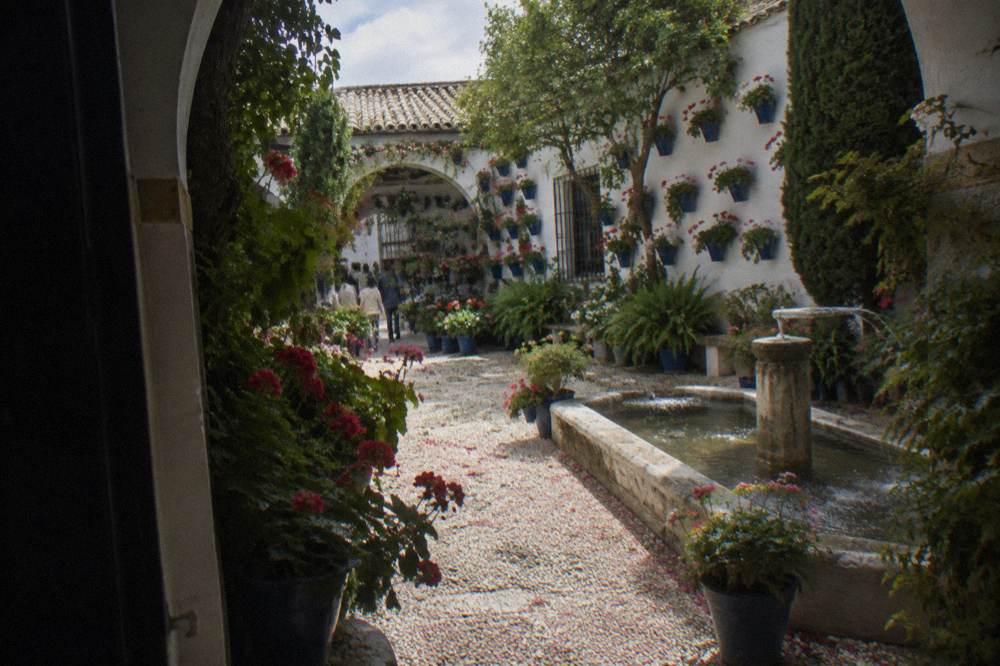
The second is patios. Private patios open free only during the Festival de los Patios, 3 to 16 May 2027, no appointment, hours unpublished for 2027. Outside that fortnight the San Basilio streets are free to walk, Palacio de Viana's patios cost EUR 8.50, and no walk-in patio culture exists. The third is merging the free schemes: the Mezquita slot is a time rule, the Junta museums are a nationality rule for EU citizens, and the municipal Thursday window is the only everyone rule. None of the three substitutes for another.
The fourth is the Alcázar. Its price is contested between sources, so no figure is printed here, and the only guaranteed free entry is the Thursday two hour window, until capacity, with Monday closure on top. A one day plan that lands on a Monday has already lost the municipal museums, Palacio de Viana and Medina Azahara in one stroke. The fifth is Medina Azahara itself: it is a half day commitment outside the city, with a separate entry fee for non-EU citizens, a shuttle whose fare is unresolved, and Spanish only free walks whose site entry is bought separately. Fit it into a second day, not this one.
A quieter sixth is the night layer. The night walks on this roster, including the Free Night Tour of Cordoba and Córdoba Luminosa, run in Spanish only, so an English speaker banking on an evening free walk will be listening to a language they may not share. The paid night visit inside the Mezquita, El Alma de Cordoba at EUR 25, is the other evening option, and it is a separate ticket from everything else on this page. For the full picture of what an evening costs and what it does not, the Cordoba on a budget guide lines up the numbers.
A one day route really does hold together, and the free side of Free Things To Do In Cordoba is dense enough that the paid layer is optional rather than essential. Book the slot, walk the loop, and let the Thursday window or a pay what you want walk fill whatever the calendar leaves open.
Common Questions About One Day In Cordoba
Is one day enough for Cordoba?
One day covers the free highlights: the Mezquita-Catedral free slot from 8:30, the Juderia and Calleja de las Flores, the Roman Bridge and south bank viewpoint, Plaza de la Corredera and Plaza de las Tendillas. What one day cannot absorb is Medina Azahara, a separate half day outside the city, or the patios outside the May festival window.
Can you do Cordoba in one day for free?
Largely yes. Every outdoor stop on the route is free public space, the Mezquita is free in its Monday to Saturday 8:30 to 9:30 slot for individual visitors, and pay what you want walks cost only the tip you choose. The paid parts are optional: EUR 15 Mezquita admission outside the slot, EUR 4.50 Calahorra tower, EUR 8.50 Viana patios.
What is the free hour at the Mezquita-Catedral?
The free visit runs Monday to Saturday from 8:30 to 9:30, with access stopping at 9:20, for individual visitors only. Groups are excluded, and the slot does not run on days of extraordinary celebration. It covers none of the separate tickets: the bell tower at EUR 4, the night visit at EUR 25 or the Fernandine route at EUR 6.
Is the Mezquita free on Sunday?
No. The free slot runs Monday to Saturday only, so Sunday entry is general admission at EUR 15, with the same all day free categories as always: people born or resident in the Diocese of Cordoba, children under 10, Andalucia Junta 65 card holders, over 64% disability plus companion, and ICOMOS members.
What day of the week is best for a free day in Cordoba?
A non-holiday Thursday. The Mezquita free slot opens the morning, and from 18:00 to 20:15 in winter or 12:00 to 14:15 in summer the municipal museums, including the Alcázar de los Reyes Cristianos, open free to everyone for their last two hours, until capacity. Avoid Monday, when municipal museums, Palacio de Viana and Medina Azahara close.
Do free walking tours fit into a one day plan?
Yes, if timed around the Mezquita slot, since no free walk enters the building and the 8:30 to 9:30 slot excludes groups. English walks on GuruWalk meet at points on this route, including the Roman Temple, Plaza del Triunfo, Plaza de las Tendillas and Puerta de Almodóvar, and most run 1 hour 30 minutes to 2 hours, leaving the day intact.