The Mezquita-Catedral: The Free Hour And What It Does Not Cover
The Mezquita-Catedral of Cordoba in Andalusia is a paid monument with one narrow free window: a 60-minute early-morning slot for individual visitors. Here is exactly how that slot works, what it does not include, and how to build a free day around it.
In Short
The Mezquita-Catedral is free only Monday to Saturday from 8:30 to 9:30, with last entry at 9:20, for individual visitors only, and not on days of extraordinary celebration. Outside that slot general admission is EUR 15. The bell tower (EUR 4), the night visit El Alma de Cordoba (EUR 25) and the Fernandine route (EUR 6) are separate tickets the free slot does not cover. Free all day only applies to people born or resident in the Diocese of Cordoba, children under 10 and the other listed categories.
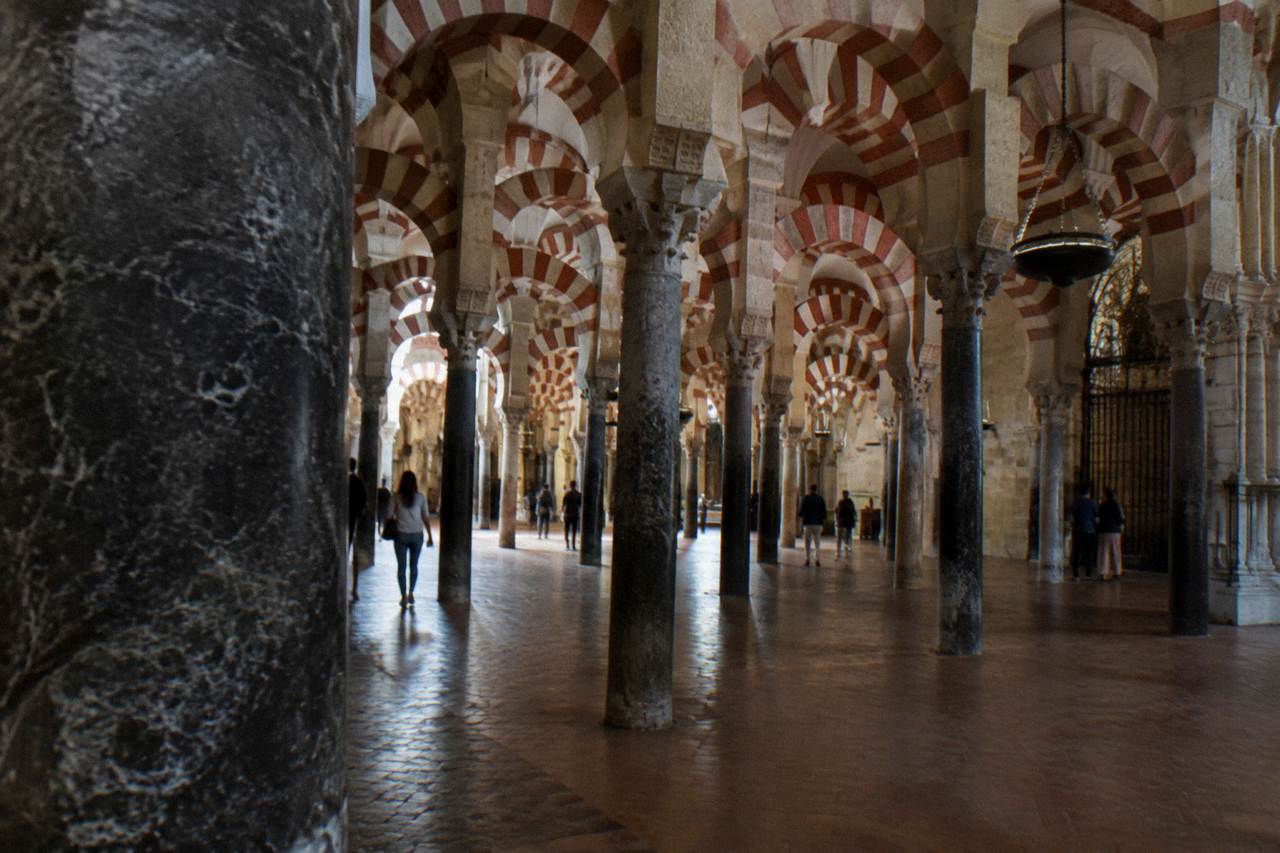
The Mezquita-Catedral de Cordoba, the great mosque-cathedral of Cordoba in Andalusia, is the single most visited monument in the city and the reason most travellers come at all. It is also one of the most misunderstood monuments in Spain when it comes to price, because the answer to "is it free?" is a qualified yes with a strict time limit. This guide sets out the whole picture: the one free hour, the EUR 15 general ticket, the paid extras that trip people up, and how to combine the building with the free streets, squares and riverbank that surround it.
Part of the Free Things To Do In Cordoba guides series, this page covers only what the facts support. Where something is genuinely not settled, like whether the Patio de los Naranjos can be entered without a ticket, this guide says nothing rather than guessing.
Quick Facts
| Question | Answer |
|---|---|
| Is the Mezquita-Catedral free? | Only in a 60-minute slot, Monday to Saturday 8:30 to 9:30, last entry 9:20, individual visitors only, not on days of extraordinary celebration |
| General admission outside the slot | EUR 15 |
| Bell tower | EUR 4, a separate ticket the free slot does not cover |
| Night visit El Alma de Cordoba | EUR 25, separate ticket |
| Fernandine churches route | EUR 6, separate ticket |
| Free all day, for whom | People born or resident in the Diocese of Cordoba, children under 10, Andalucia Junta 65 card holders, over 64% disability with companion, ICOMOS members |
| Sunday | Not part of the free slot |
Is The Mezquita-Catedral Free To Visit?
Yes, but only inside a free 60-minute early-morning slot: Monday to Saturday from 8:30 to 9:30, with last entry at 9:20, for individual visitors only, with no groups admitted, and never on days of extraordinary celebration. Outside that hour it is a paid monument, with general admission at EUR 15, and calling it free without those caveats is the most common mistake visitors make. A free walk meets in this neighbourhood: English Heritage Free Tour, 1H30.
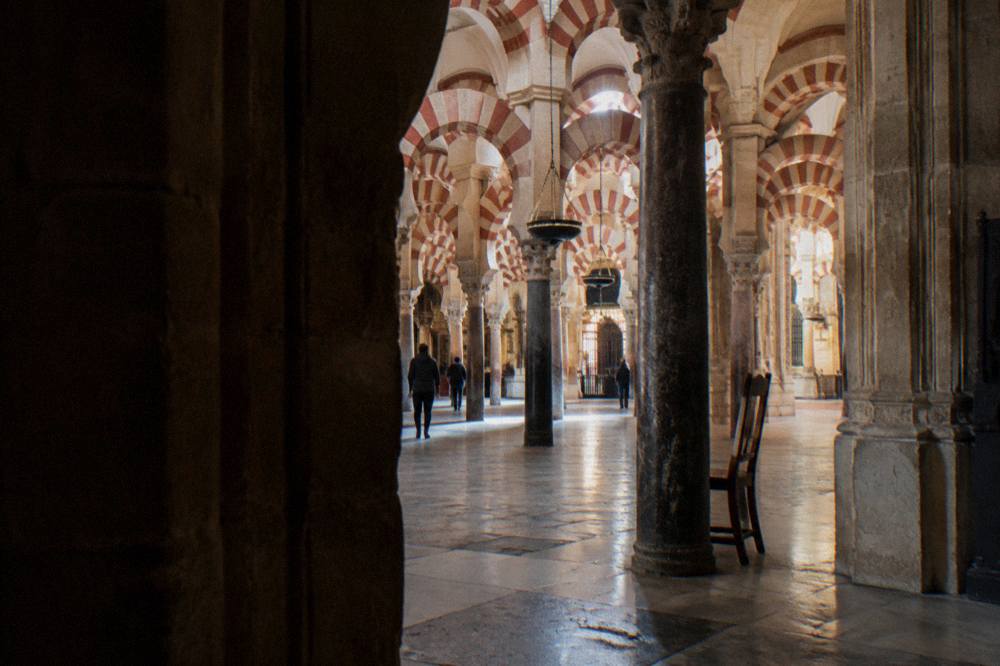
The free visit is what the Cabildo de la Catedral, the cathedral chapter that runs the building, prints on its own ticket page: a free early window before the paid day begins. It is a real free visit of the interior, not a viewing platform, but it is bounded on every side. The hour runs 8:30 to 9:30 and access stops at 9:20, so late arrival eats the visit directly. Groups are excluded by name: if you are travelling with an organised group, even a small one, this window is not your route in. And the Cabildo reserves days of extraordinary celebration, when the slot is suspended, which is why the chapter's own advice to check its schedule tool before an early start is worth following; hours can change for special events.
Outside the window, the price structure is straightforward. General admission is EUR 15. A separate bell tower ticket costs EUR 4. The night visit, called El Alma de Cordoba, costs EUR 25 and runs at 20:00. The Fernandine churches route costs EUR 6. None of these three is covered by the free slot, and none of them is covered by the EUR 15 general ticket either: they are add-ons sold separately, so a visitor who wants the tower and the night visit on top of a paid daytime entry is buying multiple products from the same desk.
There is a second, narrower free rule that applies all day rather than in one hour, and it is easy to confuse with the morning slot. Entry is free at any time for people born or resident in the Diocese of Cordoba, for children under 10, for holders of the Andalucia Junta 65 card, for people with over 64% disability accompanied by a companion, and for ICOMOS members. That is a status rule, not a time rule. Most readers of this site, travelling from the UK, the US or elsewhere, will not fall into any of those categories, so the realistic free option is the 8:30 slot and nothing else.
Two things this guide deliberately does not claim, because they are not settled on any official page. Whether the Capilla Mayor and the choir are open during the free hour is not stated anywhere the Cabildo publishes, so no account of the free slot should promise them. And whether the Patio de los Naranjos, the orange tree courtyard, can be entered without a ticket is likewise unresolved: it is named here only as a place, with no entry claim attached. Anyone telling you otherwise is filling a gap with a guess.
For context on how the paid side is changing: from 1 January 2027 the Cabildo starts optional official guided visits, sold on its own website and at the San Eulogio desk, priced above the normal ticket, with no figure published yet. From the same date every guide accredited by the Junta de Andalucia may show the interior. That change matters for the free-walking-tour scene this site covers, and it is discussed in whether free tour guides can enter the Mezquita.
What Is Free Around The Mezquita-Catedral?
Everything in the open space around the Mezquita-Catedral is free at all hours: the Puerta del Puente and the Triunfo de San Rafael at its doorstep, the Roman Bridge, the south-bank viewpoint, the Calleja de las Flores, the lanes of the Juderia, and the riverbank paths along the Guadalquivir. These are streets, squares and open ground with no gate, no ticket and no closing time, and they carry most of the visual drama of a Cordoba visit.
Start at the threshold. The Puerta del Puente, the Renaissance gate that once funnelled bridge traffic into the city, and the Triunfo de San Rafael beside it sit directly outside the Mezquita's southern flank, in open public space. From there the Roman Bridge runs across the Guadalquivir to the far bank. The bridge itself is free, as is the Mirador de la Calahorra, the south-bank viewpoint that frames the city's skyline, the bridge, and the Mezquita's mass behind it. This is the classic postcard angle, and it costs nothing at any hour of the day or night.
What is not free on the far side is the Torre de la Calahorra itself, which houses the Museo Vivo de Al-Andalus and charges EUR 4.50 to go inside. The distinction matters constantly in Cordoba: the bridge and the viewpoint are public space, the tower on the end of the bridge is a paid museum. The same pattern, free shell and paid core, repeats at the Mezquita with its bell tower, and it is the single most useful mental model for the whole city. This site breaks the bridge and its viewpoints down in detail in the Roman Bridge and Calahorra viewpoint guide. A free walk meets in this neighbourhood: English Heritage Free Tour, 1H30.
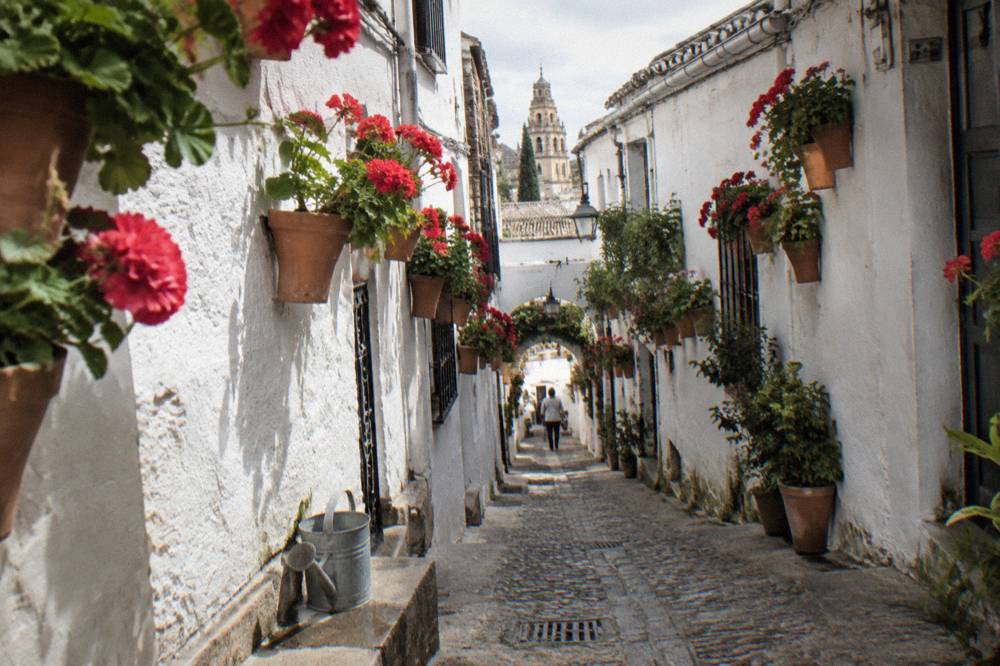
Back inside the old town, the Juderia, the former Jewish quarter, is a mesh of lanes you simply walk: no ticket, no gate. The Calleja de las Flores, the narrow flower-hung alley that opens off it, is the most photographed street in Cordoba and is likewise open public space. Around the corner, Plaza de Maimonides and Plaza de Judios, the Sinagoga's square, are free to stand in, though the Sinagoga itself follows a different rule: it belongs to the Junta de Andalucia museum group, free every open day only for accredited EU citizens, with everyone else paying EUR 0.30. That nationality rule, and the museums it applies to, are laid out in full in Cordoba's free museums explained.
The free ring around the Mezquita extends further than most visitors walk. West and north lie Plaza de las Tendillas, the city's main square, and Plaza de la Corredera, the great arcaded rectangle, both open public space. The Templo Romano's columns stand in the open on Calle Capitulares, free to view from the street, and a cluster of free walking tours use that spot as a meeting point, which is covered later in this guide. If you want the full map of what costs nothing, the master list of free things to do in Cordoba covers every square, garden and riverside walk the facts support.
There is a seasonal layer on top of all this. During the Festival de los Patios, from 3 to 16 May 2027, private courtyard owners across the San Basilio and Alcazar Viejo districts open their patios to visitors for free, with no appointment, as the festival's own site at patios.cordoba.es confirms. Outside those two weeks the private patios close again, and the year-round courtyard option, Palacio de Viana, is paid, at EUR 8.50 for the patios. Free has a calendar in Cordoba, and the patios are its biggest entry.
What Costs Money At The Mezquita-Catedral?
Four separate tickets sit behind the Mezquita-Catedral's name: general admission at EUR 15, the bell tower at EUR 4, the night visit El Alma de Cordoba at EUR 25, and the Fernandine churches route at EUR 6. None of them includes any other, and the free 8:30 slot covers none of them either. A visitor who assumes one ticket buys the building plus the tower is the visitor most likely to be requeued at a second desk. A free walk meets close to this area, English Heritage Free Tour, 1H30.

The core ticket is general admission, EUR 15, which buys the interior outside the free hour. Sample hours published by the Cabildo for a midweek November day ran 10:00 to 18:00 with last entry 30 minutes before closing, but the chapter is explicit that hours move for special events, so the schedule on its own pages is the only reliable source. The free 8:30 to 9:30 slot exists precisely because the paid day starts after it: arrive inside the window and the same interior costs nothing, arrive an hour later and it costs EUR 15.
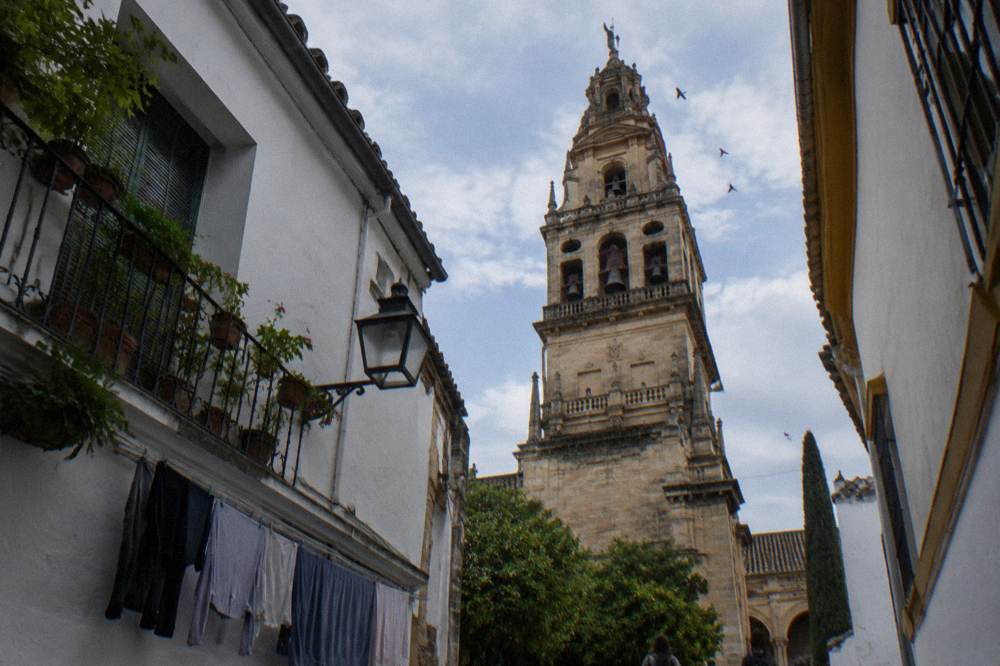
The bell tower, the former minaret enclosed by the cathedral's baroque shell, is a EUR 4 ticket sold separately from everything else. The free slot does not include it, and neither does general admission. The night visit, El Alma de Cordoba, is a EUR 25 evening experience at 20:00, again a standalone product. And the Fernandine route, the ticket that links the medieval churches built after the Christian conquest, costs EUR 6. No separate entry price is published for the individual Fernandine churches: the EUR 6 route ticket is the one confirmed cost, and walk-in entry at each church is not published either, so this guide makes no claim about it.
| Ticket | Price | What it buys | Covered by the free 8:30 slot? |
|---|---|---|---|
| Free early slot | EUR 0 | 60 minutes in the interior, 8:30 to 9:30, individuals only | This is the free product |
| General admission | EUR 15 | The interior during paid opening hours | Not needed inside the slot |
| Bell tower | EUR 4 | The tower climb | No |
| El Alma de Cordoba | EUR 25 | The 20:00 night visit | No |
| Fernandine route | EUR 6 | The route ticket linking the Fernandine churches | No |
From 1 January 2027 a fifth product joins the list: the Cabildo's optional official guided visits, announced in its press release of 19 June 2026, sold on its website and at the San Eulogio desk at an increase over the normal ticket. No price has been published, so none is printed here. The same announcement opens the interior to every guide accredited by the Junta de Andalucia, which changes what walking tours can promise from that date onward. The Cabildo notes that only 7% of current visitors arrive with a guide, a figure that gives a sense of how much room this change has to move.
When Can You Visit The Mezquita-Catedral For Free?
The free visit runs Monday to Saturday, from 8:30 to 9:30, with last entry at 9:20, for individual visitors only, and it is suspended on days of extraordinary celebration. Sunday is not in the scheme at all, and neither is any other part of the day: the window is 60 minutes long and it is the whole offer. The mechanics are simple but unforgiving, because everything about the slot is early, short and conditional.
Monday through Saturday is the operating range. That phrasing matters: it is not "every day", and it is not "weekdays" in the loose sense people use for workdays, it is a specific six-day range that excludes Sunday entirely. Visitors who plan a Sunday around the free slot arrive to a paid-only day. The question comes up often enough that this site treats it on its own page, whether the Mezquita is free on Sundays, and the short answer there is no. One of the free walks starts in this part of the city: English Heritage Free Tour, 1H30.
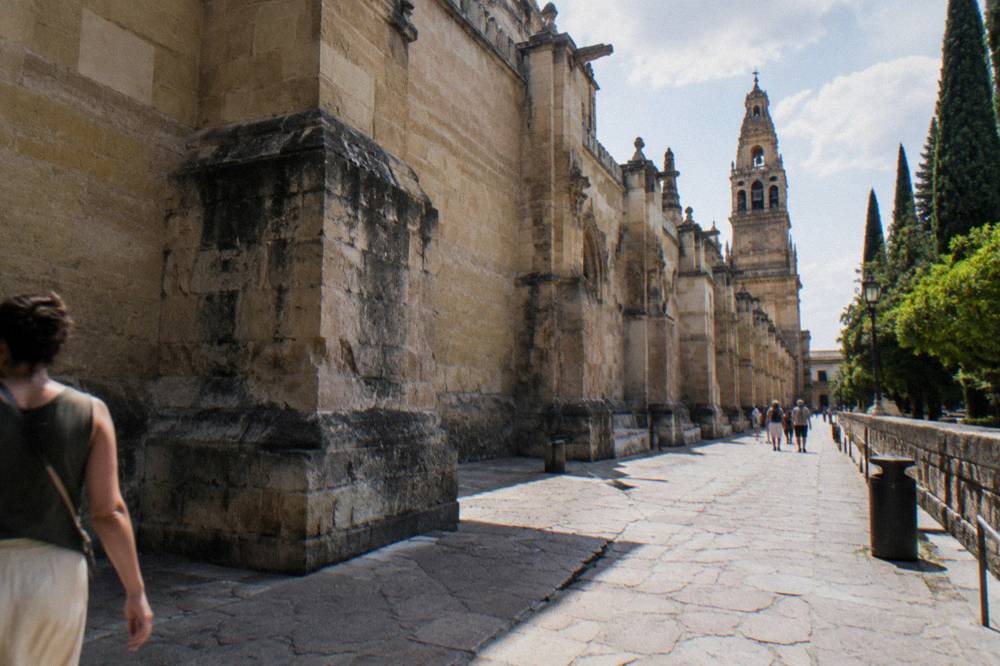
The second condition is the individual rule. Groups are excluded from the free window by the Cabildo's own wording, so the slot belongs to people arriving on their own or in informal family parties, not to anything organised. The third condition is the extraordinary-celebration carve-out: on named religious and civic days the chapter suspends the free visit, and because those days are announced on the Cabildo's schedule rather than on a fixed public list, the practical habit is to check the chapter's own schedule before committing to an early alarm. That advice is stated here without a date stamp because the schedule genuinely moves.
A question the Cabildo's pages do not answer is whether the free slot requires a ticket collected at a desk. That is unresolved, and this guide will not assert either answer. What can be said is bounded by the published rule: the window exists, it is 60 minutes, entry closes at 9:20, individuals only. If you want the deeper breakdown of exactly who never pays at all, the status-based free list, that is covered in who does not pay at the Mezquita, and the timing mechanics have their own treatment in what time the Mezquita is free.
How Do You Combine The Mezquita-Catedral With Other Free Sights?
The workable pattern is to place the 8:30 slot first, then spend the rest of the day entirely in free public space: the Juderia lanes and Calleja de las Flores immediately after the visit, the Roman Bridge and the south-bank viewpoint next, and the free squares, Templo Romano and gardens further out. Everything in that chain is open ground with no ticket, so one early hour at the Mezquita anchors a full free day. A free walk meets close to this area, English Heritage Free Tour, 1H30.
The logic of the sequence is geography as much as price. The free slot ends at 9:30, which drops you out of the building at the exact moment the Juderia is at its most walkable, two minutes from the door. The Calleja de las Flores, Plaza de Maimonides and Plaza de Judios sit in that first cluster, then the lane network carries you west to the Puerta de Almodovar and the old walls, and back down to the river at the Puerta del Puente. The Roman Bridge crossing and the Mirador de la Calahorra viewpoint on the far bank complete the morning without a single gate.
| Free sight near the Mezquita | Distance from the door | Why it fits the free morning |
|---|---|---|
| Juderia lanes and Calleja de las Flores | A few minutes on foot | Open public space, no ticket, directly north of the exit |
| Puerta del Puente and Triunfo de San Rafael | At the southern threshold | Open public space at the bridge end |
| Roman Bridge and riverbank | Starts at the threshold | Free crossing to the south bank |
| Mirador de la Calahorra viewpoint | Far end of the bridge | The classic skyline view, free |
| Templo Romano columns, Calle Capitulares | Inside the old town | Exterior visible free from the street |
| Plaza de la Corredera and Plaza de las Tendillas | Old town core | Open public squares |
The afternoon options branch by interest. The municipal museums, the Alcazar de los Reyes Cristianos, the Baños del Alcázar Califal, the Julio Romero de Torres museum, the Taurino and the Centro Flamenco Fosforito, open free to everyone on non-holiday Thursdays for the last two hours of access, 18:00 to 20:15 in winter and 12:00 to 14:15 in summer, until capacity, with extra free days on 28 February, 8 September, 27 September, 17 December and the Noche del Patrimonio. The city hall's own culture pages at cordoba.es carry the municipal museum schedule. That Thursday window is a different regime from both the Mezquita slot and the Junta nationality rule, and the three are never merged on this site.
If the day is a Thursday, the strongest free itinerary in Cordoba becomes possible: the 8:30 Mezquita slot, a free-walked morning through the Juderia and across the bridge, the free gardens and riverside through the afternoon, and the municipal museum window in the evening. The Alcazar sits closest to the Mezquita, its walls a short walk south, and its gardens follow the same Thursday window as the museums inside, though its normal entry price is contested between sources and this site prints no figure for it, only "a small fee outside the free windows". The full picture, including the paid parts never to confuse with the free ones, is in the Alcazar de los Reyes Cristianos guide.
Which Free Walking Tours Meet Near The Mezquita-Catedral?
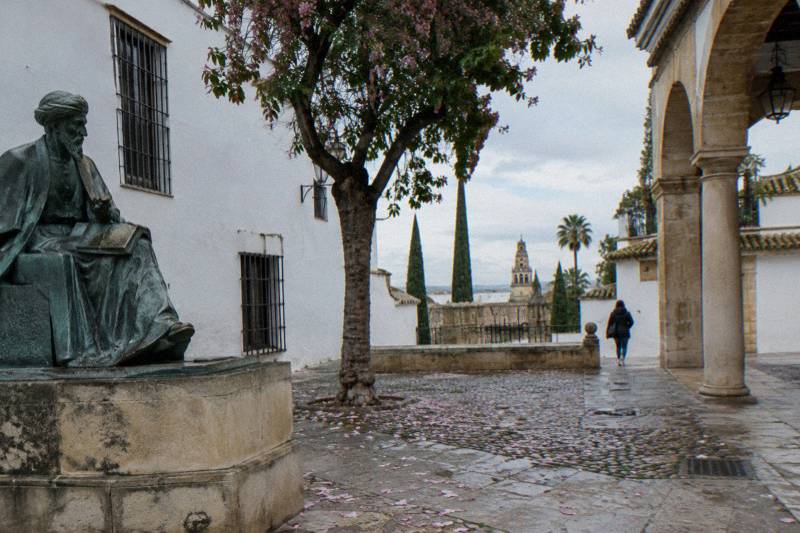
Several pay-what-you-want walking tours, all listed on GuruWalk, meet within a short walk of the Mezquita-Catedral. The English Heritage Free Tour gathers at Plaza del Triunfo, the square right at the Mezquita's door, while others set off from Plaza de las Tendillas, the Roman Temple on Calle Capitulares, the Statue of Averroes at the Puerta de Almodovar, and the Puerta del Puente, each free to book with guides paid by tip. Where a walk's own GuruWalk or freetour.com page prints an itinerary, that route is given as the operator publishes it and may change; this site does not promise any stop, and introduces each walk by platform, guide, meeting point and neighbourhood only.
The closest meeting point to the building itself is Plaza del Triunfo, where the English Heritage Free Tour, 1H30, led by guide Enrique on GuruWalk, rated 4.63 out of 5 across 630 reviews, begins. Because the square is the Mezquita's threshold, it pairs naturally with a morning built around the free 8:30 slot: the tour can follow the slot rather than compete with it. The tour runs in English only. This is the walk this site features for the Mezquita, and you can read more on the English Heritage Free Tour page.
The heaviest-reviewed English walk in the old town category is the Best Of Free Tour, 1H45, run by Andaloo Tours on GuruWalk, 4.94 out of 5 across 3,732 reviews, in English and Spanish, meeting at the Roman Temple on Calle Capitulares. The Templo Romano columns are themselves a free street sight, so the meeting point doubles as a stop on any free itinerary. In the same old town neighbourhood, WeTour's Heritage Free Tour, 1H30, 4.77 out of 5 from 752 reviews, bilingual, meets at Plaza de las Tendillas, the city's central square.
| Walk | Platform and guide | Meeting point | Language | Reviews |
|---|---|---|---|---|
| English Heritage Free Tour, 1H30 | GuruWalk, Enrique | Plaza del Triunfo, Mezquita-Catedral | English | 4.63 out of 5, 630 reviews |
| Best Of Free Tour, 1H45 | GuruWalk, Andaloo Tours | Roman Temple, Calle Capitulares | English, Spanish | 4.94 out of 5, 3,732 reviews |
| Heritage Free Tour, 1H30 | GuruWalk, WeTour | Plaza de las Tendillas | English, Spanish | 4.77 out of 5, 752 reviews |
| 2 Hour Small-Group English Tour | GuruWalk, Jose Manuel | Statue of Averroes, Puerta de Almodovar | English | 4.88 out of 5, 354 reviews |
| World Heritage Free Tour, 1H30 | GuruWalk, Cordoba Mas | Plaza de las Tendillas | English, Spanish | 4.44 out of 5, 25 reviews |
The World Heritage Free Tour, 1H30, run by Cordoba Mas on GuruWalk, 4.44 out of 5 across 25 reviews, also meets at Plaza de las Tendillas and runs in both English and Spanish. The 2 Hour Small-Group English Tour by Jose Manuel, 4.88 out of 5 from 354 reviews, meets at the Statue of Averroes by the Puerta de Almodovar, at the Juderia's western edge, and runs in English. How the pay-what-you-want model works in practice, and what a fair tip looks like, is covered in how free walking tours work in Cordoba.
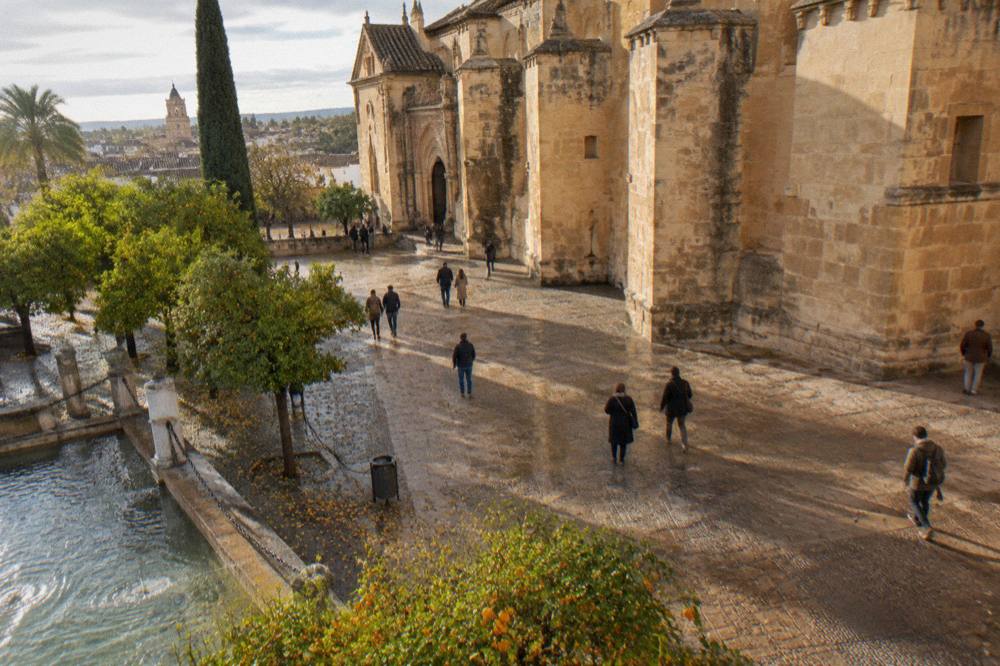
One boundary worth stating plainly, because the 2027 accreditation change will raise the question: no free walk on this site's roster is described on GuruWalk or freetour.com as entering, visiting or including the Mezquita. What a free guide may do inside the building from 1 January 2027 is a matter for the Cabildo's new rules, not for a walking tour's sales copy, and until the change takes effect this site promises nothing about it. The night walks on this site all run in Spanish only; no English night walk appears among them.
The Spanish-language options meeting in the same streets are page-only listings on this site: Altournative's complete 2-hour tour at the Roman Temple, Sergio's Max 8 People tour at Plaza de la Corredera, and the Secrets tour by Cordoba A Pie at the Roman Temple. Also page-only, and running in English as well as Spanish, are the freetour.com listings: the Historic Center Free Tour meeting at Puerta del Puente, Plaza del Triunfo, 8.9 out of 10 across 1,849 reviews shown on its freetour.com listing, and the Monumental Free Tour from Plaza de las Tendillas, 8.5 out of 10 from 542 reviews. If Spanish is not a barrier, they widen the choice considerably.
Mistakes That Trip People Up At The Mezquita-Catedral
The mistakes that cost money here are predictable: treating Sunday as a free day, assuming the free hour includes the tower, expecting the Capilla Mayor or the Patio de los Naranjos in the slot, mixing the Mezquita's rules with the museums' free regimes, and counting on private patios outside the May festival. Each one is a real trap documented in the facts, and each has a one-line correction. A free walk meets in this neighbourhood: English Heritage Free Tour, 1H30.
Sunday first. The free slot runs Monday to Saturday, so a Sunday plan built around 8:30 ends at the EUR 15 desk. Second, the extras: the bell tower at EUR 4, the night visit at EUR 25 and the Fernandine route at EUR 6 are separate tickets no matter how you enter, free slot or paid. A visitor who budgets "free Mezquita plus tower" has budgeted EUR 4. Third, the unresolved interior questions: whether the Capilla Mayor and Coro are open in the free hour, and whether the Patio de los Naranjos needs a ticket, are not answered on the Cabildo's pages, so no plan should depend on either.
Fourth, regime-mixing. The Mezquita's early slot, the municipal museums' Thursday window, and the Junta museums' EU-citizens-free rule are three separate systems with three separate conditions. The Thursday window will not get you into the Mezquita; the Mezquita slot will not get you into Medina Azahara, which is free only for accredited EU citizens, with everyone else paying EUR 1.50. Fifth, the patios: private patios are free only during the Festival de los Patios, 3 to 16 May 2027, and Palacio de Viana's courtyards are paid, EUR 8.50, even in festival season, though its Patio de la Cancela is a free out-of-competition patio during those two weeks. And a small one that matters at the bridge: the Roman Bridge and the viewpoint are free, the Torre de la Calahorra inside is EUR 4.50.
This site is Free Things To Do In Cordoba, and the same rule applies on every page, including this one: nothing is called free unless it truly costs nothing, and a condition always travels with its free label.
Common Questions About The Mezquita-Catedral
Is the Mezquita-Catedral free to visit?
Only inside a 60-minute slot, Monday to Saturday from 8:30 to 9:30, last entry 9:20, for individual visitors only and not on days of extraordinary celebration. Outside that window general admission is EUR 15. Free all-day entry exists only for listed categories such as people born or resident in the Diocese of Cordoba and children under 10.
Is the Mezquita free on Sundays?
No. The free visit runs Monday to Saturday only, from 8:30 to 9:30. Sunday is a paid day like any other outside the slot, at EUR 15 general admission. There is no Sunday free scheme for the building.
Does the free hour include the bell tower?
No. The bell tower is a separate EUR 4 ticket, and so are the El Alma de Cordoba night visit at EUR 25 and the Fernandine route at EUR 6. The free slot covers none of the three, and general admission does not include them either.
Do you need a ticket for the free 8:30 slot?
That is not settled on the Cabildo's own pages, so this site prints no rule either way. What is certain is the window itself: 8:30 to 9:30, last entry 9:20, individual visitors only, suspended on days of extraordinary celebration. Check the Cabildo's own schedule before an early start.
Can free walking tours take you inside the Mezquita?
No walk on this site's roster is listed as entering the Mezquita, and this site makes no such claim. From 1 January 2027 every guide accredited by the Junta de Andalucia may show the interior, and the Cabildo starts optional paid guided visits, but what any individual free tour does inside is not promised here.
What is free to see around the Mezquita-Catedral?
The Puerta del Puente and Triunfo de San Rafael at its door, the Roman Bridge and the south-bank viewpoint, the Calleja de las Flores and the Juderia lanes, the Templo Romano columns from the street, and the city's open squares. All are public space with no ticket or closing time.